
2026 Top Metal Cutting Board Types for Buyers

Choosing a Metal Cutting Board in 2026 means comparing more than appearance. Stainless steel, aluminum, and titanium options vary in weight, rigidity, finish, and price. The right choice depends on how you cook and what you plan to cut. A smooth steel surface wipes clean easily, while a heavier board can stay steadier on a counter. Check the underside for nonslip feet, and inspect corners and seams where food residue may collect. Small details matter.

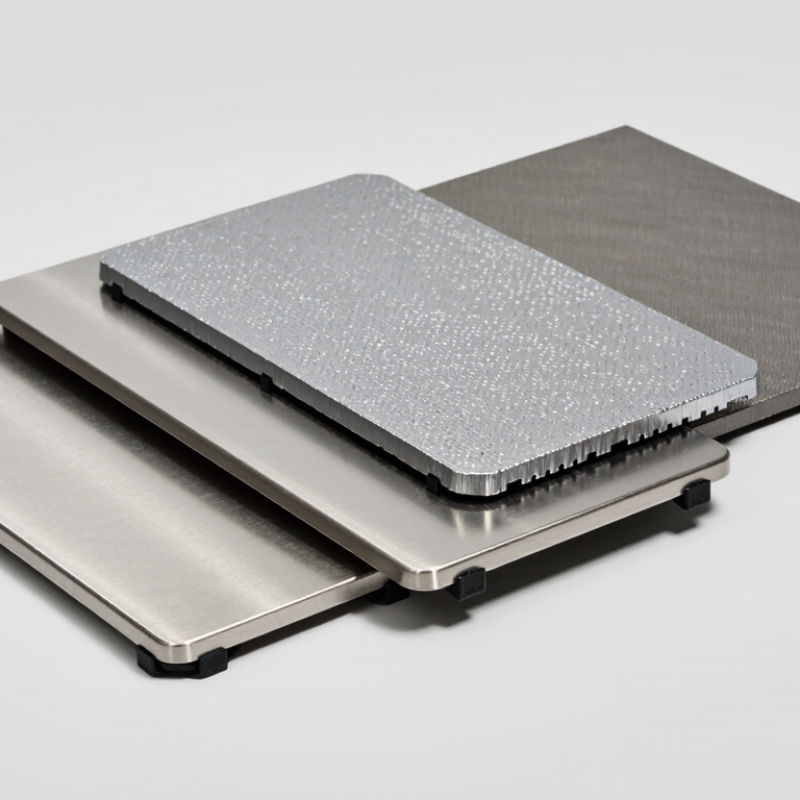
Board construction also affects daily use. Solid metal boards feel sturdy, but they can be noisy and harsh on knife edges. Layered designs may reduce weight or add grip, though their materials and joints deserve careful inspection. Textured surfaces can help ingredients stay in place, but deep grooves may take longer to clean. Claims about special hygiene properties should be checked against clear product specifications, not just marketing language. No board is perfect. Metal can suit raw ingredients, serving, or specific prep tasks, yet many cooks may prefer wood or plastic for frequent knife work. That trade-off is easy to overlook. Before buying, compare dimensions, thickness, cleaning instructions, food-contact information, and the maker’s warranty. A quick check of those details can prevent an attractive board from becoming an awkward fit in your kitchen.
2026 Top Metal Cutting Board Types for Buyers

What Defines a Metal Cutting Board and Its Main Uses

A metal cutting board is a rigid food-preparation surface made from metal, commonly stainless steel, titanium, or aluminum. Its defining feature is a nonporous face that does not absorb liquid like unfinished wood can. A smooth, food-contact-rated surface is easier to wipe clean after handling raw ingredients. Check the material and finish. Not every metal sheet is suitable for kitchen use.

These boards can be useful for portioning fish, trimming meat, or preparing ingredients with strong odors, since they resist staining and lingering smells. Some cooks also use them as a cool surface for pastry or chocolate work. Keep the board steady on a dry counter; a thin towel underneath can reduce slipping. Metal is hard. That matters. A knife may dull faster against a rigid surface than against wood or plastic, and the board can sound sharp under chopping. I would not choose one as the only board in a busy kitchen without testing its feel first. A scratched or poorly finished surface also deserves attention, because deep marks are harder to clean well.
2026 Top Metal Cutting Board Types for Buyers

What Defines a Metal Cutting Board and Its Main Uses

Approximate metal density is a useful material reference, but it does not determine a finished board’s weight by itself; dimensions and thickness matter too. Stainless steel is a common choice for durable, corrosion-resistant food-contact surfaces. Aluminum is lighter, while titanium is also lightweight relative to steel. Copper is shown for comparison, not as a typical cutting-board recommendation. Metal boards can be hard on knife edges, so use a suitable cutting surface for regular chopping.

Which Metal Types Are Used in Cutting Boards

Metal cutting boards are usually made from stainless steel, titanium, or—in less common designs—aluminum. Stainless steel remains the most practical category to compare. The World Stainless Association’s Stainless Steel in Figures 2024 reports global stainless-steel production of 58.4 million tonnes in 2023; this indicates broad industrial availability, not cutting-board sales. Grade matters. Type 304, commonly associated with roughly 18% chromium and 8% nickel, offers strong everyday corrosion resistance. Type 316 adds molybdenum, which can improve resistance to salt and some chemical exposure. Type 430 contains chromium but little or no nickel, and is often magnetic. Composition varies by specification, so check the supplier’s grade documentation.

Titanium is lighter than steel and resists corrosion, but its higher cost and firm surface may not suit every cook or knife. Aluminum is light, yet softer and more prone to scratching and denting; it is less common in durable board designs. Hard surfaces can accelerate edge wear. That trade-off is easy to overlook. Ask for the exact alloy, thickness, surface finish, and care instructions—not merely “food-grade metal.” A brushed surface may hide marks, but it can also retain residue if cleaning is rushed. Metal is not automatically more hygienic; cleaning and drying still matter. A little skepticism helps.

How Metal Cutting Boards Differ by Surface and Design

2026 Top Metal Cutting Board Types for Buyers

How Metal Cutting Boards Differ by Surface and Design

Metal cutting boards differ in finish, texture, and construction. Stainless steel often has a smooth or brushed surface that wipes clean easily, but food can slide across it. Etched or patterned finishes add grip, though deep grooves may hold residue. Some boards use a thin metal sheet, while others have a thicker, more rigid build. The feel changes noticeably.

Design details affect everyday handling. A juice groove can catch liquid from sliced tomatoes, while raised edges help keep scraps on the board. Non-slip feet reduce movement on a polished counter. Yet metal is hard on knife edges and can sound sharp during chopping. This trade-off is easy to overlook. Small details matter. A metal board may suit serving or light prep better than constant chopping.

Tips: Check that the board sits flat and its feet grip your counter. Run a hand over the surface; avoid rough spots that could trap food. If you chop often, consider keeping a softer board nearby. Feel the difference.

How to Match a Metal Board to Different Kitchen Tasks

Match the metal surface to the job, not just the kitchen’s look. Stainless steel is practical for portioning fish or trimming raw poultry because its smooth face is easy to wash and sanitize. CDC estimates that 48 million people in the United States get sick from foodborne illness each year, underscoring the value of careful cleaning and separation. Keep a dedicated board for raw proteins, and follow its care instructions after use. A metal surface does not prevent cross-contamination by itself.

For daily chopping, consider the trade-off: hard metal can be rough on knife edges, so use a wood or plastic board for repeated dicing. Aluminum is lighter to move, but may scratch or dent with heavy use. Titanium boards are also sold for kitchen work, yet cost and knife feel deserve a hands-on check before buying. Test the board with a firm carrot cut, then see whether it shifts on the counter. Small details matter. I would not treat metal as a universal answer; a slick surface can feel awkward when mincing herbs, and that is worth admitting. CDC’s estimate comes from its report, “Estimates of Foodborne Illness in the United States.”

What Buyers Should Compare Before Choosing a Board in 2026

2026 Top Metal Cutting Board Types for Buyers

When comparing metal boards in 2026, look beyond the material name. Stainless steel is widely available and resists rust when properly maintained, but its hard surface can dull knives and sound sharp under the blade. Titanium boards are often lighter, though their price and surface feel vary. Aluminum is lighter still, but may dent or scratch more easily. Check the maker’s material specifications rather than relying on a vague “metal” label.

Feel the finish. A smooth, even surface is easier to wipe clean, while deep scratches and awkward seams can trap food residue. Ask whether the board is made from food-contact-grade material and whether any coating is used. No coating details? I’d pause. Compare thickness, weight, and edge construction, too. A thin board that flexes or slides across a wet counter can be frustrating, even if it looks sturdy in a photo. Non-slip feet help, but check that they stay secure after washing.

Consider your knives and daily routine. Metal boards are firm, so they may not suit someone who wants a forgiving cutting surface. Measure your counter space and sink before choosing; an oversized board can be a nuisance to clean. Read care instructions and inspect the board after use. Small details matter. I would not choose by finish alone; I once underestimated how distracting a hollow, clanging sound could be during meal prep.

2026 Top Metal Cutting Board Types for Buyers - What Buyers Should Compare Before Choosing a Board in 2026

Board Type Typical Material Knife-Edge Impact Corrosion and Food Contact Cleaning and Care Potential Advantages Buyer Checks Best Fit
Stainless Steel Food-contact stainless steel; 304 and 316 are common grades used in food-related equipment. A hard cutting surface can dull knife edges faster than wood or plastic. It may also feel noisy and unforgiving during chopping. Generally corrosion-resistant. Grade 316 offers greater resistance to chloride exposure than 304, though suitability depends on the environment and product construction. Smooth, intact surfaces are generally easy to wash. Follow the maker's instructions; seams, joints, coatings, or attached feet can affect cleaning. Durable, nonporous surface; does not absorb food liquids like an untreated porous material. Confirm the alloy and food-contact suitability. Inspect edges, welds, surface finish, thickness, and whether the board can slide on the counter. Buyers who prioritize a durable, washable surface and accept a firm feel and more frequent knife sharpening.
Titanium Commercial products may use titanium or a titanium-containing construction; composition varies by product. Metal remains a hard surface for knife work. A titanium board should not be assumed to preserve a knife edge like wood or plastic. Titanium is known for strong corrosion resistance, but food-contact suitability depends on the material grade, finish, and any coatings or bonded layers. Care requirements depend on the actual construction. Check whether the product is dishwasher-safe and whether it has layers or surface treatments. Potentially lightweight for its strength and highly corrosion-resistant when made from appropriate titanium material. Ask for clear material-composition information rather than relying on labels such as “titanium.” Check for coatings, bonded layers, and care instructions. Buyers seeking a lightweight metal option who can verify the product's material and accept the trade-offs of cutting on metal.
Aluminum Aluminum sheet or alloy; some products may have anodized or other treated surfaces. Still a firm surface compared with wood or plastic. Cutting can scratch or mark the board, and knife performance may suffer compared with more yielding surfaces. Aluminum can react with acidic or salty foods, particularly when the surface is untreated or damaged. Anodizing changes the surface, but its condition and care instructions matter. Use the care instructions for the specific finish. Avoid assuming every aluminum board is dishwasher-safe or suitable for every food. Lightweight and generally easy to move; often less dense than stainless steel. Check whether the surface is treated, what foods and cleaners are permitted, and whether scratches can expose untreated material. Buyers prioritizing low weight who are willing to follow material-specific food and cleaning guidance.

Practical note: Metal boards are hard cutting surfaces and can be tough on knife edges. For frequent chopping, compare them with wood or food-grade plastic, which generally provide more give. Regardless of material, wash the board after use and prevent cross-contamination between raw foods and ready-to-eat foods.

Scroll to Top