Top 10 Benefits of Using a Metal Laser Cutting Machine?
In today’s manufacturing landscape, the Metal Laser Cutting Machine has emerged as a game-changer. According to a report by MarketsandMarkets, the laser cutting market is projected to reach $6.9 billion by 2026, growing at a CAGR of 6.3%. This growth highlights the increasing reliance on laser technology in various industries, including automotive, aerospace, and metalworking. Metal laser cutting provides precise and clean cuts, significantly enhancing production efficiency.
Adopting a Metal Laser Cutting Machine can lead to improved operational costs. A study by the Fabricators & Manufacturers Association indicated that laser cutting reduces material waste by up to 30%. Such efficiency allows companies to allocate resources better and increases their competitive edge. However, while laser cutting offers many advantages, businesses need to reflect on initial investment costs and maintenance challenges that come with the technology.
The versatility of a Metal Laser Cutting Machine is another tempting benefit. It can handle various materials, from steel to aluminum, and cater to different thicknesses. This adaptability makes it invaluable in custom projects. Still, companies should consider workforce training to maximize the technology's potential. The balance between benefits and challenges highlights the need for careful assessment before implementation.
Benefits of Precision Cutting: How Metal Laser Machines Enhance Accuracy
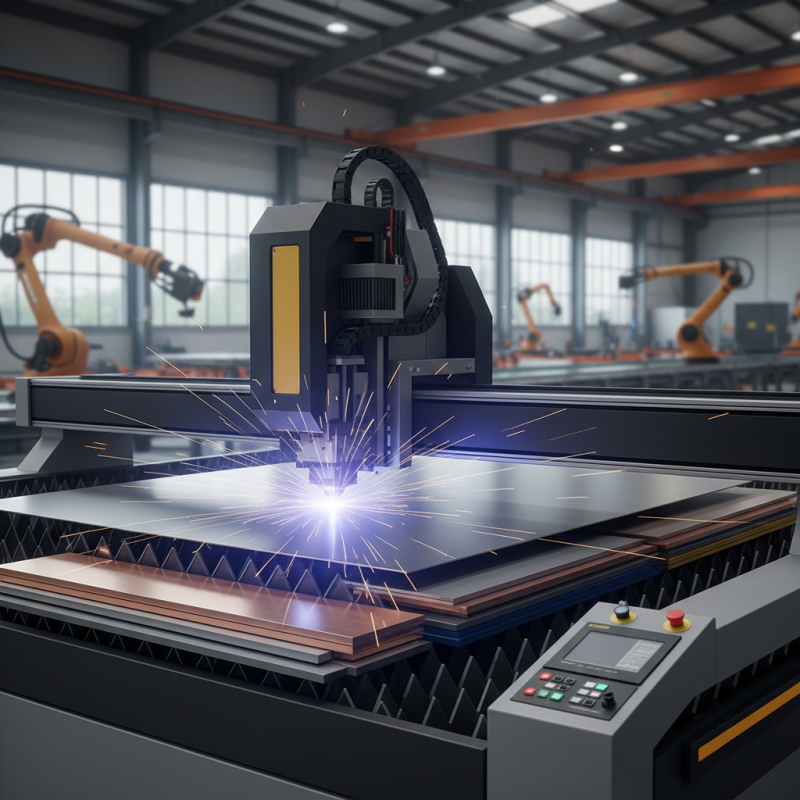
Precision cutting with metal laser machines revolutionizes the manufacturing process. These machines utilize focused laser beams to cut through metallic surfaces with unparalleled accuracy. According to a study by the International Journal of Advanced Manufacturing Technology, laser cutting can achieve tolerances as tight as 0.1 mm. This level of precision greatly reduces material waste and enhances product quality.
The enhanced accuracy provided by laser cutting facilitates complex designs that traditional methods struggle to replicate. In industries like aerospace and automotive, laser cutting allows for intricate patterns and details. A report from Research and Markets indicates that 40% of manufacturers experience improved design capabilities when using laser cutting technology. This feature also leads to faster production times, as machines can operate continuously without compromising quality.
However, it's essential to recognize the challenges. Operating and maintaining these machines requires skilled personnel and regular training. The initial investment can be substantial, making it less accessible for smaller businesses. Reflecting on these aspects is crucial for decision-makers in the manufacturing sector. Balancing the benefits of precision cutting against these potential drawbacks can lead to more informed choices.
Cost Efficiency: Reducing Material Waste with Laser Cutting Technologies
Metal laser cutting machines are revolutionizing manufacturing efficiency. One significant advantage is cost efficiency. Using laser cutting technologies leads to reduced material waste. Traditional cutting methods often result in excess scrap. In contrast, laser systems provide precision cuts, ensuring a more efficient use of materials.
Businesses can save money by minimizing leftover scrap. This cuts down on disposal costs and enhances resource utilization. Additionally, laser cutting allows for complex designs that traditional methods may struggle with. This innovation opens new avenues for creativity without additional material costs.
Here are some tips to maximize the benefits of metal laser cutting:
First, invest in high-quality materials. This ensures that even with precise cuts, the end product withstands quality checks. Moreover, consider the design phase carefully. Optimization can significantly impact the amount of scrap generated. Always revisit designs to explore potential improvements.
Versatility of Materials: Laser Cutting Machines for Various Metal Types
Laser cutting machines offer remarkable versatility when working with various metal types. These devices can efficiently process materials like stainless steel, aluminum, brass, and copper. Each metal has unique properties, and laser technology adapts to these differences well. For instance, stainless steel benefits from laser cutting due to its strength and resistance to rust. This technology creates clean edges without excess heat.
Aluminum is another metal that shines with laser cutting. It is lightweight and offers a smooth finish, reducing post-processing efforts. However, achieving precision can be tricky, as aluminum reflects laser beams. Understanding how to adjust settings ensures quality cuts. The ability to work with different metals allows manufacturers to explore diverse designs.
While laser cutting is efficient, challenges exist. For instance, different metals may require varying speeds and power settings. This can lead to mistakes if not managed properly. Familiarity with these adjustments is crucial. The learning curve might seem daunting, yet it ultimately enhances the quality of the work produced. Embracing such challenges can lead to innovation and improved techniques in metal fabrication.
Speed and Efficiency: Increasing Production Rates with Laser Technology
In today's fast-paced manufacturing landscape, speed and efficiency are paramount. Metal laser cutting machines have revolutionized production rates by utilizing advanced laser technology. These machines cut through metal with precision, significantly reducing the time needed for complex tasks. The speed of cutting operations can often double or triple compared to traditional methods. This quick turnaround allows businesses to meet higher demands without sacrificing quality.
However, it's essential to consider that not all laser cutting machines are created equal. Factors such as material type and thickness can affect cutting speed. In some cases, slower settings may yield better quality, requiring operators to balance speed with precision. Operators need to continuously assess their processes to ensure optimal performance. Efficient use of laser technology can lead to increased production rates, but ongoing training and adjustment are crucial for achieving the best results.
The ability to produce high volumes quickly can introduce challenges. As production rates increase, so does the need for rigorous quality control. Maintaining accuracy while speeding up operations can be tricky. Companies must be ready to adapt and refine their techniques to avoid potential errors. Investing in laser technology undoubtedly offers benefits, but it comes with responsibilities that require expertise and ongoing improvement.
Improved Safety Standards: Enhancing Workplace Safety in Metal Cutting Operations
Improved safety standards are crucial in metal cutting operations. The introduction of metal laser cutting machines has transformed workplace safety. These machines significantly reduce the risk of accidents. According to industry reports, automated systems can lower injury rates by up to 30%. This is a substantial improvement in a high-risk environment.
Laser cutting machines minimize human exposure to potentially hazardous tasks. The enclosed environment of these machines limits the chance of injuries from flying debris or burning sparks. As safety protocols evolve, manufacturers are adopting advanced technologies for real-time monitoring. These systems promptly alert operators to any irregularities, enhancing overall safety.
However, there are challenges to consider. Not all operators are adequately trained on these advanced systems. This gap can lead to safety oversights. Continuous education and training are vital for those operating these machines. By focusing on safe practices and thorough training, businesses can maximize safety benefits while minimizing risks.