Best Acoustic Metal Panels for Soundproofing Solutions?
Choosing the right soundproofing materials can significantly enhance the acoustics of a space. Acoustic Metal Panels are an effective solution for both absorption and sound isolation. These panels blend durability with aesthetic appeal, making them popular in various settings, from recording studios to office spaces.
Acoustic Metal Panels work by minimizing sound reflections. Their design helps absorb reverberations, reducing noise levels effectively. This feature makes them ideal for environments that require clarity, such as music production areas. Users often notice a remarkable difference in sound quality after installation.
However, the choice of acoustic panels can be overwhelming. Factors like thickness, material, and installation method matter. It’s essential to evaluate your specific needs to select suitable panels. Installing Acoustic Metal Panels might require professional help to achieve optimal results. Like any solution, it’s important to reflect on the specific acoustical challenges you face before making a decision.
Understanding Acoustic Metal Panels: A Comprehensive Overview
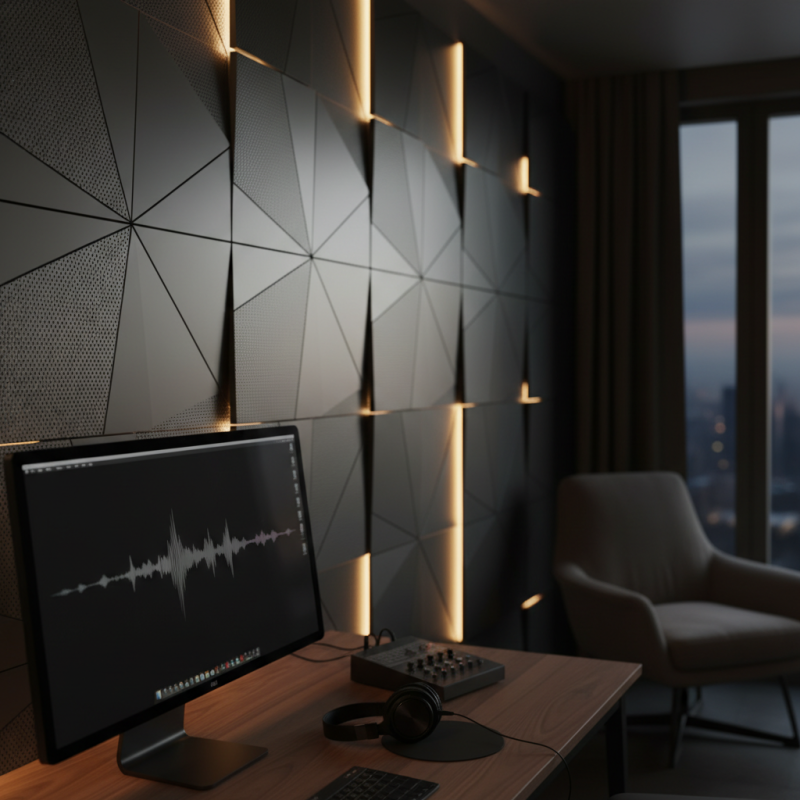
Acoustic metal panels are essential for effective soundproofing. These panels absorb sound and prevent echoes. They are ideal for studios, offices, and home theaters. The material offers excellent sound absorption while being durable and easy to maintain. Understanding their structure and performance is crucial for better acoustic design.
When choosing acoustic metal panels, consider the panel thickness. Thicker panels typically provide better sound absorption. Ensure panels have a high Noise Reduction Coefficient (NRC) rating. This rating indicates how well the material reduces sound. Positioning is also key; place panels strategically for optimal sound treatment.
Tips for installation: Measure your space first. Identify the areas with the most echo and sound reflection. Experiment with different placements before securing panels. Use varying panel sizes to create a visually appealing layout. Remember, a balanced sound environment is not just about aesthetics; it impacts overall sound quality.
Key Features to Look for in Acoustic Metal Panels
When looking for acoustic metal panels, consider the sound absorption capabilities. Choose panels that offer high performance in reducing sound reverberations. Look for panels made from materials that effectively dampen noise. Metal panels should combine durability with sound-dampening properties. A balance between aesthetics and functionality is also essential.
Another important factor is the installation process. Some panels are easier to install, while others require professional help. Determine your needs before making a choice. Weight and size can influence how panels fit in your space. A heavy panel might offer better soundproofing but could be cumbersome.
Also, look into the design and finish of the panels. They should blend well with your interior decor. A good design can enhance your space while providing acoustic benefits. Research shows that visually appealing panels encourage people to use them more consistently. Reflect on your choices, as the right panels can significantly improve sound quality in any environment.
Best Acoustic Metal Panels for Soundproofing Solutions
Top Acoustic Metal Panels for Effective Soundproofing
When it comes to soundproofing, the choice of materials plays a crucial role. Acoustic metal panels are gaining traction for their effectiveness and durability. These panels are designed to absorb sound waves and mitigate noise pollution. Their reflective surfaces help contain sound, making them ideal for both residential and commercial spaces.
One interesting feature of acoustic metal panels is their versatility. They come in various designs, colors, and textures. This variety allows them to blend seamlessly with any decor. However, not every installation leads to perfect soundproofing. The placement and configuration of the panels can significantly impact their performance. Improperly installed panels may create dead spots or areas with excessive echoes.
Many users report mixed results when using these panels. While some find them extremely effective, others notice that certain frequencies still penetrate through. This variability often stems from the specific environment and materials used in conjunction with the panels. It's essential to consider different factors such as room size and intended use when selecting acoustic panels. Adjustments might be necessary to achieve optimal sound control.
Installation Tips for Optimal Performance of Acoustic Panels
When setting up acoustic panels, placement is crucial. Start by identifying the main sound reflection points in your space. These areas are often where sound waves bounce back towards you. Use the mirror trick: sit in your listening position and have someone move a mirror along the walls. Wherever you see yourself in the mirror is a prime location for a panel.
During installation, ensure a snug fit against the wall. Gaps can allow sound to leak, reducing effectiveness. If you're using adhesive, choose a reliable option for long-lasting hold. For more versatility, consider mounting options that allow for adjustments. Experiment with positioning. You may find that moving a panel can lead to significant changes in sound quality.
Don't hesitate to ask for help during installation. Collaborating can lead to new insights. Also, if you're not satisfied with the results, rethink your placements. Soundproofing is a process that may require adjustments over time. Document your changes and listen closely. Each tweak can reveal more about how sound behaves in your space.
Comparing Acoustic Metal Panels with Other Soundproofing Solutions
When considering soundproofing solutions, acoustic metal panels present unique benefits. They differ from traditional materials, like foam and drywall. Metal panels offer durability and aesthetics, making them suitable for various environments. Unlike foam, they resist wear and tear better and maintain their form over time. However, the effectiveness of metal panels can vary based on installation and room specifics.
Tips: Ensure you assess your space’s acoustics first. Different environments require different solutions. Installation can influence performance. Metal panels generally reflect sound, which might be counterproductive in small areas? Balance is key.
Another aspect to consider is cost. While acoustic metal panels may offer longevity, they can come at a higher price. Traditional options like fiberglass and cellulose are initially more affordable but may need replacement sooner. Reflect on your budget and long-term needs when choosing.
In terms of aesthetics, metal panels can offer a sleek, modern look. They can enhance both office spaces and home studios. Different finishes and colors can provide customization. However, their industrial appearance might not suit everyone’s taste or style preference. Finding the right materials requires careful consideration of both functionality and visual appeal.