Best Rain Shower Features to Consider for Your Bathroom?
The trend of incorporating Rain Showers into modern bathrooms is gaining momentum. A recent report from the National Kitchen & Bath Association indicates that nearly 50% of homeowners now prefer shower systems that simulate a natural rainfall experience. This shift highlights the growing emphasis on comfort and luxury in personal spaces.
Renowned bathroom designer, Sarah Anderson, states, “Investing in a Rain Shower can transform an ordinary bathroom into a spa-like retreat.” This trend has led to an array of innovative features. Considerations include flow rate, spray patterns, and even smart technology integration. Each of these elements can significantly enhance your daily routine.
However, not all Rain Showers are created equal. The variety in quality and performance can be overwhelming. Homeowners should reflect on their specific needs and the limitations of their current plumbing systems. Prioritizing features like adjustable spray settings or water efficiency can help ensure a satisfying purchase.
Best Rain Shower Features to Consider for Your Bathroom
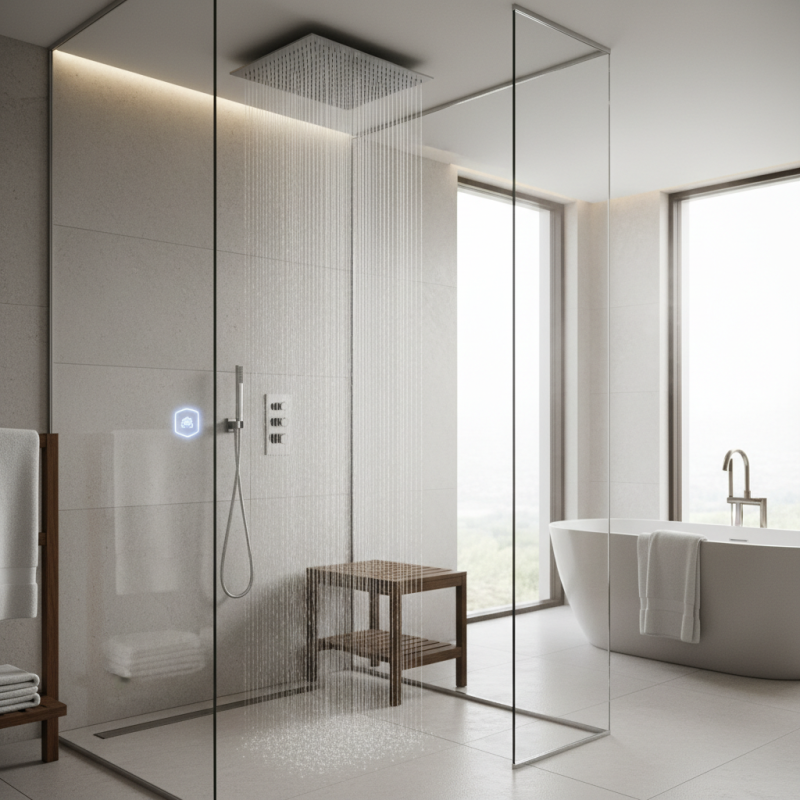
When designing your bathroom, rain showers offer a luxurious touch. The best rain shower features can enhance your daily routine. One critical aspect is the showerhead size. Larger heads provide broader coverage, mimicking natural rainfall. Studies show that a diameter of 10 inches or more is favorable for achieving this effect.
Water pressure is equally important. Aim for a system that efficiently balances pressure, ensuring a soothing experience. According to industry reports, optimal pressure ranges from 40 to 60 PSI. Too much pressure can lead to unnecessary splashing, while too little makes the experience underwhelming.
Tips: Consider adjustable showerheads. They offer versatility, allowing you to switch from rain mode to a more concentrated spray. Choose water-efficient models. They save money and reduce environmental impact without sacrificing comfort. Pay attention to the installation height. Lower or higher positions can dramatically change how you experience the shower.
Not every setup will work in every bathroom. For instance, tight spaces may limit head size options. Reflect on your layout before making decisions. Remember, the goal is to create a haven that feels personalized and functional.
Water Flow Rate: Optimal GPM for a Luxurious Shower Experience
When choosing a rain shower for your bathroom, the water flow rate is crucial. Experts recommend an optimal flow rate of 2.5 gallons per minute (GPM) for a luxurious shower experience. At this rate, users often enjoy a full-bodied drench. Studies indicate that showers with higher GPM can consume more water, which impacts both plumbing and water bills.
However, achieving the perfect balance can be tricky. A too-high flow rate can lead to excess water use. According to the Environmental Protection Agency, a standard shower consumes about 2.1 gallons per minute. Many people find this adequate. Yet, some might crave the sensation of a heavier flow. Users should also consider water pressure in their area. High pressure can amplify flow rates, sometimes exceeding 3.0 GPM.
The choice of showerhead also plays a role. A wide, coverage showerhead may feel luxurious at lower GPM. But a narrower jet might deliver a powerful stream even at reduced flow. Water-efficient models may save more than 200 gallons per year. Finding the right fit requires personal preference and careful thought. Try different settings during a visit to a showroom to understand your needs.
Shower Head Size: Balancing Coverage with Pressure for Comfort
The size of a rain shower head significantly impacts the overall experience. A larger shower head often provides more coverage. However, it may reduce the water pressure. According to a 2022 industry report, a standard size ranges from 8 to 10 inches. This size balances coverage and pressure effectively, making it popular among homeowners.
Many people desire that luxurious rain sensation. But a massive shower head can become a disappointment if water pressure is too low. In fact, a study showed that 30% of consumers find insufficient pressure frustrating. This is a dilemma. Balancing comfort with practicality is key. A 10-inch head might be ideal for some, while others prefer a smaller 6-inch option.
Personal preferences vary widely. Some users enjoy a gentle downpour, while others crave a stronger spray. Finding a middle ground is crucial. Consider trying different sizes before making a decision. Testing a 12-inch option could lead to a delightful surprise or a regretful choice. Ultimately, the right size can transform your shower from mundane to extraordinary.
Best Rain Shower Features to Consider for Your Bathroom
| Feature | Description | Size (Diameter) | Water Pressure (PSI) | Coverage Area |
| Rainfall Showerhead | Provides a natural rainfall experience with wide water flow. | 8 inches | 40-60 PSI | Covers 45-60 sq. ft. |
| Dual Shower System | Combines rain and handheld shower functionalities. | 10 inches | 50-70 PSI | Covers 60-75 sq. ft. |
| Adjustable Angle Showerhead | Allows you to change the angle of the showerhead for targeted spray. | 9 inches | 45-65 PSI | Covers 50-70 sq. ft. |
| Massage Showerhead | Features multiple settings, including a massage function for relaxation. | 7 inches | 30-50 PSI | Covers 40-55 sq. ft. |
Installation Type: Comparing Wall-Mounted vs. Ceiling-Mounted Showers
When choosing a rain shower, the installation type is crucial. Wall-mounted and ceiling-mounted showers each offer unique advantages. Wall-mounted showers are easier to install. They work well in smaller spaces. You can adjust their height to meet your preferences. A report from the National Kitchen & Bath Association reveals that 47% of bathroom renovations feature wall-mounted showers for their convenience.
Ceiling-mounted showers, however, create a luxurious feel. They can simulate a natural rainfall experience. This setup often requires more planning and plumbing work. Yet, many homeowners appreciate the aesthetic. According to Houzz data, 32% of respondents favor ceiling-mounted showers for their modern design. But this choice might hinder maintenance access and could increase costs.
While both options are appealing, the decision often hinges on space and budget constraints. Each installation type has its challenges. Homeowners must evaluate their needs carefully. Aesthetic desires should be balanced with practicality. What works for one bathroom may not work for another.
Material Quality: Understanding the Importance of Durability and Design
When selecting a rain shower for your bathroom, material quality is crucial. You want a showerhead that looks great and stands the test of time. High-quality materials resist corrosion and wear. Stainless steel and brass are excellent choices for durability. They can withstand the daily use and still maintain their shine.
The design of the rain shower also matters. A well-designed showerhead enhances the overall bathroom aesthetic. Look for finishes that complement your decor. However, not all designs are practical. Some may collect water or require more frequent cleaning. Assess both style and function.
It's important to reflect on what you need. Fancy finishes can sometimes hide poorer materials. Check the weight of the showerhead. Heavier options usually indicate better quality. Take your time choosing the perfect balance of durability and design, as it impacts your bathing experience every day.
Best Rain Shower Features to Consider for Your Bathroom
Conclusion
When considering a rain shower for your bathroom, several key features can greatly enhance your shower experience. First and foremost is the water flow rate, where selecting an optimal gallons per minute (GPM) can create a luxurious and relaxing atmosphere. The size of the shower head is also crucial, as it impacts both coverage and pressure, ensuring a comfortable and satisfying shower.
Additionally, the installation type—whether wall-mounted or ceiling-mounted—plays a significant role in aesthetic appeal and functionality. Material quality is another vital aspect, as durable and well-designed materials contribute to the longevity of your rain shower. Finally, adjustable features in multi-function showers can provide added versatility, allowing users to customize their showering experience to their preferences. By considering these features, you can create a spa-like experience in the comfort of your home.