
China Top Raffia Straw Hat Manufacturers for Wholesale Buyers
A Raffia Straw Hat can look simple on a shelf, yet wholesale sourcing depends on details buyers can verify. Grand View Research estimated the global headwear market at about US$26.5 billion in 2023 and projected continued growth through 2030. That broad category includes many products; it does not measure raffia hats alone. This distinction matters. It provides market context, not proof that every supplier or style will sell.
For buyers comparing China-based manufacturers, the useful questions are practical: What raffia material is used? How consistent are weave density, brim shape, and color across production runs? Can the factory provide pre-production samples, clear size tolerances, and realistic lead times? Inspect the inside, too. Sweatband attachment, edge finishing, and packing methods can affect comfort and condition on arrival. Details decide.
A reliable supplier should explain its quality-control steps and share product specifications that match the samples. Buyers can request close-up photos, confirm carton dimensions, and agree on inspection criteria before approving an order. These checks do not remove every risk. Handwoven texture may vary, and sample quality alone cannot guarantee bulk consistency. That is easy to overlook. A careful sourcing process leaves room for questions, records agreed standards, and treats small differences honestly. The following guide examines China’s Raffia Straw Hat manufacturers through that buyer-focused lens, using product capability, communication, and wholesale readiness as practical points of comparison.
Understanding Raffia Straw Hats and Their Wholesale Appeal
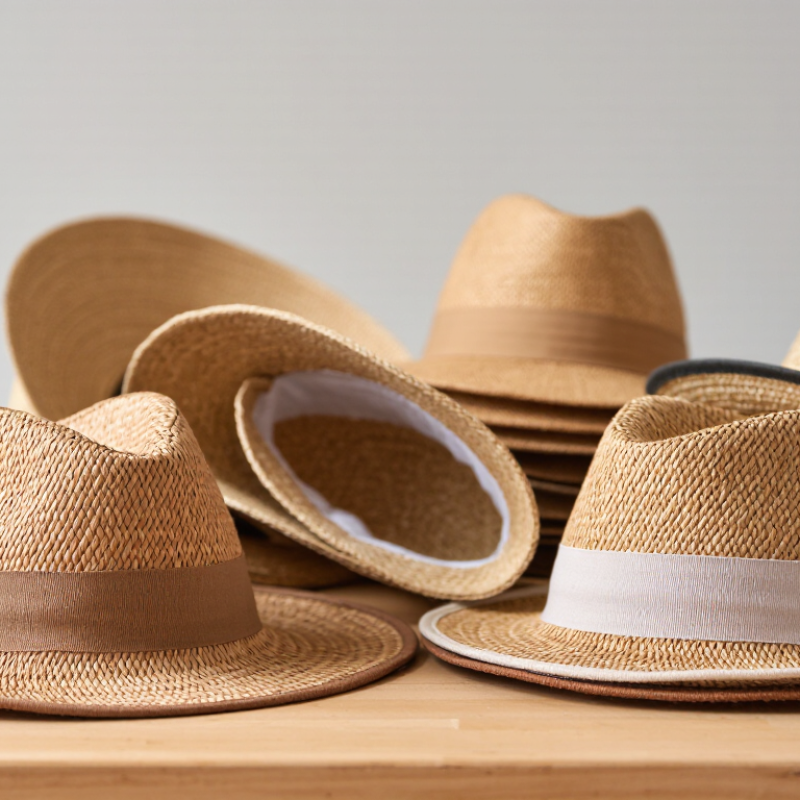
Raffia straw hats are made from fibers taken from raffia palm leaves. Their natural texture gives each hat a slightly different look. The material is light and breathable, making it comfortable for warm-weather use. Not every weave is perfectly even. That variation can feel authentic, though some buyers may prefer a more uniform finish. For wholesale buyers, raffia hats can suit resort shops, outdoor markets, and seasonal collections. Their appeal depends on both appearance and practical details.
When reviewing samples, check the weave density, brim shape, stitching, and inner sweatband. Try the hat on, or compare its measurements with your intended size range. Ask how colors and finishes may vary between production batches. Natural fibers can show small differences; clear expectations help prevent surprises. Also consider how hats will be packed, since crushed brims may need reshaping. These are small details, but they matter.
Tips: Request a pre-production sample and inspect it in daylight. Gently flex the brim to see how it holds its shape. Confirm packing dimensions and care instructions before ordering. A useful reminder: natural does not mean identical. Don’t promise customers perfect uniformity when the material itself has character.

Overview of Leading Raffia Straw Hat Manufacturers in China
China’s raffia straw hat manufacturers serve wholesale buyers through material sourcing, plaiting, shaping, and finishing. Their capabilities vary: some focus on hand-braided styles, while others offer repeatable sizing and larger production runs. Ask for close-up photos of the weave, brim edge, inner band, and stitching. These details reveal workmanship better than a polished catalog image. Request samples before confirming bulk orders, especially when color consistency and crown shape matter.
Textile Exchange’s 2024 Materials Market Report estimates that global fiber production reached 124 million tonnes in 2023. The report does not isolate raffia, so it cannot verify raffia-specific demand or supply. For a more reliable supplier comparison, ask about fiber origin, composition, batch records, monthly capacity, and inspection procedures. Confirm how the factory handles brittle strands and uneven natural color. These variations are normal, but buyers should agree on acceptable limits in writing.
Tips: Send a reference hat and a measurement sheet. Check samples for loose ends, uneven brims, and comfort after several minutes of wear. Natural fibers vary. Even a good sample may not match every production piece exactly, so define tolerances before placing an order.
Comparing Manufacturing, Customization, and Quality Capabilities
Wholesale buyers should compare a raffia straw hat maker’s production process, customization options, and inspection methods. Ask how raffia is sorted, woven, and shaped, and whether workers check hats during each stage. Consistency matters. A tightly woven crown should feel even, while the brim should hold its curve without sharp, brittle edges. Request a sample made with the intended materials, not a showroom substitute.
Customization can cover crown height, brim width, color, weave density, and trim placement. Provide measurements and reference images, then ask for a written specification before bulk production. Small changes can affect comfort and packing space. A wider brim, for example, may need stronger shaping and more careful carton placement. Not every factory handles unusual shapes equally well.
Quality checks should include measurements, stitching or binding, loose fibers, color variation, and shape after handling. Ask how many units are inspected and how defects are recorded; vague assurances are hard to evaluate. Compare a pre-production sample with finished units from a trial run when possible. Even then, natural raffia varies in tone, and a perfect match may be unrealistic. That deserves discussion. A clear defect standard helps both sides judge what is acceptable.
Evaluating Wholesale Pricing, Minimum Orders, and Lead Times
Wholesale pricing for raffia straw hats depends on more than the quoted unit cost. Buyers should compare the same specifications: weave density, brim width, hatband, lining, and packing method. A tighter weave or carefully shaped brim may raise labor costs. Request a sample before approving a large order, and ask whether sample charges can be credited later. Small details matter.
Tips: Ask for a price breakdown by quantity tier, plus separate costs for samples, custom labels, and packaging. Confirm the minimum order quantity for each color, not just the total order. A low unit price can become less attractive if every color requires a large commitment.
Lead times should include sampling, production, inspection, and delivery to your destination. Ask the manufacturer to provide an estimated schedule with clear milestones, then leave room for revisions or peak-season delays. Get the start date in writing; “about four weeks” can mean different things to different teams. Ask for dates. If materials or specifications change after approval, the schedule may need to change too. I would not treat an early estimate as guaranteed until the sample and order details are confirmed.
Verifying Suppliers and Choosing the Right Manufacturing Partner
For wholesale buyers, a polished catalog is only a starting point. Ask for a current sample made with the same raffia, weave, and finish planned for production. Measure the crown and brim, check stitching at the edges, and compare color in daylight. Small differences can affect how a batch looks on a retail shelf. Ask how the supplier checks materials and finished hats, and request sample inspection records when available.
Verify the workshop’s actual capacity before agreeing on volume or delivery dates. A live video tour can show weaving stations, storage conditions, and packing methods, though it cannot replace an independent inspection. Request references from recent wholesale customers and confirm how defects, delayed shipments, and specification changes are handled. Keep measurements and approved sample details in writing. A perfect sample can still hide production variation; I would not treat one good hat as proof of consistent output.
Tips: Ask for close-up photos of seams and brim edges. Approve a pre-production sample, then inspect a random selection from the finished batch. Clarify packaging and carton dimensions early. If an answer feels vague, pause and ask again. That extra step may feel fussy, but it can prevent an expensive mismatch.