China Top Wooden Plywood Suppliers for Global Buyers?
The global wooden plywood market continues to expand, driven by increasing construction demand. According to a recent report from the International Wood Products Association, the demand for wooden plywood is expected to grow at a compound annual growth rate (CAGR) of 6.2% through 2026. China stands out as a key supplier in this sector, renowned for its extensive production capabilities and diverse product offerings.
China's wooden plywood producers have developed a robust reputation for quality and reliability. However, buyers should be aware that not all suppliers maintain the same standards. Discrepancies in product quality can lead to significant challenges for importers. Recent industry studies indicate that about 30% of imported plywood fails to meet international specifications. This highlights the necessity for potential buyers to conduct thorough research and due diligence before selecting a supplier.
As the industry evolves, factors such as sustainable sourcing and eco-friendly practices are gaining traction. Many Chinese manufacturers are transitioning towards greener production methods. However, challenges remain, particularly regarding compliance with international environmental standards. Buyers should critically evaluate their suppliers' certifications and practices to ensure they align with their values and operational requirements.
Overview of the Chinese Plywood Industry and Its Global Impact
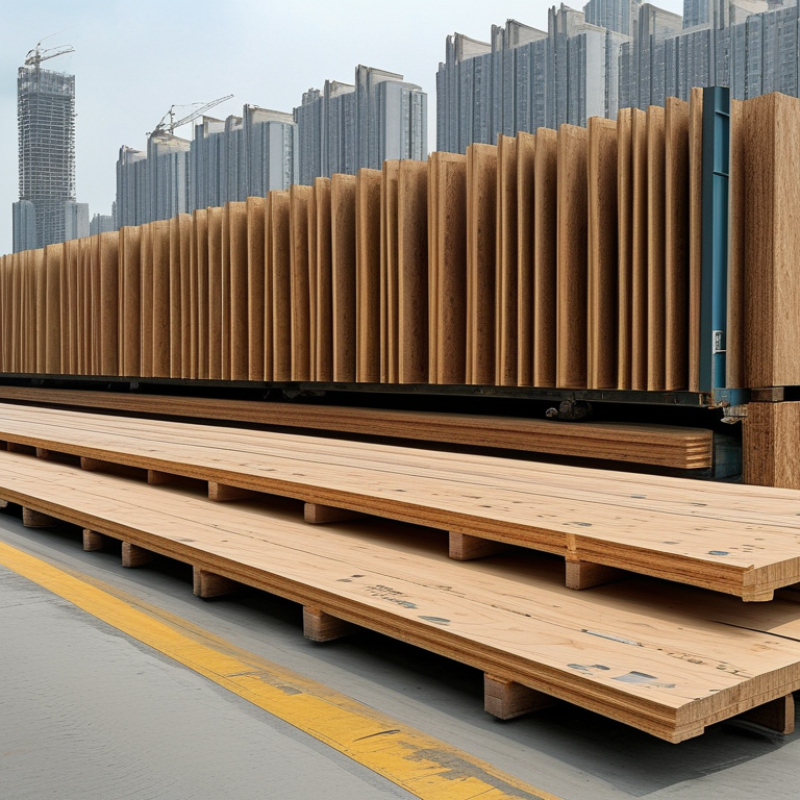
The Chinese plywood industry plays a crucial role in the global market. It significantly impacts trade, economy, and ecology. China holds a leading position in plywood production, creating around 30% of the world’s supply. The raw materials often come from sustainable forests. However, concerns about deforestation and sustainability remain. While advances are being made, challenges persist in ethical sourcing.
Quality varies greatly among manufacturers. Some comply with international standards, while others cut corners. Buyers must thoroughly vet suppliers. Reports of substandard products circulate, raising questions about reliability. It requires expertise to navigate this complex landscape. Transparency is essential, yet not always guaranteed. Engaging directly with factories can lead to better insights.
Innovation is evident in the sector. New technologies improve production efficiency and reduce waste. However, there remains room for improvement in environmental practices. Striking a balance between profitability and sustainability is a pressing challenge. Global buyers should be aware of these dynamics when making purchasing decisions. The industry’s future relies on responsible practices and ethical partnerships.
Leading Plywood Manufacturers in China: A Detailed Profile
China's plywood industry is vast and diverse. Manufacturers vary in quality, production techniques, and market reach. Identifying the right suppliers is essential for global buyers to ensure consistent supply and quality.
Leading manufacturers often emphasize sustainable sourcing. They use fast-growing wood species and advanced production methods. This ensures both durability and a lower environmental impact. However, buyers should verify certifications to confirm eco-friendly practices. Some manufacturers may claim sustainability without sufficient evidence.
Tips: Research potential suppliers thoroughly. Check their export experience and client reviews. Visiting factories can provide insights into their operations and reliability. Networking at trade shows also helps build connections with reputable suppliers. Engage in discussions with multiple manufacturers to compare offerings and negotiate better terms.
Quality Standards and Certifications for Chinese Plywood Suppliers
When sourcing plywood from China, quality standards are paramount. Several organizations govern the industry. One key standard is the International Organization for Standardization (ISO). This certification ensures that suppliers follow a set of quality management practices.
Many Chinese plywood suppliers also adhere to Environmental Product Declarations (EPDs). EPDs provide detailed information about the environmental impact of products. This helps buyers make informed decisions. However, not all suppliers prioritize these certifications. Some may lack transparency or provide limited documentation.
Another important factor is compliance with local regulations. Buyers should verify that suppliers' products meet safety standards. There can be discrepancies in quality. A factory may have adequate certifications on paper but fail to deliver consistent product quality. Regular audits or third-party inspections can uncover these issues. Buyers must be diligent in their evaluations to ensure reliability.
Top Wooden Plywood Suppliers Quality Standards
Sourcing Strategies for Global Buyers: Tips for Working with Chinese Suppliers
Sourcing wooden plywood from China requires a strategic approach. Global buyers should prioritize researching suppliers thoroughly. Verify their certifications and industry experience before engaging in procurement discussions. Transparent communication can enhance trust. Ask for product samples to assess quality early in the process.
Establishing clear expectations is vital. Outline your specifications and delivery timelines. It's essential to discuss payment terms upfront to avoid future misunderstandings. Many suppliers are willing to negotiate but ensure the terms are realistic. Avoid vague agreements; clarity can prevent disputes down the line.
Building relationships with suppliers is key. Frequent communication fosters collaboration and problem resolution. Understand cultural nuances in business practices—it can improve interactions significantly. Consider visiting suppliers in person if possible. This can deepen rapport and lead to better pricing and service. However, be aware of varying quality levels across different suppliers; not all will meet expectations despite initial appearances.
Future Trends in the Global Plywood Market and China's Role
The global plywood market is witnessing significant changes, with China playing a vital role. As sustainability becomes a priority, manufacturers are adapting their processes. More eco-friendly materials emerge, influencing buyer preferences. This shift calls for innovation and responsibility.
Tips: Source wood from certified suppliers. Look for practices that promote reforestation. This will ensure a sustainable approach in your procurement process.
China's plywood industry is strengthening its presence internationally. New technologies boost efficiency and product quality. However, competition is intensifying. Buyers must remain informed about market trends and consider alternative materials.
Tips: Engage with local markets to understand regional preferences. This will aid in making more informed purchasing decisions. Focus on durability and price to achieve a balance in your requirements.
As the landscape evolves, staying ahead is crucial. Global buyers should focus on partnerships that prioritize both quality and sustainability. The plywood market's future hinges on adaptability and forward-thinking strategies.
China Top Wooden Plywood Suppliers for Global Buyers
| Supplier Country | Annual Production Capacity (m³) | Export Volume (m³) | Main Market Regions | Sustainability Certifications |
| China | 12,000,000 | 5,000,000 | North America, Europe, Asia | FSC, PEFC |
| Vietnam | 8,500,000 | 3,500,000 | Europe, Australia | FSC |
| Indonesia | 6,000,000 | 2,000,000 | Asia, North America | PEFC |
| Malaysia | 4,000,000 | 1,000,000 | Europe, Middle East | FSC |
| Thailand | 3,500,000 | 750,000 | Australia, Asia | FSC, ISO 14001 |