
How to Choose a Modular Trade Show Booth in 2026?

In 2026, choosing a Modular Trade Show Booth requires more than comparing attractive renderings and package prices. Exhibitors must balance portability, visual impact, sustainability, storage, installation time, and measurable lead quality. UFI’s Global Exhibition Barometer has reported continuing recovery and positive expectations across the global exhibition industry. That momentum increases competition on crowded show floors. A booth must work harder within limited space.

Industry research also supports the value of live experiences. Freeman’s recent Trends Reports emphasize that in-person events help audiences build trust and stronger brand connections. CEIR research continues to identify exhibitions as valuable channels for face-to-face business engagement. However, these findings do not prove that every modular system will deliver results. Poor lighting, weak graphics, or an awkward meeting area can waste a substantial investment. That happens.

From practical booth planning experience, the best choice usually begins with the exhibitor’s real operating conditions. Consider a 3-by-3-meter space, two staff members, a packed shipping case, and only three hours for setup. Can the structure be assembled without specialized tools? Can one damaged graphic be replaced quickly? Does the design remain stable after repeated transport? These questions reveal more than a glossy brochure. This guide explains how to compare frame quality, reconfiguration options, graphics, accessories, logistics, supplier support, and total ownership cost. It also examines where modularity can disappoint, because flexibility alone is not a strategy. A reliable booth should look polished, travel efficiently, support meaningful conversations, and adapt as the brand’s exhibition program changes.
How to Choose a Modular Trade Show Booth in 2026?

What Is a Modular Trade Show Booth?

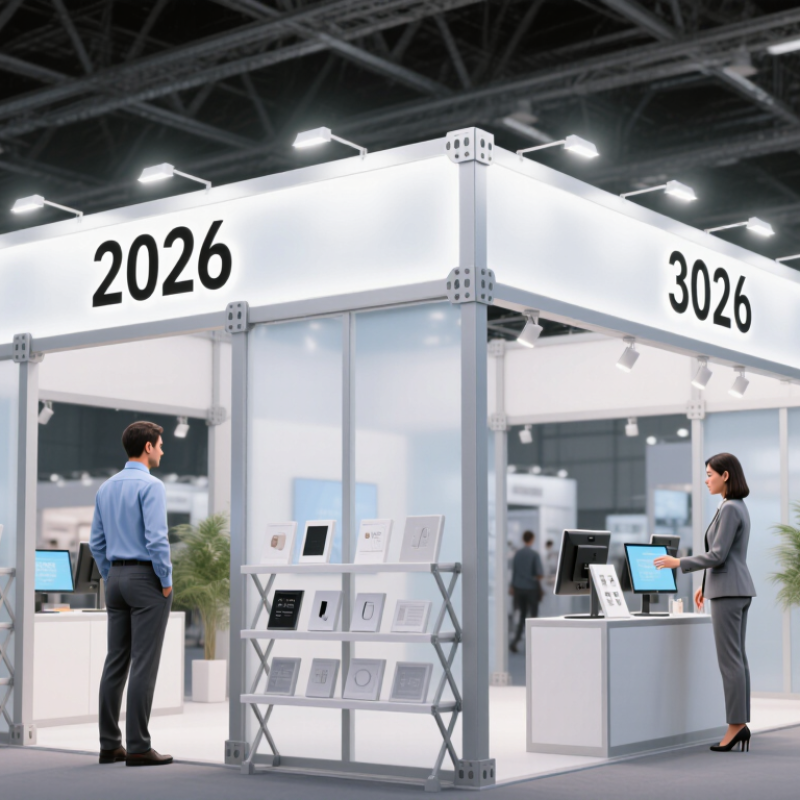
A modular trade show booth is a reusable exhibit system built from lightweight frames, fabric graphics, panels, counters, lighting, and connectors. Unlike a custom booth, it can be expanded, reduced, and rearranged for different floor spaces. A 10-by-20-foot display might become two smaller exhibits after the event. That flexibility matters in 2026.

The CEIR 2023 U.S. Census reported that business exhibitions generated about $97.3 billion in direct spending during 2022. This scale increases pressure to control transport, storage, labor, and replacement costs. In practice, choose a booth with tool-light assembly, numbered parts, stable packaging, and graphics that can be replaced separately. Check ceiling heights, electrical access, fire-rating documents, and accessibility before approving the design. Small omissions become expensive at the venue.

Sustainability claims need careful review. A reusable frame helps, but frequent graphic disposal can weaken the benefit. The UFI Global Exhibition Barometer continues to identify sustainability as a growing industry priority, yet reporting methods vary between suppliers. Ask for material specifications, reuse plans, and measured shipping weights. Integrated screens can attract attention, but they also add power needs and technical failure points. I have seen attractive displays become awkward when visitors cannot find a clear meeting surface. The best modular booth is not the most elaborate one. It is the one your team can assemble, explain, maintain, and improve after each show.

How to Choose a Modular Trade Show Booth in 2026?

What Is a Modular Trade Show Booth?

A modular trade show booth is an exhibit system made from reusable, interchangeable components such as frames, graphic panels, shelves, counters, lighting, and storage units. The chart compares four commonly specified booth footprints. Larger footprints provide more room for demonstrations, product displays, meeting areas, and storage, while smaller footprints are easier to transport and install. Choose the footprint that matches your event space, exhibiting goals, transport requirements, and budget.

Area conversions use 1 square foot = 0.092903 square meters. Booth footprints shown are standard exhibit-space dimensions, not market-share data.

Which Booth Size and Layout Fit Your Exhibit Goals?

Choosing a modular trade show booth in 2026 starts with your exhibit goal, not the largest available space. A 10-by-10-foot booth can support one focused message, a counter, and a compact product display. Think beyond square footage. If you need live demonstrations, private conversations, or large samples, a 10-by-20-foot layout may work better. Leave enough room for visitors to enter without blocking the aisle.

Your layout should guide movement naturally. Place the strongest visual message at eye level, facing the main traffic direction. Keep demonstrations near the front, while storage and staff materials stay behind the display. A small meeting area needs clear separation, but solid walls can make a compact booth feel closed. Open corners, lightweight panels, and adjustable shelves usually provide better flexibility. Check the event organizer’s height, lighting, fire-safety, and access rules before confirming the design.

I have seen exhibitors choose extra space without planning its purpose. The result looked impressive but felt empty. That mistake is common. Measure every item, including chairs, monitors, packaging, and personal bags. Then test the layout with masking tape on a floor. Watch where people naturally pause. A modular system can be resized or reconfigured, but changes still affect transport, setup time, and budget. Your best choice may be smaller, clearer, and easier for staff to manage. Reconsider the plan after a practice walk-through.

How Should You Compare Booth Materials and Construction?

When choosing a modular trade show booth in 2026, compare materials before comparing appearance. A polished render can hide weak joints, heavy panels, or difficult storage. During setup, installers notice these problems quickly. They affect labor time, shipping costs, and the booth’s stability.

Aluminum frames offer a strong, lightweight structure for repeated events. They also support simple reconfiguration when your floor space changes. Tension fabric creates a clean graphic surface and packs into smaller cases. However, fabric can wrinkle if packed while damp or folded carelessly. Laminate panels provide a more rigid, premium feel. They resist some scuffs, but they add weight and need careful edge protection.

Construction details deserve equal attention. Check how frames connect, whether tools are required, and how replacement parts are supplied. A system with fewer unique components is usually easier to repair onsite. Ask for assembly instructions and a sample connection, not only product photos. Small hardware can disappear under a crowded exhibit table. Plan for that.

Do not overlook safety and venue requirements. Confirm flame-performance documentation, electrical routing, load limits, and accessibility clearances with the event organizer. These requirements vary by location. I have seen attractive booths delayed because cables crossed walking paths. That mistake is avoidable. Still, no material is perfect. A lighter frame may feel less substantial, while a rigid wall may travel poorly. Compare the booth’s full life cycle, from warehouse shelf to final teardown.

How to Choose a Modular Trade Show Booth in 2026? — How Should You Compare Booth Materials and Construction?

Practical comparison of commonly used modular booth materials and construction methods

Construction option Primary materials Typical system weight* Typical setup team / time* Reusability Visual finish Durability and maintenance Transport profile Typical suitability Main limitations
Aluminum extrusion + tension fabric Anodized or powder-coated aluminum profiles with polyester or similar tension fabric graphics Approximately 8–18 kg/m², excluding furniture, lighting, and shipping crates Usually 2 people; approximately 2–6 hours for a small-to-medium booth High when profiles and graphics are stored correctly; graphics may need replacement after repeated handling Seamless, lightweight, and suitable for large-format printed walls; illuminated fabric is available Good resistance to corrosion; fabric can crease, stain, or stretch if packed while damp Generally compact and efficient; fabric packs smaller than rigid wall panels Frequent events, portable backwalls, island displays, and designs requiring quick reconfiguration Less impact-resistant than rigid panels; large fabric surfaces require careful tensioning
Aluminum extrusion + rigid graphic panels Aluminum framing with lightweight composite, PVC-free board, acrylic, or other rigid sheet materials Approximately 15–30 kg/m², depending on panel thickness and accessories Usually 2–3 people; approximately 4–10 hours for a small-to-medium booth High for the frame; panels can be reused if protected from scratches and edge damage Crisp, architectural appearance with flat surfaces suitable for high-resolution graphics Better resistance to abrasion and accidental contact than fabric; damaged panels can be costly to replace More space and protective packaging are required; panel edges need careful handling Premium product presentations, meeting rooms, demonstration walls, and high-traffic areas Higher weight, storage volume, and handling risk than fabric-based systems
Aluminum frame + modular laminate panels Aluminum or light-gauge metal framing with laminated fiberboard, plywood, or composite infill panels Approximately 25–45 kg/m², depending on the panel core and built-in storage Usually 2–4 people; approximately 6–14 hours for a medium booth Medium to high; modular parts can be reconfigured, while custom-finished panels may be less flexible Solid, furniture-like appearance with integrated shelving, counters, and storage Good structural stability; laminate edges, hinges, and joining hardware require inspection Bulkier and heavier; usually requires robust cases or crates and more freight planning Multi-day exhibitions, semi-permanent installations, and booths needing substantial storage Higher labor and freight costs; some panel cores have limited recycling options
Steel or aluminum hybrid frame + fabric infill Steel base or load-bearing components combined with aluminum profiles and tension fabric Approximately 18–35 kg/m², depending on height, ballast, and structural requirements Usually 2–4 people; approximately 6–16 hours for a medium-to-large booth High when the frame is engineered for repeated assembly and graphics are replaceable Large visual impact with improved stability for tall structures, suspended elements, or heavier accessories Strong and stable; steel parts require protection against corrosion, especially after surface damage Heavier than an all-aluminum system but often more compact than a fully rigid build Large islands, high walls, hanging-sign support, and installations with demanding structural loads Requires engineering review, accurate assembly, and compliance with venue height and rigging rules
Reusable pop-up or collapsible frame Collapsible aluminum or steel scissor frame with fabric, magnetic, or hook-and-loop graphics Approximately 4–12 kg/m², excluding counters, lighting, and accessories Usually 1–2 people; approximately 15–60 minutes for a basic backwall Medium to high; hinges, connectors, and graphic attachment points determine service life Clean and practical, but generally less architectural than a constructed modular booth Fast to deploy; moving joints should be checked for looseness and damaged connectors Very portable; suitable for small vehicles, courier delivery, and frequent short events Small spaces, roadshows, press walls, sponsorship areas, and first-time exhibitors Limited storage, architectural detailing, load capacity, and custom floor-plan flexibility
Hybrid modular booth with rented components Reusable aluminum framing combined with rented furniture, flooring, lighting, monitors, and selected graphics Approximately 10–30 kg/m² for the booth structure, excluding venue equipment and furniture Usually 2–4 people; approximately 4–12 hours, subject to venue services and electrical work High for owned structural elements; rented components are returned and reused within the rental pool Highly customizable, with a balance between branded graphics and professionally finished furnishings Maintenance is shared between owned components and rental suppliers; condition checks are essential Reduces owned inventory, but local availability and delivery schedules affect logistics Companies exhibiting in multiple cities or changing booth sizes from event to event Rental availability, venue deadlines, and service charges can limit last-minute changes

How to compare before selecting: Request the same floor area, wall height, graphic coverage, lighting package, flooring, storage, shipping method, labor, and dismantling scope in every quotation.

Important compliance check: Confirm the venue’s rules for flame-retardant graphics and materials, maximum height, hanging signs, electrical equipment, accessibility, ballast, and structural engineering. Weight and setup figures are indicative planning ranges; the final specification depends on design, local regulations, and supplier engineering.

What Technology, Graphics, and Accessories Do You Need?

Choosing a modular trade show booth in 2026 means matching technology with real visitor behavior. At a recent 20-by-20-foot exhibit, I used a large display for product demonstrations and short customer videos. The screen worked best when placed near the aisle, not hidden behind a counter. Keep interaction purposeful. A touchscreen can collect inquiries, show specifications, or guide visitors through a service. It should not replace a knowledgeable staff member. Test every device with the booth’s lighting, internet connection, and power limits before shipping.

Graphics must communicate within a few seconds. Use one strong message, readable type, and clear product images. Important text should remain visible from six to ten feet away. High-contrast colors improve readability in crowded halls. I prefer tension fabric for clean edges and easier transport, but printed panels can provide sharper small details. Check colors under the venue’s lighting. A test print once looked balanced in the office but appeared too dark onsite. That mistake changed our proofing process.

Accessories should solve practical problems. Add lockable storage, adjustable lights, a charging shelf, and a small meeting counter. Cable covers reduce trip risks and make the floor look deliberate. Keep spare adapters, extension cables, and printed information nearby. Bring less clutter. An extra screen may attract attention, yet it can consume power and distract visitors. Review accessibility, setup time, and staff movement before approving the final layout. A booth that looks impressive but slows conversations needs another revision.

How Can You Evaluate Costs, Logistics, and Reusability?

How to Choose a Modular Trade Show Booth in 2026?

How Can You Evaluate Costs, Logistics, and Reusability?

A modular booth should be priced as a complete project, not only as a display kit. Request separate figures for hardware, graphics, lighting, shipping, storage, installation, and dismantling. A low purchase price can hide expensive labor or oversized crates. Ask for a replacement cost for one damaged panel. That number often reveals the real maintenance burden.

Measure the venue door, elevator, and loading route before selecting the structure. A booth packed into several manageable cases may move faster than one large crate. Confirm the packed dimensions and total weight in writing. Include setup hours, union labor requirements, advance warehouse fees, and return freight. I once underestimated storage space and paid for an extra unit. It was avoidable.

Reusability depends on flexible design, durable connections, and replaceable graphics. Choose components that can create a 10-by-20-foot layout today and a smaller footprint next season. Check whether shelves, counters, and lights can move without special tools. Inspect hinges, cables, printed surfaces, and case wheels after every event. Keep a simple condition log with photographs. It sounds excessive. It prevents guesswork.

Ask how the materials perform after repeated assembly. Request realistic lifespan estimates, not promotional promises. A five-year plan should include graphic refreshes and changing product displays. If the booth only works for one campaign, it is not truly modular. Review at least three comparable quotations and test the packing process before the first shipment. That rehearsal may expose weak parts early.

Article Source:

Scroll to Top