How to Choose Lash Furniture for Your Salon?
Choosing Lash Furniture is not only a style decision. It affects client comfort, technician posture, daily workflow, and the impression a salon makes. A lash bed may look elegant in a product photo, yet feel too narrow during a long appointment. A stool that rolls smoothly on one floor may wobble on another. Small details matter.
The right setup depends on the room, services, and people using it. Measure doorways and treatment areas before ordering bulky pieces. Check whether the bed adjusts to a useful working height, whether the stool supports your back, and whether carts keep tweezers and supplies within easy reach. Durable, easy-to-clean surfaces can also make routine upkeep simpler. Comfort is not a luxury.
This guide explores how to compare lash beds, stools, storage, and other practical salon furnishings. It focuses on fit, function, materials, and value—not appearance alone. There is no single perfect setup. A compact studio may need different furniture from a busy salon with several treatment rooms. Even careful planning can miss something; I would still leave enough space to move around the bed and revisit the layout after real appointments. The best choice is the one that supports safe, comfortable work and suits your actual space.
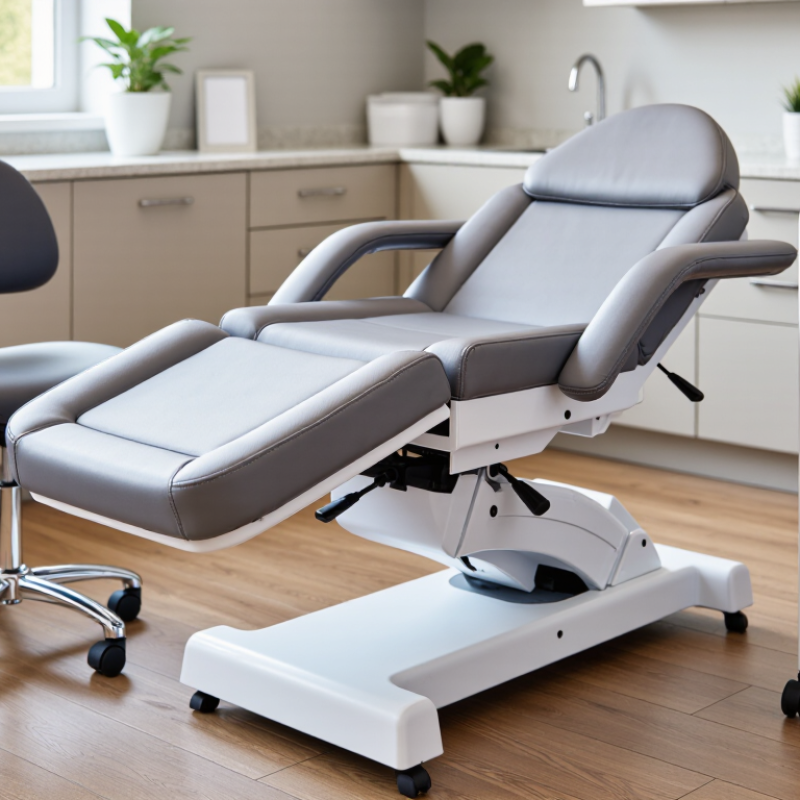
Identify Your Salon’s Lash Services and Workspace Needs
Before choosing lash furniture, list the services you actually offer: classic extensions, volume sets, lifts, or brow add-ons. Each service changes the setup. Extension work often needs a stable reclining bed, adjustable task lighting, and a stool that lets you sit with relaxed shoulders. Lash lifts may call for a washable tray and easy access to small supplies. Plan around your typical appointment mix, not just your most elaborate service.
Measure the room with the bed fully reclined and the technician seated. Leave enough space to move around the client without bumping a trolley or stretching across a cord. Check where outlets, windows, and handwashing facilities sit before settling on furniture positions. A compact storage cart can keep tweezers, pads, and disposables close, but crowded shelves make restocking harder. Small details matter.
Choose surfaces that are easy to wipe between appointments, and test the bed’s height and adjustment controls in person when possible. A beautiful piece can still feel wrong after several hours of close work. One planning mistake is buying extra storage before tracking what gets used each day. For a week, note which tools you reach for and where you pause to search. Your layout may need another revision. That is normal. A practical setup should support steady work, client comfort, and clear movement through the room.
How to Choose Lash Furniture for Your Salon?
Identify your salon’s lash services and workspace needs. Typical service times vary by provider and client; these approximate ranges can help you plan bed comfort, storage access, and workstation turnover.
Longer appointments make an adjustable treatment bed, supportive technician stool, and within-reach tool storage especially useful. Shorter services may benefit from a layout that allows quick, easy cleanup between clients.
Measure the Room and Plan an Efficient Furniture Layout
Before choosing lash furniture, measure the room—not just its floor area. Record wall lengths, door swings, windows, outlets, and fixed cabinets. Sketch the treatment bed, stool, trolley, and storage to scale. Leave a clear route from the entrance to the bed. Painter’s tape on the floor can help you test the layout. Small details matter.
Allow room to recline the bed fully and move around it without twisting. A walkway around 30 inches wide may work in many compact rooms, but check your actual needs and local accessibility requirements. Keep the trolley on the technician’s working side, and place supplies within easy reach. It is easy to overestimate available space on paper. Try the layout in person before buying; a chair or cabinet can feel much larger once the room is set up.
Tips: Measure with doors open and furniture in its working position. Check outlet access and lighting angles. Take a few steps through the taped layout. If it feels cramped, it probably is. I’ve found that one extra storage unit can disrupt an otherwise sensible setup.
Compare Lash Beds, Technician Chairs, Carts, and Storage
Choosing lash furniture is a workflow decision, not just a styling choice. A lash bed should adjust smoothly and support the client without rocking; check its height with a technician seated beside it. If the headrest shifts during a service, even a quiet room can feel unsettled. Technician chairs need adjustable height, stable casters, and enough lumbar support for long appointments. The U.S. Bureau of Labor Statistics projects employment for skincare specialists to grow 10% from 2023 to 2033. That broader category is not a lash-specific forecast, but it signals why flexible service spaces matter. Small details matter.
Compare furniture by how it handles real tasks. A compact cart should keep tweezers, pads, and adhesive within reach, while separating clean tools from used items. Drawers that stick can interrupt a precise service. Storage should protect supplies from dust and direct light, with frequently used items placed between waist and shoulder height. OSHA’s ergonomics guidance recommends arranging work to reduce awkward postures and unnecessary reaching. Apply that principle to the whole station: test chair height, bed access, and cart position together before buying. A wide bed may feel luxurious, yet leave too little room to move. That trade-off is easy to miss in a showroom.
Assess Comfort, Adjustability, Hygiene, and Durability
How to Choose Lash Furniture for Your Salon?
A lash appointment can keep a client in one position for a long time, so comfort is more than soft padding. Look for a stable bed with supportive cushioning that does not feel hard after a short test. Ask someone to lie on it for at least ten minutes; check whether the headrest supports the neck without pushing the chin forward. Small details matter. Adjustable height can help technicians keep their shoulders relaxed and bring the client into a workable position. A movable backrest or head support may also suit different services, but only if the controls are easy to reach and lock securely. Too many adjustments can become a nuisance.
Hygiene depends on surfaces and daily routines. Choose upholstery that tolerates salon-appropriate cleaning products, and check seams, hinges, and crevices where residue can collect. Removable covers may help, though they need regular washing and a reliable fit. Follow the furniture maker’s care instructions rather than assuming every disinfectant is suitable.
For durability, inspect the frame, joints, weight rating, and warranty terms. Repeated height changes and daily cleaning can reveal weak fittings over time. A showroom test is useful, but imperfect; it cannot show how a bed will feel after months of appointments. I would compare practical upkeep costs, not just the purchase price.
Set a Budget and Plan for Delivery, Assembly, and Maintenance
Set a realistic budget for the full setup, not just the lash bed. Include the stool, task light, storage, delivery fees, assembly, and any tools you may need. Measure the treatment room and the route from the entrance to the work area. A bed that fits on paper may not pass through a narrow doorway. I learned that the hard way.
Tips: Ask for delivery dimensions and an estimated arrival window. Check whether assembly is included, and keep a small buffer for unexpected costs. Save care instructions where staff can find them.
Before ordering, consider how often each surface will need cleaning. Smooth, wipeable upholstery can make daily upkeep easier, while drawers or covered storage help keep tweezers and supplies orderly. Check the frame, adjustment controls, and stated weight capacity against your service needs. For assembly, confirm whether the furniture arrives in several pieces and whether you will need help lifting it. Plan around delivery day so packages do not block the treatment area. Maintenance is easy to overlook; set aside time to tighten loose fittings and inspect upholstery seams. My first budget missed these small tasks, and I had to revise it. A simple checklist can help you compare the real costs and care demands of each option.