

How to Choose the Best Muscle Stimulator Pads?

Choosing Muscle Stimulator Pads is not a small accessory decision. It affects how evenly current reaches the skin, how comfortable each session feels, and whether the electrodes fit your device. A pad that lifts at the edge or dries out too soon can interrupt a workout. Small details matter.

Clinical evidence offers useful context. Cochrane reviews of neuromuscular electrical stimulation examine results by health condition, treatment protocol, and outcome; they do not establish one pad shape or material as best for everyone. The FDA’s consumer information on electronic muscle stimulators also advises users to follow device instructions and pay attention to potential skin reactions. For equipment safety, IEC 60601-2-10 sets requirements for nerve and muscle stimulators. These sources point to a practical lesson: compare compatibility, electrode dimensions, adhesive type, and replacement guidance—not just package claims.

Electrotherapy educator Tim Watson’s published guidance emphasizes that treatment effects depend on appropriate application and clinical context. In paraphrase: choose electrodes for the intended use, not marketing promises. That is sensible, though it cannot replace advice from a qualified clinician when using stimulation for pain, injury, or rehabilitation. Start with the manufacturer’s specifications. Check connector type and pad size. Then consider how the material feels on clean, dry skin. This guide explains what to compare, which trade-offs deserve attention, and when a low price may cost more over time.
How to Choose the Best Muscle Stimulator Pads?

Understand Muscle Stimulator Pad Types and Device Compatibility

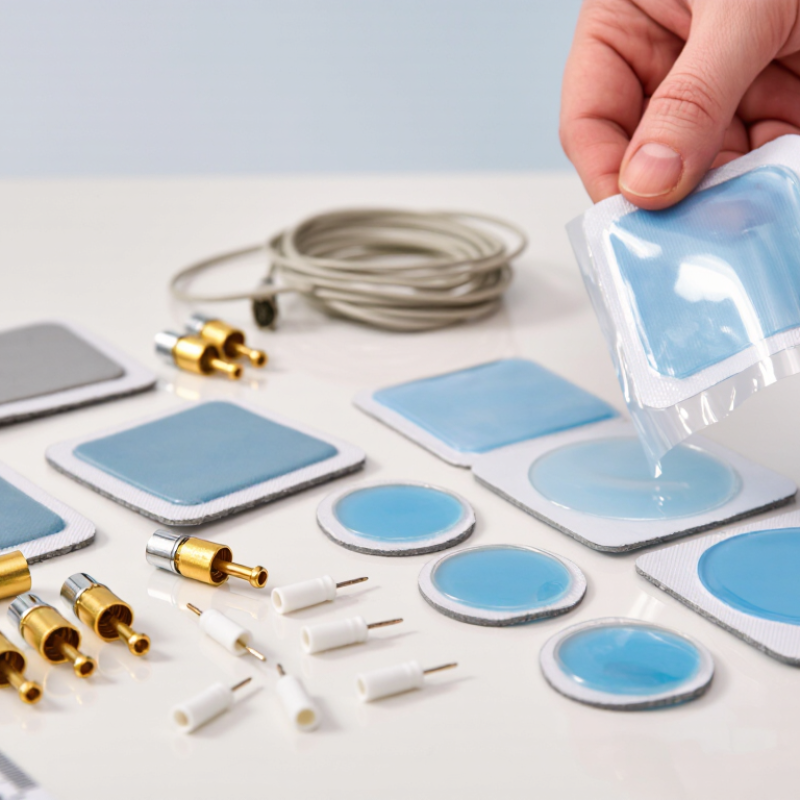
Muscle stimulator pads vary in shape, attachment, and adhesive type. Most use a conductive gel surface that sits directly on clean, dry skin. Larger pads can spread sensation across broad muscle areas, while smaller ones fit more precise locations. Shape alone does not determine whether a pad will work with your device.

Check the connector before buying. Some pads use snap fasteners; others connect through exposed pins or lead wires. The device manual should specify the connector style and suitable pad dimensions. Also confirm that the stimulator is designed for the pad type: TENS and muscle-stimulation settings are not automatically interchangeable. A matching plug is not enough. It is easy to miss that detail. Compatibility information can be unclear, so contact the device maker or a qualified clinician when specifications conflict.

Reusable gel pads may lose grip as dust, skin oils, and repeated use reduce adhesion. Replace pads that dry out, curl, or feel uneven. Clean and store them as directed, and do not use damaged pads. If you have an implanted electronic device or are unsure whether stimulation is appropriate, seek medical guidance before use.

One practical check: lay the pad beside the lead and compare both connectors in good light.

Choose Pad Size and Shape for Your Target Muscle

How to Choose the Best Muscle Stimulator Pads?
Choose Pad Size and Shape for Your Target Muscle

Match the pad to the muscle’s visible shape, not just the body area. A broad thigh muscle can usually accommodate a larger rectangular pad, while a small forearm muscle may need a compact one. As a practical starting point, compare common 5 × 5 cm pads with longer 5 × 9 cm pads, then check that the whole conductive surface sits flat on skin. A crease or lifted edge can make stimulation feel uneven. Small detail. Keep pads off joints and place them over the muscle belly, following the device instructions.

Pad area matters because current density is the current divided by the electrode’s contact area. Smaller pads concentrate current over less skin; larger pads spread it more widely. Maffiuletti and colleagues’ 2011 review in the European Journal of Applied Physiology notes that electrode size and placement affect neuromuscular stimulation outcomes. Still, bigger is not automatically better: an oversized pad may extend beyond the target muscle, while a tiny one can feel sharp or uncomfortable. Try a modest size, begin at a comfortable intensity, and reassess the fit during use. There is no perfect shape for every body, and sizing advice cannot replace medical guidance when you have a health condition.

How to Choose Muscle Stimulator Pad Size and Shape

Compare illustrative pad dimensions for different target areas. Larger pads may cover more surface area; always follow your device’s instructions for placement and pad compatibility.

Example dimensions: 5 × 5 cm, 5 × 10 cm, and 7.5 × 12.5 cm (approximately 2 × 2 in, 2 × 4 in, and 3 × 5 in). These are general size examples, not universal recommendations; the best size and shape depend on the device and target area.

Compare Electrode Materials, Adhesion, and Reusability

For muscle-stimulator pads, compare the conductive surface and adhesive together. Hydrogel pads usually feel soft and conform to curves such as the shoulder or calf. Conductive rubber or carbon-based surfaces may suit reusable designs, but comfort depends on the full pad construction, not just its material label. Look for even contact across the pad; a curled edge can create a sharp, irritating sensation during a session. Stop if the skin becomes painful or unusually red.

Adhesion should hold through movement without pulling skin when removed. Reusability depends on clean, dry skin, careful removal, and storage on the original liner in a sealed pouch. Dust, lotion, and repeated finger contact can shorten useful life. The exact number of uses varies, so treat “long-lasting” claims cautiously unless testing conditions are stated. Real life is messier. IEC 60601-2-10:2012+A1:2016 addresses safety and essential performance for nerve and muscle stimulators, though it does not set a universal pad-use count. WHO’s 2022 musculoskeletal-health fact sheet estimates that 1.71 billion people live with musculoskeletal conditions; it does not compare pads, but it highlights why consistent, comfortable contact matters. Avoid choosing by price or pad count alone. Check compatibility, skin comfort, and clear replacement guidance.

How to Choose the Best Muscle Stimulator Pads? — Compare Electrode Materials, Adhesion, and Reusability
Pad construction Electrical contact Adhesion and skin contact Reusability and care Advantages Limitations and suitable use
Conductive film with self-adhesive hydrogel
A common design for home TENS and EMS pads.
The conductive layer distributes current across the pad; the hydrogel helps maintain contact with the skin. Sticks directly to clean, dry skin without a separate strap. Adhesion can decrease when the gel collects lint, dries out, or is exposed to skin oils. Usually reusable for multiple applications. Replace when the pad no longer stays in place, the gel is damaged or dirty, or stimulation feels uneven. Store on its protective liner in a sealed pouch. Convenient to position and remove; typically does not require conductive gel or extra fixation. Gel condition and useful life vary with storage, skin preparation, frequency of use, and manufacturer instructions. Not suitable for use on broken or irritated skin.
Conductive textile with a conductive gel interface
Used in some textile or garment-style electrode designs.
Conductive fibers carry current through the electrode; a gel or moist interface may be needed to provide consistent skin contact. Often held in place by a garment, wrap, or strap rather than by a peel-and-stick adhesive layer. Textile components may be reusable, but cleaning and drying requirements depend on the design. Follow the supplied care instructions; do not assume the electrode itself is machine-washable. Can be useful when electrodes need to be secured over a larger area or integrated into wearable equipment. May require extra positioning or a separate contact medium. Check that the electrode and any connected garment are designed for the specific stimulator.
Conductive rubber or silicone electrode
Commonly used with a separate conductive medium and a means of securing the electrode.
Conducts current through the electrode surface; contact typically depends on conductive gel, a damp sponge, or another specified interface. Generally does not adhere to skin by itself. A strap, garment, or other compatible holder may be needed. The electrode can often be reused when kept clean and undamaged. Clean and store it according to its instructions; replace worn accessories or contact materials as directed. Durable electrode material and no self-adhesive gel layer to wear out. Less convenient for quick placement and may require additional supplies. Use only with equipment and contact materials specified for the electrode.
What to compare before buying Confirm that the connector and pad type are compatible with the stimulator. Choose self-adhesive pads for simple placement, or a secured electrode design if a strap or garment suits the application better. Look for clear storage, cleaning, and replacement guidance. Reusability is not unlimited. Check pad dimensions and the intended treatment area as well as material. Discontinue use if the pad is damaged or causes unusual discomfort, and follow the device instructions.
Note: Pad construction, adhesion, and service life differ across products. Actual reuse depends on the specific pad, skin preparation, handling, and storage; follow the product instructions rather than relying on a fixed number of uses.

Check Skin Comfort, Care, and Replacement Needs

Comfort and skin care are practical tests of whether muscle stimulator pads suit your routine. Before each session, check the contact surface for dust, lint, or dried gel. Wash and dry your skin fully; even a thin layer of lotion can weaken adhesion. Place pads on clean, intact skin, and follow the device instructions for positioning and session length. Small details matter.

Pay attention to how your skin feels during and after use. Mild, brief redness can happen, but burning, persistent itching, or a rash means you should stop using the pads and let your skin recover. Do not guess. If irritation continues, or you have reduced skin sensation or a skin condition, ask a healthcare professional before using them again. After use, remove pads gently rather than pulling quickly, then store them on their protective sheet in a cool, clean place. Replace pads when they no longer stick evenly, look cracked, or have dried gel; follow the maker’s stated replacement guidance. A pad that still looks usable may perform poorly, so appearance alone is not a perfect test. I would not stretch its life just to avoid replacing it.

Confirm Safety Features and Total Cost of Ownership

How to Choose the Best Muscle Stimulator Pads?

Confirm Safety Features and Total Cost of Ownership

Check the stimulator’s instructions and confirm that the pads match its connector and intended use. Look for clear guidance on placement, session length, and cleaning.

Safety matters. If you have an implanted electronic device, reduced skin sensation, or a health condition, ask a qualified clinician before use. Stop if you notice persistent redness, burning, or discomfort.

A quick skin check before and after each session can catch irritation early.

Compare the full cost, not just the price on the package. Reusable pads may need replacing when they lose adhesion, feel dry, or no longer make even contact. Check how many pads are included, whether replacement sizes are easy to find, and whether compatible lead wires cost extra.

Keep the pads clean and store them on their backing sheet; heat and dust can shorten their useful life.

I have found that “reusable” can mean fewer uses than expected, depending on skin and care.

Tips:

Note the purchase date and replacement cost. Inspect pad edges for lifting before each session. Don’t share used pads, and follow the manufacturer’s cleaning directions. If instructions are vague, pause and seek reliable guidance before using the device.

Scroll to Top