How to Choose the Best Sink Drain for Your Kitchen Needs?
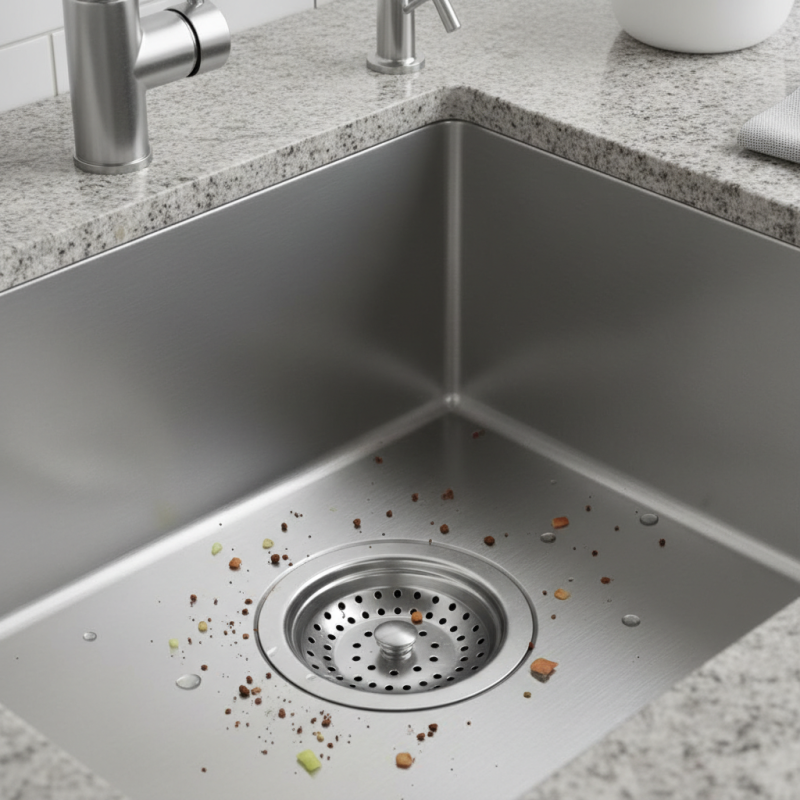
Choosing the right Sink Drain for your kitchen is crucial. It impacts functionality and convenience daily. A well-selected sink drain ensures effective waste disposal and prevents clogs. Yet, many overlook this detail.
When considering a sink drain, various factors come into play. The size, material, and design should align with your sink type. For instance, a larger drain might handle food waste better. The wrong choice can lead to frequent plumbing problems. This is frustrating and costly. Hence, understanding options is vital.
Not all drains are created equal. Some may corrode over time, while others offer better longevity. Researching brands and reading reviews can enhance your decision-making. Investing time now may save you headaches later. The right sink drain is not just about aesthetics; it’s about practicality and reliability. Your kitchen deserves no less.
Factors to Consider When Selecting a Kitchen Sink Drain
Choosing the right sink drain for your kitchen can seem daunting. There are multiple factors you should keep in mind. Material is crucial. Stainless steel drains are durable and resistant to rust. Plastic options are lighter but may not last as long. Consider how often you cook. If you use your kitchen frequently, a more robust drain might be necessary.
Another important aspect is the size of the drain. Standard sinks usually fit 3.5-inch drain openings. If your sink is different, make sure to measure accurately. Compatibility with your plumbing system is key too. Avoid buying a drain that doesn’t align with your current setup.
You should also think about maintenance. Some drains are easier to clean. A design that prevents clogs will save time and frustration. Reflect on your kitchen habits. Are you often cooking with lots of grease or food scraps? A strainer can be a helpful addition for preventing buildup over time. This is not just about functionality; it's about ensuring a smoother cooking experience.
Understanding Different Types of Sink Drains Available in the Market
When selecting a sink drain for your kitchen, it’s essential to understand the various options available on the market. There are several types that cater to different kitchen needs and styles. The most common types include pop-up drains, basket strainers, and continuous flow drains. Each type has its unique features suited for different tasks.
Pop-up drains are convenient. They allow for easy opening and closing with a simple push. This feature minimizes mess when washing dishes. On the other hand, basket strainers are practical for catching food debris. They can be easily removed for cleaning. Continuous flow drains, less common in residential settings, are designed for seamless drainage during food prep. These options come with pros and cons that require careful consideration.
While many factors influence your choice, installation is crucial. Not every drain fits every sink. Assess compatibility before purchasing. Also, consider how often you'll use the drain. Frequent cooks may need a more durable option. Reflect on your kitchen habits. This decision can make a significant difference in daily operations and maintenance requirements.
Assessing Material Durability: Plastic vs. Metal Sink Drains
When choosing a sink drain for your kitchen, material durability is a critical factor. Plastic and metal sink drains each have distinct advantages and drawbacks. According to a report by the Kitchen and Bath Association, plastic drains are often more affordable but may lack longevity. They are susceptible to staining and can warp over time, especially in high-temperature environments. This can lead to leaks, requiring replacements more frequently.
On the other hand, metal drains, such as stainless steel, provide superior durability. A study from the National Association of Home Builders highlights that metal drains have a lifespan of 30 years or more with proper maintenance. They resist corrosion and can handle heavy usage, making them a popular choice among homeowners. However, metal options are generally more expensive upfront. The initial cost could pose a barrier for budget-conscious buyers.
Both materials have their challenges. Plastic drains may seem like a good deal but can lead to more expenses down the line. Metal drains promise durability but might not suit every budget. Homeowners should weigh these factors based on their specific kitchen needs and maintenance capabilities. It’s an essential deliberation where both immediate cost and long-term value play significant roles.
Analyzing Flow Rate: Importance and Industry Standards
Understanding flow rate is crucial when choosing a kitchen sink drain. The flow rate measures how much water can pass through the drain in a given time. This metric influences how quickly a sink can drain, which is essential for busy kitchens. A drain with a higher flow rate helps prevent water pooling and keeps your workspace clean.
Industry standards typically suggest a minimum flow rate of 1.5 gallons per minute for kitchen sinks. However, many drains can achieve rates between 2.0 to 3.0 gallons per minute. Factors like pipe size and drain design significantly impact these rates. It's vital to consider these elements when selecting a sink drain.
Moreover, not all sinks are created equal. Some might struggle to keep up with higher flow rates, leading to clogs. A drain that works well with one sink may not perform adequately with another. Keeping these variations in mind can help avoid costly plumbing issues later. Understanding your specific kitchen needs will guide you in selecting an appropriate drain.
Flow Rate Analysis of Kitchen Sink Drains
This chart illustrates the flow rates (in GPM - gallons per minute) of various types of kitchen sink drains according to industry standards. Understanding these flow rates can help you choose the best option for your kitchen needs.
Compatibility with Kitchen Sink Types and Plumbing Systems
When choosing a sink drain for your kitchen, compatibility is key. The type of kitchen sink you have dictates the drain you will need. For instance, a double bowl sink requires a different drain configuration than a single bowl. According to the American Society of Plumbing Engineers, understanding your sink type is crucial for effective drainage and maintenance.
Proper alignment with plumbing systems is another essential aspect. A standard kitchen sink drain typically has a diameter of 1.5 inches, but some systems may require a 2-inch drain. Data from the Plumbing-Heating-Cooling Contractors Association shows that incorrect sizing can lead to clogs and slow drainage. Consider the material of both your sink and plumbing as well. Stainless steel sinks often require specific types of drains for optimal performance.
Many homeowners overlook the importance of the drain assembly. Every component must work together for optimal function. While a universal drain may seem convenient, it might not fit perfectly in every scenario. Inconsistent installation can increase the risk of leaks. Selecting a drain that matches your specific sink type is critical for long-term reliability. Always consult with plumbing professionals to ensure that your choices align with local plumbing codes and your kitchen's specific needs.