
What Are the Best Vinyl Tiles for Flooring?

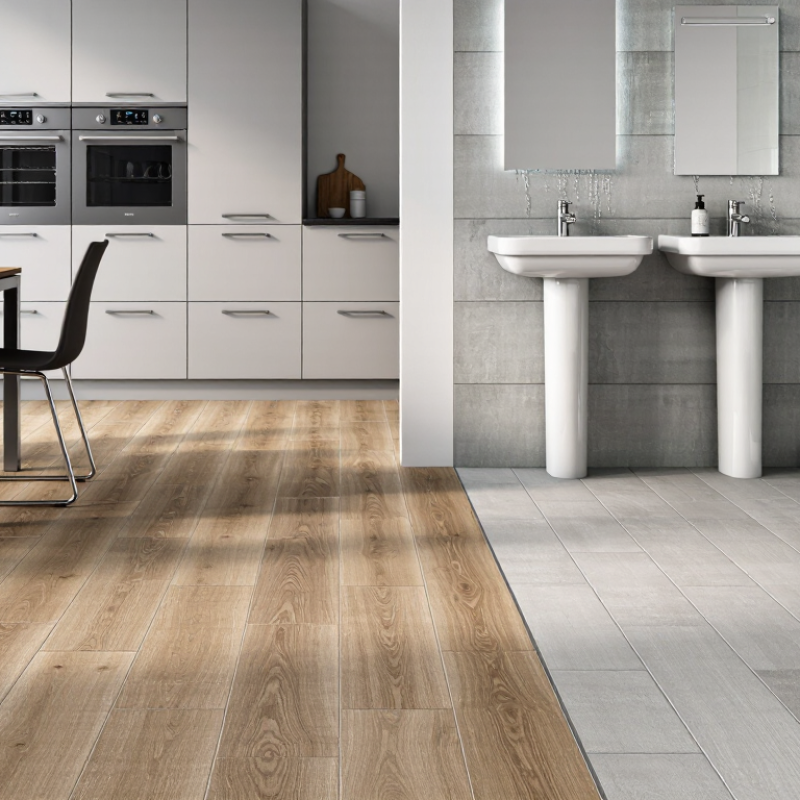
Choosing new flooring can feel simple until you compare wear layers, installation methods, and surface finishes. Vinyl Tiles offer a wide range of looks, from pale oak patterns to cool stone effects, often with easier upkeep than natural materials. But appearance alone is not enough.

A busy kitchen faces dropped utensils, chair legs, and frequent spills. A small bathroom has different demands, especially around seams and standing water. Water resistance varies by product, so check the manufacturer’s specifications rather than relying on a broad label. Small details matter. Thickness, wear-layer rating, texture, and locking or adhesive systems can all affect how a floor performs and feels underfoot. Subfloor preparation matters too; uneven areas may show through some installations.

This guide explains what to compare when choosing Vinyl Tiles for different rooms and budgets. It looks at durability, comfort, cleaning, installation, and realistic design options. You’ll find practical questions to ask before buying, such as whether the product suits your room and whether professional fitting is recommended. Not every tile is right for every home. Even a convincing wood effect may look different in changing daylight, and budget products can have trade-offs. That deserves a second look. By weighing product details against your household’s needs, you can make a more confident choice without expecting any flooring to be completely maintenance-free.
What Are the Best Vinyl Tiles for Flooring?

Classify Solid Vinyl Tile Using ASTM F1700’s 3 Product Classes

ASTM F1700 groups solid vinyl tile into three product classes: monolithic, surface decorated, and inlaid. These labels describe how a tile’s color and pattern are made, not a simple ranking of quality. That distinction matters when comparing samples under bright kitchen lights or beside a busy entryway.

Class I, monolithic tile, has color and pattern distributed through its thickness. A small scratch may be less visually obvious if it reaches below the surface, though appearance still depends on the tile and the damage.

Class II, surface decorated tile, uses a decorative layer beneath a clear wear layer. It can reproduce detailed designs, such as stone veining, but the visible finish depends on the condition of that upper layer.

Class III, inlaid tile, uses colored vinyl pieces incorporated into the tile’s wear layer to create its pattern. The pattern can remain visible as the surface wears, but performance varies by construction.

Look beyond the class name. Check the product’s technical data for thickness, wear-layer details, and suitability for the room’s traffic and subfloor. A sample can look convincing in a showroom, then feel different underfoot at home. I would compare actual samples in the room’s lighting and ask how the stated construction relates to expected use. The class helps clarify what you are buying; it cannot answer every practical question.

Compare 12-Mil and 20-Mil Wear Layers for Residential and Commercial Use

What Are the Best Vinyl Tiles for Flooring?

The right wear layer depends on how a room is used. A 12-mil layer is often suitable for bedrooms, home offices, and other areas with moderate foot traffic.

“Mil” means one-thousandth of an inch; it describes the clear protective layer, not the tile’s total thickness. For a household with pets or frequent visitors, consider how often grit and small stones get tracked indoors.

A 20-mil wear layer is generally a stronger choice for busy entryways, shared spaces, and many light commercial settings. It offers more material to resist everyday abrasion, but it does not make a floor scratch-proof.

That matters. Furniture legs, rolling loads, and sharp debris can still mark the surface, so use suitable pads and clean grit promptly. Check the product’s stated use and warranty conditions rather than relying on thickness alone.

The mil number is only one part of the decision. Tile construction, installation quality, subfloor flatness, and cleaning habits also affect performance. A thicker layer may cost more, and it can be unnecessary in a quiet room. Not always. Compare samples under your actual lighting, and ask whether the manufacturer rates the tile for residential or commercial traffic. A small sample cannot show how a whole floor will wear, so expectations should stay realistic.

Assess Water Resistance, Wear, and Repairability Across LVT, VCT, and SPC

Choosing vinyl flooring means weighing more than appearance. LVT has a printed design layer and a protective wear layer, with thickness varying by product. It handles everyday spills well, but water can pass through loose seams and reach the subfloor. Wipe spills promptly. In a busy kitchen, check the wear-layer rating and follow the maker’s cleaning guidance; abrasive pads can dull the surface. A damaged LVT plank may be replaceable, though matching an older color can be difficult.

VCT is usually less water-resistant and needs regular polishing to protect its more porous surface. Its advantage is practical repair: individual tiles can often be lifted and replaced, provided spare tiles remain available. SPC has a dense, rigid core that tolerates moisture well, but its click joints are not a guarantee against standing water. A cracked plank may require careful disassembly from a nearby wall, rather than a simple patch. That can be frustrating. Wear resistance depends on the surface layer and installation, not just the product category. I would compare sample tiles under the same light and inspect their edges; small differences there can matter more than showroom photos suggest.

Check FloorScore Certification: Testing Covers 35 VOCs

When comparing vinyl tiles, look beyond wear layers and color samples. FloorScore certification is a useful indoor-air-quality check: testing covers 35 volatile organic compounds (VOCs) under a controlled emissions protocol. That matters. A tile may look clean and still release chemicals into room air after installation.

The U.S. Environmental Protection Agency’s Total Exposure Assessment Methodology studies found indoor levels of several common organic pollutants were often two to five times outdoor levels. That finding does not mean every vinyl floor creates a problem, but it makes emissions data worth checking. Ask whether the certified product is the exact tile you plan to buy, and whether the installation adhesive is included in the assessment. Not zero. Certification indicates emissions meet criteria; it does not mean a product emits nothing. California’s Department of Public Health standard method uses chamber testing to evaluate product emissions, offering a more useful comparison than vague “low-VOC” wording. I would still ventilate well during installation and follow the flooring maker’s acclimation instructions. Small details matter, and I might overlook them when choosing only by color.

Match Tile Format and Installation Method to the Room and Subfloor

The best vinyl tile depends on room shape, traffic, and subfloor condition. Small tiles can make narrow bathrooms easier to lay out around pipes and corners. Larger formats create fewer seams, but they reveal dips more clearly. For busy kitchens, rigid click-lock tiles can speed installation; glue-down tiles often suit rooms where rolling loads or frequent movement may stress floating joints. Check the product instructions before choosing. Not every format fits every floor.

The subfloor matters more than a tile’s appearance. Concrete should be clean, sound, and tested for moisture; ASTM F2170 measures relative humidity inside concrete slabs. Its probe placement is typically 40% of slab depth when the slab dries from one side, and 20% when it dries from both sides. ASTM F710 also provides guidance for preparing concrete before resilient flooring installation. Follow the flooring maker’s moisture limits, since the test method itself does not set one universal pass value. Wood subfloors need secure panels and smooth seams. Even a slight ridge can show through thin tiles. A practical check: drag a straightedge across the floor and mark low spots before installation. I would not skip this, even when the surface looks flat. One uneven patch can spoil an otherwise careful layout.

What Are the Best Vinyl Tiles for Flooring? — Match Tile Format and Installation Method to the Room and Subfloor

Vinyl Tile Format Typical Installation Method Subfloor Requirements Best-Suited Rooms Advantages Important Considerations
Glue-down luxury vinyl tile (LVT) Tiles are bonded to the subfloor with the adhesive specified for the product. Must be clean, dry, smooth, and flat. Concrete may need moisture testing; uneven areas and cracks generally need repair before installation. Kitchens, entryways, commercial spaces, and rooms with frequent rolling loads or heavy foot traffic. Individual tiles can often be replaced; the adhered floor stays in place and does not rely on a floating locking system. Installation is sensitive to subfloor preparation and adhesive conditions. Follow the flooring and adhesive instructions, including acclimation and moisture limits.
Click-lock rigid-core vinyl tile Tiles connect at the edges to form a floating floor; they are not normally glued to the subfloor. Needs a clean, stable, flat subfloor within the product’s stated tolerances. A rigid core does not eliminate the need to correct significant dips or bumps. Living rooms, bedrooms, kitchens, and other areas where a floating installation is suitable. Usually installs without full-spread adhesive and can be removed more readily than a fully bonded floor. Allow the required expansion space at walls and fixed objects. Water can pass through joints or edges, so follow the product’s guidance for wet areas and spills.
Loose-lay vinyl tile Tiles are laid on the prepared floor; some products use perimeter or supplemental adhesive, depending on the installation and room conditions. Requires a smooth, clean, dry, and stable surface. Dust, residue, unevenness, or movement can affect how well tiles stay in place. Smaller rooms and areas where a removable installation is desired, subject to the product’s room-size and use limits. Can be quicker to install than a full-spread glue-down floor, and damaged tiles may be easier to lift and replace. Not every loose-lay product is suitable for every room size or traffic level. Check whether perimeter fixing is required and whether the product is approved for the intended space.
Peel-and-stick vinyl tile Tiles have a pressure-sensitive adhesive backing; the release liner is removed before each tile is pressed into place. Needs an exceptionally smooth, clean, dry, and compatible surface. Existing flooring, paint, adhesive residue, and porous surfaces may require preparation or may be unsuitable. Small, relatively low-traffic areas and straightforward renovation projects when the substrate and room are approved by the instructions. No separate troweled adhesive is normally needed, and individual tiles can be installed one at a time. Adhesion can fail on dusty, damp, rough, or incompatible surfaces. Seams and edges are not automatically watertight; avoid assuming it is suitable for wet rooms without explicit approval.
Scroll to Top