How to Choose the Perfect Side Table for Your Space?
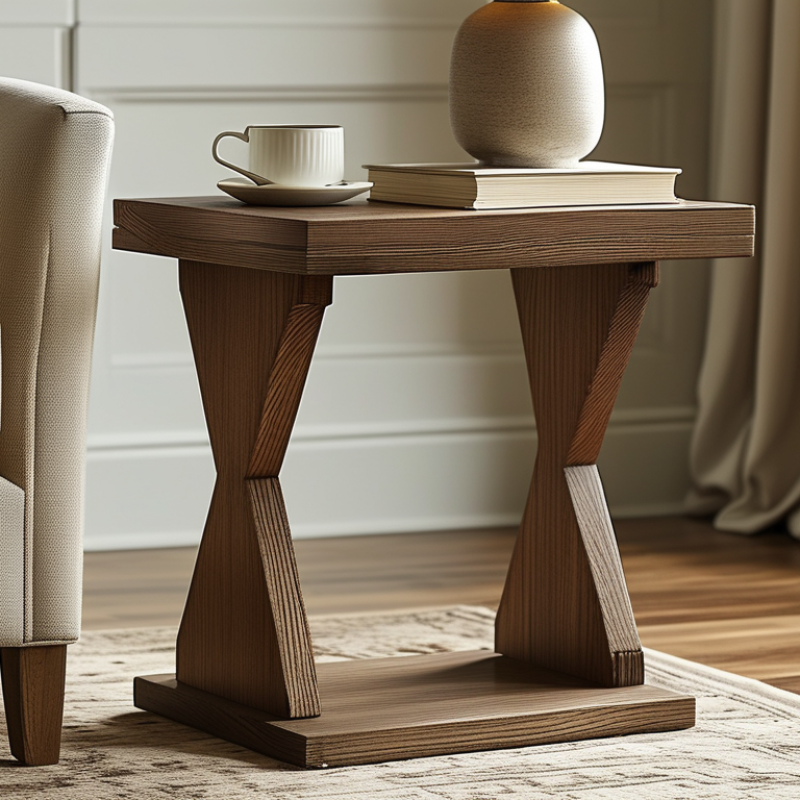
Choosing the perfect Side Table can transform your space. Renowned interior designer Sarah Johnson emphasizes, "A side table should reflect your style while being functional." The right side table provides convenience. It enhances the overall aesthetics of your room.
When selecting a side table, consider the size and shape. An oversized table in a compact room can feel clunky. On the other hand, a small table in a spacious area may look lost. The materials also play a significant role. Wood offers warmth, while metal brings a modern edge.
Moreover, think about the table's purpose. Will it hold a lamp, drinks, or books? This decision influences not only shape but also height. Remember, the style should align with existing décor. It's a delicate balance of function and design. Reflect on your choices to find a side table that truly fits your needs.
Understanding the Role of a Side Table in Your Space
Side tables serve more than just a decorative purpose. They play a crucial role in enhancing the functionality of any living space. Strategically placed, they provide convenience for placing drinks, books, or decor, making your environment more user-friendly. Imagine an evening spent relaxing with a good book; having that side table by your chair makes all the difference.
When selecting a side table, consider its size and shape in relation to your furniture. A large table may overwhelm a small room, while a tiny table can get lost in a spacious area. Think about your lifestyle. If you frequently entertain guests, opt for a table with extra surface area. The finish can elevate your decor, but don't overlook the materials. Wood offers warmth, while metal provides a modern touch.
Your choice of a side table can reveal much about your style and priorities. Sometimes, we lean towards aesthetic over practicality. This tendency can lead to frustration in daily use. Reflect on how a side table meets your needs. A perfect fit requires balancing beauty and function. Every detail counts in creating a harmonious space, even if the journey involves some trial and error.
Evaluating Size and Scale for Optimal Placement
Choosing the right side table involves careful consideration of size and scale. A side table that is too large can overwhelm a small room. Conversely, a table that is too small may get lost in the space. Measure your area before making a decision. A side table should stand at least the same height as your sofa’s arm to maintain visual balance.
Don’t forget about function. Think about what you will place on the table. If it’s primarily for drinks and snacks, ensure it has enough surface area. However, a decorative piece might require less space. Pay attention to how the side table interacts with surrounding furniture. Ideally, there should be about 12 to 18 inches between the side table and other seating.
Choosing materials and designs is also crucial. A glass table feels airy but might not be suitable for a cozy, rustic room. Similar considerations should be applied to colors and patterns. Remember, sometimes the perfect side table may not fit your initial vision. Reflection on your choices can guide you to a table that enhances your space beautifully.
Choosing the Right Material and Finish for Your Decor
Choosing the right material and finish for your side table can dramatically enhance your decor. Wood offers warmth and a timeless aesthetic. Oak and walnut are durable choices, ideal for a rustic look. If you prefer a sleek design, metal options can bring a modern flare. Steel or brass can add an industrial touch to your space.
Consider the existing color palette in your room. A table with a polished black finish can create a striking contrast against lighter walls. Glossy finishes tend to reflect light, making the space feel larger. Matte surfaces, on the other hand, might absorb light, lending a more intimate atmosphere. Think about how the material interacts with other elements in the room. A glass top could pair beautifully with wooden legs, balancing transparency and solidity.
Choosing a side table is also about personal taste. Reflect on how the material feels to you. Are you drawn to smooth, cold surfaces, or do you prefer warm, textured finishes? Each material tells a story. A weathered wood table may evoke a vintage charm, while a minimalist design might suggest a contemporary lifestyle. Finding the perfect material requires thoughtful consideration of your own aesthetic and practical needs.
Exploring Different Styles and Designs to Match Your Aesthetic
Choosing the perfect side table involves understanding various styles and designs. Each style can dramatically complement your room's aesthetic. For instance, a sleek, minimalist table boasts a modern appeal. A vintage piece, on the other hand, can inject character and history into your space. Consider the overall decor theme when selecting your table.
Tips: Think about the materials too. Wood, metal, or glass? Choose what feels right. Wood provides warmth; metal adds a contemporary touch. Glass can create the illusion of more space. Ensure the table's size fits well next to your sofa or chair. A too-large table can overwhelm the area, while a small one might seem lost.
Reflect on functionality as well. Do you need storage? An open shelf might be practical. If it's just decorative, focus on design. Adding a personal touch can make it truly unique. Remember, a side table is more than just a surface; it's an essential element of your space.
Considering Functionality and Versatility in Your Choice
Choosing the perfect side table involves careful thought about its functionality and versatility. A side table can serve multiple purposes—holding drinks, showcasing decor, or providing extra storage. Think about how you plan to use your side table daily. Will it be a bedside companion or part of your living room setup?
Tips: Measure your space. Ensure the table fits comfortably in the area without overwhelming it. A cramped space can feel chaotic. Consider height as well; the table should align well with your sofa or bed.
Material choice matters too. Wood offers warmth and durability. Metal brings a modern edge. Reflect on your existing decor. A mismatched side table can disrupt the harmony of a well-designed room. You might find yourself dissatisfied with the overall look. Explore different styles and colors. This exploration can feel daunting. However, don’t rush the decision.
Tips: Prioritize ease of movement if you rearrange furniture often. A lightweight side table can be a lifesaver. Look for designs that allow for flexibility. Look for storage options that keep your space tidy. Keeping clutter at bay enhances a room's atmosphere.