How to Choose Top Terracotta Floor Tiles Suppliers in China?
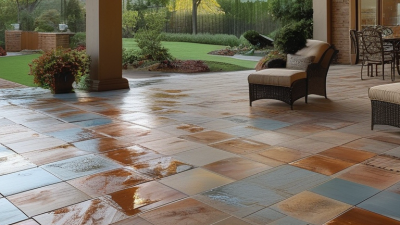
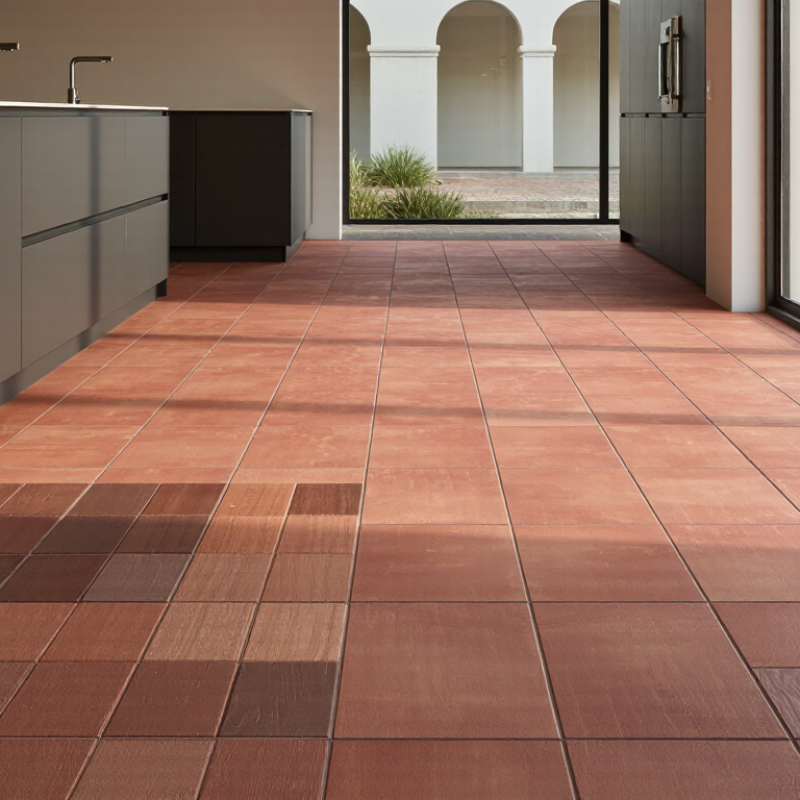
Terracotta Floor Tiles bring warmth and natural variation to kitchens, courtyards, hotels, and heritage-inspired spaces. Their earthy reds can shift subtly from one tile to another. But appearance alone cannot reveal whether a supplier can deliver consistent sizing, dependable packing, and repeatable batches. Even good samples can mislead.
Ceramic World Review’s 2024 industry survey reported global ceramic tile production of about 16.19 billion square meters in 2023. That figure covers ceramic tiles broadly, not terracotta alone. Still, it shows the scale of a market where buyers need clear specifications and careful supplier checks. Ask for recent batch samples, water-absorption test results, dimensional tolerances, firing details, and photographs of packed orders. Check whether the factory can explain shade variation before production begins. Small details matter.
Architect Glenn Murcutt’s principle, “touch the earth lightly,” offers a useful design lens for choosing natural materials. It is not a tile-specific buying rule. For procurement, the practical question is whether the supplier can match material character with documented quality control. A polished showroom is not enough. Request references, confirm lead times, and compare sample tiles with the stated product grade. Then check how the supplier handles breakage claims and replacement batches. A thoughtful choice balances color, performance, communication, and cost. No supplier is perfect; the best one makes limitations visible before they become expensive surprises.
Define Your Terracotta Floor Tile Requirements
Before contacting suppliers, define where the terracotta tiles will go. A kitchen, covered patio, and shower area face very different moisture and wear conditions. Record the room, expected foot traffic, exposure to water or frost, and preferred finish. Small details matter. Note the tile size, thickness, edge profile, color range, and acceptable variation. A neat sample can still mislead.
Ask suppliers for technical sheets and independent test results, not just photographs. Compare water absorption, slip resistance, abrasion performance, dimensional tolerance, and suitability for your climate. Terracotta is porous, so clarify whether sealing is required, what products are compatible, and how often maintenance may be needed. Request several tiles from different production batches; natural color variation can be wider than a sample suggests. It can be.
Durability and maintenance also shape a project’s environmental footprint. The 2023 Global Status Report for Buildings and Construction from UNEP and GlobalABC attributes 37% of global energy- and process-related CO2 emissions to buildings and construction in 2022. That figure is not tile-specific, but it supports asking suppliers about product lifespan, repairability, and packaging. I would not assume the cheapest tile is the best value; replacement and sealing costs are easy to overlook.
Understand Tile Materials, Finishes, and Quality Standards
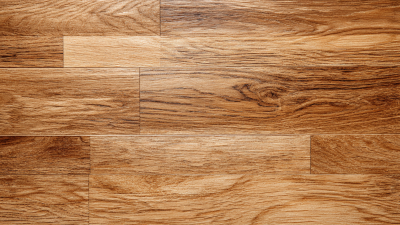
When comparing terracotta floor tile suppliers in China, look beyond color photos. Terracotta is fired clay, and its natural pores can absorb water and stains. Ask whether tiles are sealed at the factory or require sealing after installation. Request samples from the actual production batch, then inspect them in daylight. Small shade shifts are normal; a showroom sample may not show the full variation. That matters.
Finish affects both appearance and daily use. Unglazed tiles often feel earthy and show more natural variation, while surface treatments may make cleaning easier. Ask for the intended use, recommended grout, and maintenance instructions. For kitchens or bathrooms, request test data for water absorption and slip resistance under relevant testing standards. Confirm how results apply to the specific finish, not just the clay body. Numbers without test methods are hard to compare.
Tips: Order several pieces and place them on the floor together. Check thickness, edge consistency, surface marks, and color variation. Request written quality criteria and a recent inspection report covering dimensions and defects. Confirm packaging and replacement procedures before shipment. A supplier’s answers may sound polished, yet details can remain vague; ask again, and keep the response in writing.
Verify Supplier Experience, Factory Capacity, and Certifications
A supplier’s years in business matter less than relevant production experience. Ask how long they have made terracotta floor tiles, and request dated project records, export references, and photographs of installed floors. Compare those images with current samples. Check thickness, edge shape, and surface tone. Natural clay varies, but unexplained batch differences deserve questions. A glossy showroom can still mislead. Ask for records.
Check factory capacity against your order, not just the supplier’s stated monthly output. During a visit or live video tour, look at kiln size, drying areas, and quality-control stations. Ask how peak-season orders affect lead times, and whether replacement tiles can match the original batch. Then review certificates and test reports. Confirm the issuing body, covered factory, product type, and expiry date. For performance claims, request reports for the specific tile, including water absorption and slip resistance where relevant. Paperwork is not a guarantee. No checklist removes every risk; firing conditions can still shift a batch, and I would leave room for that uncertainty.
How to Choose Top Terracotta Floor Tile Suppliers in China
Suggested 100-point due-diligence score allocation—not market survey data.
Request verifiable evidence for each area: production records and export references for experience; equipment, output capacity, and lead times for factory capability; current certificates with a matching scope for compliance; and inspection records and batch traceability for quality control. Confirm claims directly before placing an order.
Compare Product Samples, Pricing, and Shipping Terms
When comparing terracotta floor tile suppliers in China, request samples from the actual production batch, not only showroom pieces. Check thickness with calipers, inspect chipped edges, and compare color in daylight and warm indoor light. Natural clay varies. Ask for the stated size tolerance, water-absorption test results, and recommended sealing method. A test method such as ASTM C373 may help assess absorption, where applicable. Small details matter.
Compare written quotes using the same tile dimensions, quantity, packing method, and named delivery point. Ask whether prices include export packing, inland transport, port charges, and ocean freight. UNCTAD’s Review of Maritime Transport 2024 reported that container spot rates rose 122% between December 2023 and June 2024. That historical change shows why a freight quote needs a date and validity period. A low unit price may not mean a low landed cost.
Request the proposed shipping terms in writing, including the Incoterm, loading port, estimated production time, and shipment schedule. Check how many tiles are packed per crate and whether spare tiles are included. Ask for recent packing photos; a neat sample can still arrive with corner damage. I would double-check the figures, too. A spreadsheet can miss fees that appear only after booking.
Evaluate Communication, Warranty, and After-Sales Support
When comparing Chinese terracotta floor tile suppliers, assess responsiveness before discussing price. Ask for a named contact, a realistic reply time, and written confirmation of tile size, finish, shade range, and batch number. A useful response distinguishes natural variation from defects and includes photos taken in neutral light. Details matter. The 2023 State of the Connected Customer report found that 65% of customers expect companies to adapt to changing needs and preferences. Apply that expectation practically: can the supplier explain how it handles late shipments or mixed-batch concerns?
Examine warranty terms closely. Request the coverage period, exclusions, claim evidence, and remedies in writing. Clarify whether cracking, surface wear, shade variation, or installation damage is covered. Ask which test records support performance claims, and confirm they match the specific product and production batch. A vague “quality guarantee” is not enough. The 2018 Future of Customer Experience survey reported that 32% of consumers would stop buying from a brand they loved after one bad experience. A difficult warranty claim can create exactly that frustration.
After-sales support should state who arranges replacement tiles, covers freight, and responds to claims. Ask how many spare tiles to retain and request a sample claim workflow before paying a deposit. It should list required photos, packaging labels, and decision timelines. Keep emails and approved samples together. I would still check every promise against the contract; a friendly call is not evidence. Some details get missed.