

What Is a Container Unit and What Types Are Available?

A Container Unit is a durable, enclosed space designed for transport, storage, or temporary use. Its role depends on its construction, dimensions, access points, and intended setting. Some units move between trucks, ships, and rail systems; others stay on a site as storage or workspace. The name sounds simple. In practice, suppliers may use terminology differently, which can confuse first-time buyers. A careful comparison starts with specifications, not just labels.

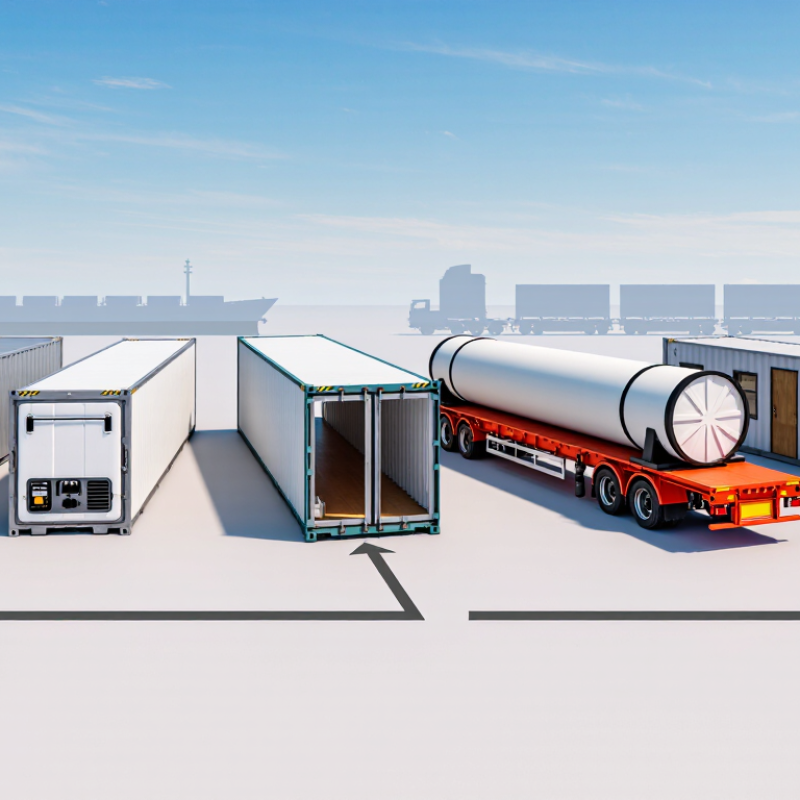
Common types include standard dry containers, refrigerated units, open-top containers, flat racks, and modular units. Dry containers protect general goods from weather. Refrigerated units control temperature for suitable products, while open-top models allow loading from above. Flat racks accommodate certain oversized loads, and modular units can serve as site offices or similar spaces. No single type suits every task. Size, door clearance, ventilation, insulation, floor condition, and placement all matter. A unit that fits on paper may be difficult to access once positioned beside a building or fence. Small details matter.

Before choosing, confirm the unit’s internal and external dimensions, condition, and equipment requirements with a qualified supplier. Specifications can vary by model and provider. Ask how the unit will be delivered, where it can safely sit, and whether its features match the intended use. Those checks are not glamorous, but they prevent avoidable surprises. The right choice is usually the one that meets the real operating needs, not simply the one with the most features.
What Is a Container Unit and What Types Are Available?

What Defines a Container Unit?

A container unit is a self-contained space built to hold, protect, or move goods. Its defining features are its frame, walls, floor, roof, and access points. Together, these parts create a usable interior with measurable length, width, and height.

Not just a box.

A unit’s construction also affects how much weight it can carry and how well it handles moisture, impact, and repeated handling.

The exact meaning can vary by use. A storage unit may prioritize secure doors and easy access, while a transport unit needs a strong frame and lifting points. Some units are insulated or refrigerated; others have open sides or removable sections for specific cargo.

Check the stated internal dimensions, not only the exterior size. Door openings can be narrower than expected, and interior fittings may reduce usable space. Small details matter.

Tips

Measure the largest item, including handles or packaging, before choosing a unit. Confirm the floor’s load rating and inspect seals, corners, and hinges. Specifications can be incomplete, so ask how measurements were taken. A quick visual check helps, but it does not replace written capacity details.

How Container Units Are Built and Standardized

A container unit is a load-carrying structure built to move between ships, trains, and trucks. Many freight containers follow international dimensional standards, which help lifting equipment handle them consistently. Common forms include general-purpose dry units, refrigerated units, open-top units, and flat-rack units. Each serves a different cargo or loading need.

Construction starts with a strong steel frame, corner castings, wall panels, a floor, and doors. The corner castings provide standardized points for lifting and securing the unit. Corrugated steel panels add strength without making every wall a solid slab. Floors are often made from treated timber or other durable materials, supported by cross-members beneath. Refrigerated models add insulated walls and a powered cooling system. Details vary by size and design.

Standards specify key dimensions and strength requirements, but they do not make every unit identical. Internal measurements can differ because of wall thickness, insulation, or repairs. That matters when checking whether a pallet or machine will fit. Small details count. A door opening may be narrower than the container’s interior. Inspection also matters: dents, worn seals, or a weakened floor can affect performance. Standards provide a common framework, not a guarantee that every older unit remains in equal condition.

What Is a Container Unit and What Types Are Available? — How Container Units Are Built and Standardized
Container Type Typical Nominal Size Approximate External Dimensions (L × W × H) Construction and Typical Use Standards and Important Notes
General-purpose (dry) container 20 ft 6,058 × 2,438 × 2,591 mm Enclosed steel unit with corrugated side and end walls, a framed roof, cargo doors, and a timber or composite floor. Used for dry, packaged cargo. Common standard size under ISO 668. A typical external size designation is 1CC; exact type and rating are shown on the container’s identification plate.
General-purpose (dry) container 40 ft 12,192 × 2,438 × 2,591 mm Built with the same basic structural elements as a 20 ft dry unit, with a longer cargo space. Used for general freight and palletized goods. Common ISO 668 standard size. Internal dimensions, tare mass, and maximum payload vary by design and manufacturer.
High-cube container 40 ft 12,192 × 2,438 × 2,896 mm A dry container with additional height, providing more internal volume for bulky or lightweight cargo. Typically 305 mm taller externally than a standard-height unit of the same length. Confirm available clearance on the transport route.
Refrigerated container (reefer) Commonly 20 ft or 40 ft Usually based on standard ISO length and width; height varies by model Insulated walls, floor, and roof; a refrigeration unit; and a T-shaped floor or similar air-distribution system. Used for temperature-controlled cargo. External dimensions follow common ISO envelope sizes, but insulation and machinery reduce usable internal space. Temperature range and electrical requirements are model-specific.
Open-top container Commonly 20 ft or 40 ft Usually based on standard ISO dry-container length, width, and height Has a removable tarpaulin roof or detachable roof bows instead of a fixed steel roof. Suitable for cargo loaded from above or cargo that is too tall for door loading. Typically uses standardized corner fittings and structural dimensions. Permitted loads and lashing arrangements depend on the unit’s rating and approval plate.
Flat-rack container Commonly 20 ft or 40 ft Usually based on standard ISO length and width; end-wall configuration varies Heavy-duty floor and end frames, with fixed or collapsible end walls and no full side walls or roof. Used for oversized, heavy, or irregularly shaped cargo. Securing points and allowable concentrated loads vary by model. Cargo must be restrained within the unit’s marked limits.
Tank container Commonly 20 ft frame Typically fits a 20 ft ISO frame envelope: about 6,058 × 2,438 mm; overall height varies A pressure-rated tank mounted in a protective frame with corner fittings. Designed to carry liquids, gases, or powders, depending on the tank specification. Tank design, pressure rating, materials, and inspection requirements depend on the cargo and applicable transport regulations; the frame follows intermodal dimensions.
How a container unit is built Modular intermodal unit Uses standardized outer dimensions and corner-fitting locations Typically assembled from a steel base frame, corner posts, top and bottom side rails, wall panels, roof, floor, and doors. Corner castings allow lifting, stacking, and securing. ISO 668 defines principal dimensions and ratings for series 1 freight containers. ISO 1161 covers corner and intermediate fittings; ISO 1496 covers container specifications and testing by type.
Safety approval and operating limits Applies to approved freight containers Refer to markings and the container’s data plate Each unit has a unique identification number and markings that can include maximum gross mass, tare mass, and maximum payload. The International Convention for Safe Containers (CSC) establishes safety approval and examination requirements. Actual payload must not exceed the marked limit or applicable vehicle and route limits.

How Container Units Are Measured and Classified

A container unit is commonly measured by its outside length, width, and height, while capacity is described in cubic metres. The twenty-foot equivalent unit, or TEU, provides a standard comparison: one twenty-foot container equals one TEU, and a forty-foot container equals two. These are nominal lengths, not promises of usable space. Internal measurements are smaller because walls, doors, and floor fittings take room.

That matters.

Two containers with the same nominal size may have slightly different internal dimensions, so check the equipment specification before planning a load. Classification usually starts with length and height: common options include twenty-foot and forty-foot units, with high-cube versions offering extra height. Other types are grouped by construction or function, such as refrigerated units with insulated walls, open-top units for top loading, and flat racks for unusually wide or heavy cargo.

Each type changes the usable dimensions and handling requirements. A tape measure can settle a close fit, but it cannot reveal every clearance issue around a doorway or fitting. Labels help, but they can feel more exact than the real unit. Verify the stated dimensions and capacity for the specific container.

What Types of Container Units Are Available?

Container units come in several designs, each built for a different kind of cargo. Standard dry containers have enclosed walls and doors at one end. They suit boxed goods, furniture, and equipment that needs protection from rain and dust. High-cube units offer extra interior height, useful for tall or bulky loads. The difference is noticeable when loading cabinets or stacked cartons.

Refrigerated containers, often called reefers, control temperature for goods that must stay chilled or frozen. Their cooling equipment needs a suitable power source, and the cargo still needs proper airflow. Open-top units have a removable roof, making them practical for items loaded by crane. Flat-rack units have end walls but open sides, so they can carry wide machinery or long materials. Not every load fits neatly.

Tank containers hold liquids or gases in a secured vessel within a frame. Side-opening units provide wider access than standard doors, which can help when loading long items. Choosing a type depends on dimensions, weight, loading method, and environmental needs. A unit’s condition matters too: inspect door seals, floors, and ventilation before use. Small defects can become costly surprises. A high-cube container may seem ideal, yet its floor rating or door opening could still limit the load.

How Container Types Suit Different Cargo and Uses?

A container unit is not simply a box; its structure affects loading, protection, and handling. Standard dry containers suit cartons, furniture, and palletized goods that need weather protection. High-cube units add roughly one foot of height, useful for light, bulky cargo. The fit matters: a tall load can still exceed door clearance.

Temperature-sensitive goods need refrigerated containers, or reefers, with controlled airflow and set points. The Global Cold Chain Alliance’s 2024 Global Cold Storage Capacity Report estimates worldwide refrigerated storage at 719 million cubic metres in 2023. That figure signals the scale of temperature-controlled logistics, but it does not mean every shipment needs a reefer. A stable, tested temperature plan matters more than the label.

Open-top units accommodate cargo loaded from above, while flat racks suit wide or unusually shaped equipment. Tank containers are designed for bulk liquids and gases, subject to cargo and equipment specifications. UNCTAD’s Review of Maritime Transport 2024 reports 858.9 million TEUs of global container-port throughput in 2023, reflecting the scale of standardized container movement. Yet choosing a type by cargo name alone can mislead; dimensions, weight, loading method, and route conditions all matter. Not always obvious. A quick measurement before booking can prevent a costly mismatch.

What Is a Container Unit and What Types Are Available?

Approximate internal volume by container type (cubic metres)

How to choose: Standard dry containers suit boxed, palletized, and general cargo. High-cube containers provide extra height for bulky loads. Refrigerated containers are designed for temperature-sensitive goods.

Volumes are approximate typical internal capacities; dimensions vary by container design. Check the specific unit’s specifications before loading.

Scroll to Top