

Why Choose Cotton Bed Covers for Your Home?

A Cotton Bed Cover can make a bedroom feel softer and more inviting without adding complicated care routines. Cotton is a natural fiber that usually feels breathable against the skin and absorbs some moisture during sleep. The exact feel depends on the weave, fabric weight, and finish. Percale often feels crisp; sateen tends to feel smoother. Small details matter. A cover that feels comfortable in a cool shop may feel different after repeated washing at home.

Textile designer and artist William Morris offered a fitting principle for choosing home furnishings: “Have nothing in your houses that you do not know to be useful, or believe to be beautiful.” His words are not specifically about cotton bedding, but they encourage a thoughtful choice. Look for clear fiber information, sturdy seams, and care instructions you can realistically follow. A cover that washes well and suits your room may be more useful than one chosen only for its color. Check the label, too. Cotton does not automatically mean low-impact or long-lasting; quality and care still count. There is room for a less perfect choice. Maybe the fabric wrinkles, or the shade looks warmer in daylight. Those small compromises are worth noticing before buying. This guide explores comfort, durability, maintenance, and design, so you can decide whether a Cotton Bed Cover fits your home and your habits.
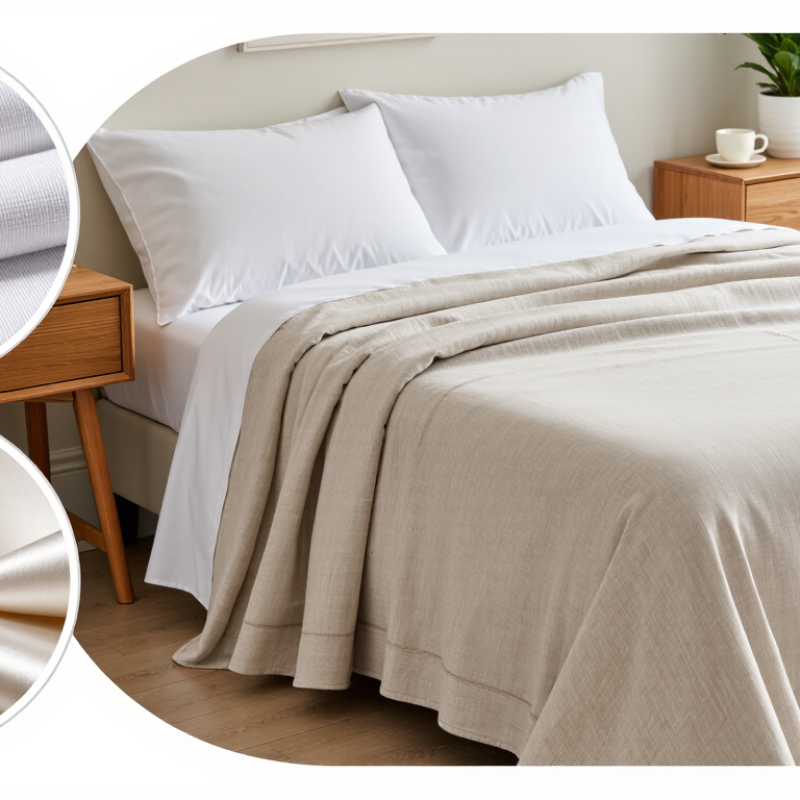
Why Choose Cotton Bed Covers for Your Home?

What Cotton Bed Covers Are and How They Are Made

Cotton bed covers are bed coverings made wholly or partly from cotton fabric. The term can describe a lightweight coverlet or a thicker, quilted layer, so the label matters. Most start with cotton bolls, whose fibers are separated from seeds and cleaned. The short, soft fibers are then spun into yarn. That yarn is woven or knitted into fabric, often in a plain weave for a crisp, familiar feel. Some covers use two fabric layers with batting between them. Stitching holds the layers in place and creates visible patterns. That part varies.

After fabric production, makers may dye or print the material, soften it, and cut and sew it to size. These finishing steps affect color, texture, and how the cover drapes over a bed. A dense weave may feel smooth, while a looser one can feel more relaxed. Neither is automatically better. Thread-count figures alone do not tell the whole story; fiber quality and construction matter too. Cotton can wrinkle and may shrink if washed or dried with excessive heat. I would check the care label and fabric composition before buying, especially because “cotton” can include blends. Small details count. Even a well-made cover may feel stiff at first, and personal comfort is hard to predict from a product description.

Key Properties of Cotton as a Bedding Material

Cotton’s appeal often starts with its breathable, familiar feel against the skin. Its fibers absorb some moisture, which can help a warm sleeper feel less clammy. On a humid night, though, damp cotton may take time to dry. That trade-off matters. The weave changes the experience: crisp percale feels airy, while sateen feels smoother and heavier. These are different constructions, not different fibers. I would not assume every cotton cover feels cool.

Cotton can handle regular laundering well when care instructions are followed. A tightly woven cover may resist everyday wear, but quality also depends on fiber length, yarn, and finishing. Some cotton can shrink or wrinkle after washing; it is easy to underestimate that nuisance. Moderate heat and prompt removal from the dryer may help limit both. A smooth, well-rinsed fabric may feel gentler against sensitive skin, though comfort is personal. A cooler room? A lighter weave may be enough.

Benefits of Cotton Bed Covers for Everyday Use

Cotton bed covers suit everyday use because they feel soft, absorb moisture, and are easy to wash. On a warm night, a lightweight cotton cover can feel less stuffy than a dense synthetic fabric. The exact feel depends on the weave: percale often feels crisp, while sateen feels smoother. Cotton is not magic. A thick cover can still feel warm.

Textile Exchange’s Materials Market Report 2024 estimates cotton made up about 20% of global fiber production in 2023. That figure reflects cotton’s wide use, not a guarantee of quality. Check the fabric weight, weave, and care label before buying. For daily use, breathable covers are practical, but they may wrinkle and can shrink if washed or dried at high heat. I still find a slightly rumpled cover perfectly usable.

Tips: Wash new covers before use, follow the label, and avoid overloading the machine. Let them dry fully before storing; damp folds can develop an unpleasant smell.

Common Cotton Weaves and Their Differences

Why Choose Cotton Bed Covers for Your Home?

Cotton feels familiar against the skin, but the weave changes how a bed cover feels and performs. Percale uses a simple over-under structure that gives the fabric a matte finish and a cool, crisp hand. It suits warm sleepers and rooms that feel stuffy by morning. Crisp, not stiff. Percale can wrinkle after washing, so a perfectly smooth bed may take extra effort.

Sateen places more threads across the fabric surface, creating a soft touch and gentle sheen. It drapes closely over a duvet and can feel warmer than percale, which some people prefer in cooler months. That matters. The finish may show pulls more readily, especially around buttons or rough-edged bedding, so careful washing helps preserve its surface. A glossy look does not automatically mean better quality.

Twill is recognizable by its faint diagonal lines. Its structure often makes it feel substantial and resist everyday wear, though the exact weight depends on the yarn and finishing. When comparing covers, check the fabric construction and care label, not thread count alone. Fiber quality and finishing influence comfort, too. I have found that labels cannot fully predict how a cover will feel after several washes; personal preference still counts. A cool, crisp weave may be practical, yet someone who loves a soft, fluid drape may choose sateen instead.

Why Choose Cotton Bed Covers? Common Cotton Weaves Compared

Cotton is breathable and absorbent, while the weave affects a bed cover’s texture and appearance. This chart compares representative weave structures by the longest consecutive float: percale uses a plain 1/1 weave, twill is shown as 2/1, and sateen as 4/1. Actual constructions can vary; float length alone does not determine softness or durability.

How to Choose and Care for Cotton Bed Covers

When choosing cotton bed covers, consider the room temperature, your preferred feel, and how often you wash them. Percale cotton tends to feel crisp and breathable, while sateen usually feels smoother and drapes more closely. Neither is automatically better; touch and personal comfort matter. Feel the fabric. Check the care label for fiber content and washing instructions, since blends can behave differently from pure cotton. Measure your mattress, including its depth, so the cover fits without pulling loose at the corners. If possible, inspect the stitching and seams. Small details matter.

For everyday care, wash cotton covers with similar colors and avoid overloading the machine. Use the temperature recommended on the label; hot water is not always necessary and may contribute to shrinkage or fading. A mild detergent is usually enough. Dry on a moderate setting or hang the cover where air can circulate, and make sure it is fully dry before storing it. Damp fabric can develop an unpleasant smell. Cotton wrinkles, too. I would not chase a perfectly smooth finish every time; a few creases are often part of its relaxed look. If the cover feels rough after washing, check for detergent residue and try a smaller amount next time.

Why Choose Cotton Bed Covers for Your Home? - How to Choose and Care for Cotton Bed Covers
Consideration What to Look For Why It Matters Practical Tip
Fiber content Check the label for 100% cotton or a cotton blend. Fiber content affects feel, care requirements, and how the fabric behaves after washing. If you prefer natural cotton, check that the label does not list added fibers such as polyester.
Weave Percale is a plain weave; sateen uses a satin-style weave. Percale commonly feels crisp and breathable, while sateen often feels smoother and has a subtle sheen. Choose by preferred feel; weave alone does not determine overall quality.
Fiber length and yarn Look for clear fiber and fabric details rather than relying on thread count alone. Longer cotton fibers can be spun into smoother, stronger yarns, but construction and finishing also affect performance. Compare fabric descriptions and care instructions alongside any thread-count claim.
Size and fit Check the finished dimensions and whether the cover is designed to drape over the bed or fit a duvet. Bed labels do not always indicate the same finished measurements, and mattress depth can affect coverage. Measure the mattress and compare its dimensions with the product measurements before buying.
Color and pattern Choose a color and pattern that suit your room and expected washing routine. Darker or strongly colored fabrics may release some dye during early washes. Wash new colored covers separately or with similar colors, following the care label.
Routine washing Use the care label’s recommended water temperature and cycle. Cotton is washable, but care needs can vary with dyes, finishes, and blended fibers. Use a suitable detergent and avoid overloading the washer so the fabric can move freely.
Drying and shrinkage Follow the stated drying instructions; use lower heat when tumble-drying is permitted. High heat can increase the risk of shrinkage and may affect the fabric’s feel over time. Remove the cover promptly and avoid prolonged high-heat drying.
Stain care Treat stains promptly with a method suitable for the fabric and color. Heat can make some stains harder to remove, and harsh bleach may damage color or fibers. Check the care label before using stain removers or bleach, and test products on an inconspicuous area when appropriate.
Storage Store the cover clean and completely dry in a cool, dry place. Dry storage helps reduce musty odors and the risk of mildew. Avoid sealing damp fabric in a bag or container.
Scroll to Top