10 Tips for Buying Animatronic Dinosaurs?

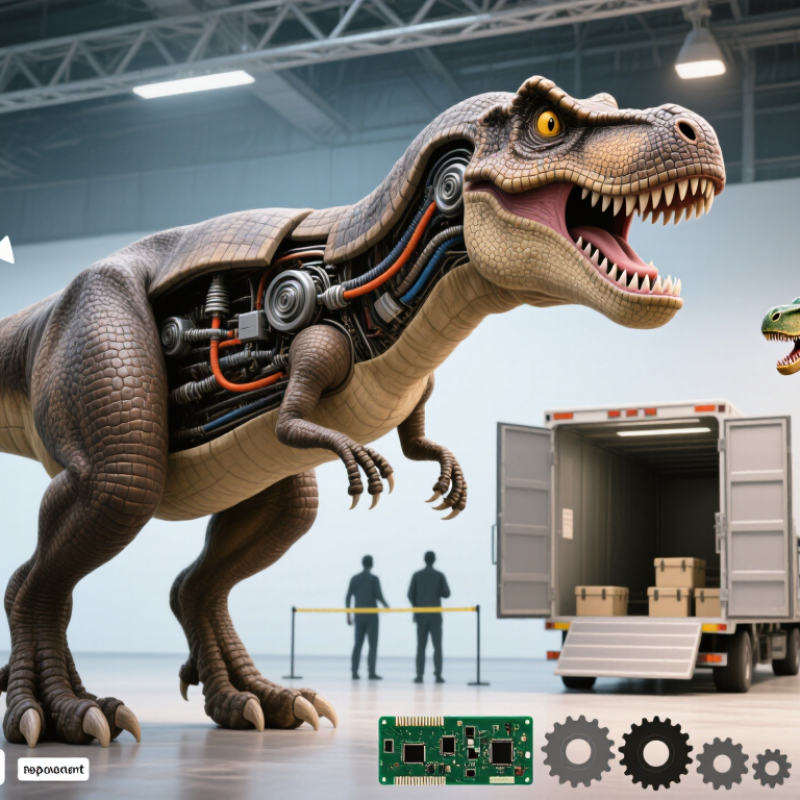
Buying Animatronic Dinosaurs is more complicated than choosing the largest model in a showroom. A convincing dinosaur needs accurate movement, durable materials, controlled sound, and dependable electronics. It must also fit the venue, audience, budget, and maintenance plan. A roaring T. rex may look impressive outdoors, but poor weather protection can quickly damage its sensors and motors. Size matters too. Measure doorways, ceiling height, delivery routes, and display space before ordering. Small details prevent expensive surprises.

This guide presents ten practical tips for evaluating suppliers and equipment. Check product specifications, warranty terms, replacement-part availability, installation requirements, and previous project examples. Ask whether the manufacturer tests repeated motion cycles, waterproofing, sound levels, and emergency shutdown systems. Request clear information about power consumption and operating temperatures. Reliable suppliers should provide documentation, realistic delivery schedules, and responsive technical support. They should also explain local electrical, fire-safety, accessibility, and public-liability requirements. Rules vary by location, so professional advice may be necessary. Do not rely on attractive videos alone. Ask for current photographs, live demonstrations, or references from comparable venues. A checklist helps, but it cannot predict every failure. Buyers sometimes focus too heavily on appearance and overlook maintenance access. That mistake can leave a beautiful dinosaur standing still. Careful comparison, honest questions, and a practical inspection can make the investment safer, more durable, and more rewarding. Details matter.
10 Tips for Buying Animatronic Dinosaurs?

Define the Purpose and Setting for Your Animatronic Dinosaur

10 Tips for Buying Animatronic Dinosaurs?

Define the Purpose and Setting for Your Animatronic Dinosaur

Before comparing movement systems, define the dinosaur’s job. Is it teaching visitors, creating a photo point, supporting a themed trail, or attracting families near an entrance? Each purpose demands different scale, sound, motion, and operating hours. A museum may need quiet, precise gestures. An outdoor attraction may require louder audio and weather-resistant materials.

The setting matters just as much. Measure ceiling height, pathway width, viewing distance, power access, drainage, and emergency routes. A three-meter dinosaur can dominate a small gallery, yet look weak beside a broad outdoor landscape. In visitor areas, keep moving joints away from reachable hands. ASTM F2374 offers useful guidance for amusement-device safety, although it does not replace a site-specific risk assessment.

Industry data supports careful planning. The 2023 TEA/AECOM Theme Index reported 240.4 million visits across the world’s top 25 theme parks, a 23.5% increase from 2022. Heavy visitor flow increases wear, queue pressure, and maintenance demands. Plan for that reality. Not the showroom.

For outdoor displays, request evidence of testing against moisture, dust, ultraviolet exposure, and temperature changes. Ask how technicians access motors without dismantling the entire body. That question is often overlooked. I have seen impressive installations become difficult to service because the setting was chosen after the purchase. Leave clear space behind the sculpture, protect nearby surfaces from water runoff, and test sightlines with children and wheelchair users before installation.
Compare Dinosaur Species, Sizes, and Movement Features

When buying animatronic dinosaurs, compare species before chasing dramatic movement. A Tyrannosaurus suits wide outdoor displays, while a Velociraptor fits tighter indoor paths. Herbivores create calmer scenes for younger visitors. The TEA/AECOM Theme Index 2023 recorded 243.2 million visits across the top 25 theme parks. That traffic suggests durability matters as much as appearance.

Tip 1: Match the species with visitor age and setting.
Tip 2: Measure ceiling height, doorway width, and viewing distance.
Tip 3: Choose fiberglass or reinforced materials for frequent public use.
Tip 4: Check whether the manufacturer lists operating cycles and maintenance intervals.

Size changes emotional impact. A 3-meter dinosaur feels impressive in a museum foyer, but a 7-meter model may overwhelm narrow walkways. Measure the base, tail swing, and service clearance.

Tip 5: Compare total footprint, not standing height alone.
Tip 6: Select slower head and jaw movements for close viewing.
Tip 7: Reserve faster motion for open areas with clear separation.
Tip 8: Test sound volume beside the display, not from across the room.

My own mistake was judging movement from a video. It looked smoother than it felt nearby.

Movement features should support believable behavior. Look for synchronized eyes, breathing, jaw motion, neck rotation, and tail balance. Programmable sequences can reduce repetition during long operating hours. The Global Economic Impact Study by IAAPA and Oxford Economics reported 24.3 million attractions-related jobs worldwide in 2019, showing the sector’s operational scale.

Tip 9: Ask for duty-cycle data, controls, and replacement-part access.
Tip 10: Review safety guidance, including ASTM F2374 and applicable local standards.

Fancy movement is not always better. Reliability wins.

Evaluate Materials, Safety Standards, and Weather Resistance

Buying an animatronic dinosaur requires more than checking its appearance. Inspect the internal frame, skin, joints, wiring, and base before discussing price. A galvanized steel frame can resist corrosion, while reinforced fiberglass or silicone may handle repeated movement better. Ask for material specifications and independent test reports.

Do not trust appearance alone. Look for protected cables, grounded connections, emergency stops, and suitable electrical enclosures. Moving joints should have guarded pinch points, especially near a child-accessible display. Safety documents should identify load limits, operating temperatures, and maintenance procedures. Vague paperwork deserves careful questioning.

Weather resistance needs practical testing. For outdoor use, check the enclosure rating, UV protection, drainage holes, sealed connectors, and wind anchoring. Water can collect beneath the skin after heavy rain. That detail is easy to miss. Ask whether the unit was tested through heat, cold, dust, and repeated moisture exposure. A good supplier should explain cleaning methods and replacement schedules without making unsupported promises. Inspect the installation site too, because poor ground conditions can damage a well-built dinosaur. I would also leave room in the budget for repairs; moving mechanisms rarely stay perfect forever. Some buyers focus heavily on realistic skin texture and overlook winter storage. That mistake can shorten the product’s working life.

10 Tips for Buying Animatronic Dinosaurs? - Evaluate Materials, Safety Standards, and Weather Resistance

No. Evaluation Area What to Check Before Purchase Useful Technical Reference Practical Acceptance Criteria
1 Frame and structural materials Inspect the internal frame, welds, fasteners, base plate, and load-bearing joints. Ask whether the structure is made from treated steel, stainless steel, or another documented material. Material certificates, welding records, and a structural drawing are more useful than a general “heavy-duty” claim. No sharp edges, visible cracks, loose welds, excessive corrosion, or unexplained structural modifications. The supplier should state the maximum operating load and anchoring method.
2 Exterior skin and foam Confirm the type and thickness of the outer skin, foam, paint, seams, and protective coating. Check whether replacement skin sections are available. Polyurethane and silicone components can have different resistance to sunlight, moisture, abrasion, and temperature changes. Request test data for the exact material used. The surface should be flexible without cracking, securely bonded, color-consistent, and free from exposed foam, open seams, or water-trapping pockets.
3 Electrical safety Review the supply voltage, current, grounding arrangement, cable routing, power-supply enclosure, residual-current protection, and emergency shutoff. IEC 60204-1 covers electrical equipment of machinery; IEC 60529 defines IP enclosure ratings. Local electrical regulations still determine installation requirements. All conductive parts should be properly bonded or grounded, cables should be protected from abrasion and water, and an accessible emergency stop should remove hazardous motion promptly.
4 Moving parts and pinch hazards Observe the neck, jaw, tail, arms, legs, and other moving sections during startup, normal operation, and shutdown. Identify accessible gaps and shear points. ISO 12100 provides a general framework for machinery risk assessment and risk reduction; it is not a substitute for local law or a site-specific assessment. Moving mechanisms should be guarded or located out of reach, motion should stop safely after an emergency command, and controls should prevent unexpected restarting.
5 Ingress protection and rain resistance Check the IP rating of electrical enclosures, connectors, control boxes, and motors separately. Inspect gaskets, cable glands, drain paths, and connector covers. Under IEC 60529, IP65 indicates dust-tight protection and protection against water jets; it does not automatically permit immersion or high-pressure cleaning. The documented rating should match the intended location, all openings should be sealed, and the supplier should specify whether operation during rain is allowed.
6 UV, temperature, and corrosion resistance Ask for the operating and storage temperature range, UV-exposure test method, coating system, and corrosion-protection details for outdoor use. ASTM G154 is commonly used for laboratory accelerated UV exposure of nonmetallic materials. Test results should identify exposure duration and material formulation. The product should have documented limits for heat, cold, sunlight, humidity, and salt exposure. “Outdoor use” without environmental limits is insufficient.
7 Wind stability and anchoring Measure the footprint, total weight, center of gravity, anchor points, and permitted wind speed. Consider the effect of the dinosaur’s height and projected area. Wind loads depend on local building codes, exposure, geometry, and installation conditions; a universal wind-speed value should not be assumed. Obtain a site-specific anchoring plan. The base should not rely only on loose ballast where public access, strong wind, or uneven ground creates a tipping risk.
8 Fire and material flammability Identify the foam, fabric, paint, cable insulation, and enclosure materials. Request flame-spread or flammability documentation for the finished assembly where required. UL 94 classifies the flammability of specified plastic materials under defined laboratory conditions; it is not a complete building or event fire-safety approval. The installation should comply with the venue’s fire code, exit-clearance rules, fire-retardant requirements, and inspection procedures.
9 Noise, motion, and visitor interaction Measure sound levels at the visitor boundary and check motion speed, sound triggers, lighting, barriers, and the risk of climbing, touching, or reaching inside. Noise limits are often set by local regulations or venue policies. Accessibility and crowd-management requirements should be reviewed for the specific site. The unit should not create unexpected movements, excessive noise, blocked walkways, trip hazards, or inaccessible routes. Use clear signs and physical separation where needed.
10 Maintenance, documentation, and warranty Request installation instructions, wiring diagrams, spare-parts lists, maintenance intervals, fault codes, cleaning limits, training materials, and warranty exclusions. A documented preventive-maintenance schedule should address lubrication, fastener checks, seals, cables, sensors, batteries, and corrosion inspection. Choose a unit with replaceable wear parts, available technical support, clear inspection records, and a defined process for reporting and correcting safety defects.

Note: Standards and ratings describe specific test conditions and should be verified against the installation location, local regulations, and the complete finished product.

Review Control Systems, Power Requirements, and Maintenance Needs

10 Tips for Buying Animatronic Dinosaurs

Tip 1 Inspect the control system before judging appearance. Ask whether movements, sound, lighting, and emergency stops work independently. A simple interface helps staff react quickly during faults. Test movement at full speed, not only showroom speed.

Tip 2 Check programming flexibility. Adjustable motion timing can make a dinosaur feel natural, while repetitive cycles quickly become noticeable.

Tip 3 Calculate power requirements with a qualified technician. Confirm voltage, current draw, circuit capacity, and startup demand.

Tip 4 Request separate power ratings for motors, heaters, lighting, and audio. One overloaded circuit can stop an entire display.

Tip 5 Inspect cable routes and waterproof connections. Outdoor installations need protected outlets and drainage. Rain finds weak points. I have seen attractive displays fail because water collected beneath the base.

Tip 6 Ask how often joints, belts, sensors, and fasteners need inspection.

Tip 7 Ensure replacement parts remain available for several years.

Tip 8 Look for removable access panels, clear service instructions, and manual override controls. Maintenance should not require dismantling the whole body.

Tip 9 Review noise levels during operation, especially near classrooms or residential areas.

Tip 10 Keep a written maintenance log with dates, symptoms, repairs, and operator notes. It reveals patterns that memory misses. A small concern today may become an expensive interruption later. Be realistic about your team’s skills; an impressive mechanism is not automatically a manageable one.

Check Suppliers, Customization Options, Pricing, and Warranty Terms

Buying an animatronic dinosaur requires more than a dramatic showroom video. Ask suppliers for installation photos, motor specifications, material records, and client references. The 2024 IAAPA Global Economic Impact Study valued the attractions sector at about $1.2 trillion. That scale makes dependable equipment essential. It does not make every supplier reliable.

Request a written inspection process. Ask who supplies replacement parts after delivery. Customization should begin with measurements, not colors. Confirm height, clearance, sound level, movement cycles, control method, and climate exposure. A museum may need quieter servos and slower motion. An outdoor park may require sealed connectors, drainage, UV-resistant coatings, and wind limits. The 2023 TEA/AECOM Theme Index recorded more than 240 million visits across the top 25 theme parks. Even short downtime can affect visitor experience.

Pricing needs a component-by-component quote. Separate sculpture, electronics, freight, installation, training, taxes, and spare parts. Compare warranty length, coverage, response time, labor exclusions, and shipping responsibility. Request a dated factory test video with a ruler visible. It feels overly cautious. It can reveal scale problems. Confirm maintenance intervals and expected operating hours in writing. A one-year warranty may sound acceptable, but a seal failure later could become expensive. Verbal assurances fade.

Scroll to Top