
How to Find China Top Foot Support Insoles Suppliers?

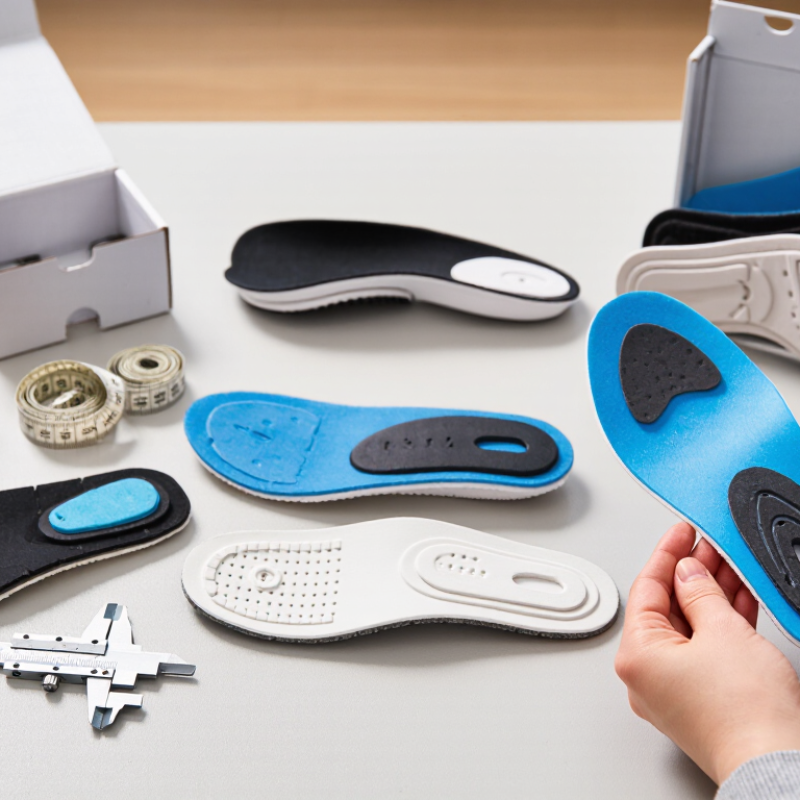
Finding China’s top Foot Support Insoles suppliers requires more than comparing prices on a marketplace. A reliable search begins with the intended use: daily walking, sports, work boots, or clinical support. Each application needs different arch structures, cushioning, breathability, and wear resistance. I have learned that product photos rarely reveal enough. A sample should be handled, flexed, measured, and tested inside suitable footwear. Look for suppliers who explain materials clearly, share production experience, and answer technical questions without vague promises. Small details matter, such as edge finishing, heel cup stability, and odor after repeated use.

Supplier credibility should be checked through several practical signals. Review factory information, quality-control procedures, export experience, and independent certifications where relevant. Ask for a material specification sheet and a sample approval process. A professional supplier can discuss EVA density, memory foam recovery, fabric selection, and dimensional tolerances. They should also explain how defects are recorded and corrected. Video calls can help, but they do not replace an on-site audit or an inspection by a qualified third party. That may sound cautious. It is.

Cost still matters, yet the lowest quotation may hide thin materials, unstable sizing, or weak packaging. Compare complete landed costs, minimum order quantities, lead times, and after-sales support. Request a small trial order before making a larger commitment. Keep written records of specifications and test results. No supplier is perfect. Even experienced buyers can overlook comfort differences between users. A thoughtful sourcing process leaves room for testing, feedback, and revision. This guide explains how to identify capable Chinese Foot Support Insoles suppliers with greater confidence and fewer avoidable surprises.
How to Find China Top Foot Support Insoles Suppliers?

Define Your Foot Support Insole Product Requirements

How to Find China Top Foot Support Insoles Suppliers?

Before contacting suppliers, define the insole you actually need. Describe the target user, shoe type, daily activity, and support level. A factory cannot quote accurately from “comfortable insoles” alone. Specify arch height, heel cup depth, cushioning thickness, and required sizes. For example, a work insole may need firm arch support, a shock-absorbing heel, and a breathable top layer. A walking insole may require more flexibility.

Material choices also affect performance and cost. Compare EVA, PU, gel, foam, and fabric covers against your intended use. State whether the insole should be washable, odor-resistant, heat-moldable, or suitable for sensitive skin. Include drawings with measurements, tolerance ranges, and packaging requirements. I once approved a sample after a short fitting test. The heel felt stable, but the forefoot became too warm after two hours. That mistake showed me that laboratory comfort is not real-world comfort.

Tips: Prepare a simple product requirement sheet before supplier discussions. Request several samples with different arch firmness levels. Test them in the actual shoe, during walking, standing, and repeated use. Record pressure points, slipping, moisture, and material changes. Ask suppliers about quality inspection steps and batch consistency. Avoid vague claims. “Medical-grade” is not a complete specification. Also, leave room for revision. Your first requirements may sound precise but still miss an important user problem.

How to Find China Top Foot Support Insole Suppliers?

Define Your Foot Support Insole Product Requirements

Before contacting suppliers, convert your product concept into measurable requirements. The scorecard below uses a 100-point procurement model covering performance, safety, customization, manufacturing consistency, and commercial readiness.

Use these weights as a starting framework when comparing suppliers. Validate each requirement with samples, test reports, production records, and pre-shipment inspections. Adjust the weighting according to your target user group, such as everyday comfort, sports use, work footwear, or medical-support applications.

Research China’s Main Insole Manufacturing Regions and Supplier Types

China’s foot support insole industry is concentrated in several practical manufacturing clusters. Fujian, especially Quanzhou and Jinjiang, has strong footwear supply chains and high-volume molding experience. Guangdong offers flexible production, packaging support, and access to export-oriented component factories. Zhejiang is useful for trading networks, small-batch development, and accessory sourcing. Jiangsu also has capable textile, foam, and molded-product suppliers.

These regions are not identical. Some factories specialize in EVA or PU foam, while others produce gel, fabric-covered, or arch-support designs. OEM suppliers usually follow your drawings and packaging requirements. ODM suppliers can adjust existing molds, materials, and cushioning structures. Material specialists may provide better foam consistency but limited finished-product services. Trading companies can compare factories quickly, yet their technical control may be weaker. Samples reveal more.

When screening suppliers, request factory addresses, production photos, material specifications, and recent inspection records. Check hardness, rebound, compression recovery, odor, surface bonding, and size accuracy. Ask whether testing covers the destination market’s applicable product-safety and chemical requirements. A factory audit should review molding equipment, worker procedures, storage conditions, and traceability records. The first sample is rarely perfect. I would test several sizes and wear them during walking, standing, and repeated bending. Supplier claims can sound precise, but measurements sometimes expose uneven arch support or unstable foam. One practical weakness is assuming a large factory always delivers better comfort. Smaller specialist workshops may adjust prototypes faster, although their capacity and documentation need closer checking.

How to Find China Top Foot Support Insoles Suppliers? - Research China’s Main Insole Manufacturing Regions and Supplier Types

Manufacturing Region Main Production Clusters Typical Supplier Type Core Product Strengths Common Materials Customization Capability Indicative MOQ Indicative Lead Time Verification Priorities
Guangdong Dongguan, Guangzhou, Huizhou and surrounding Pearl River Delta areas Export-oriented OEM/ODM factories and footwear-component manufacturers Performance insoles, sports footwear components, advanced molding and rapid product development EVA, PU, TPU, PORON-type polyurethane foam, mesh and fabric laminates High; 3D foot-shape development, arch-support adjustment, printed packaging and private labeling Typically 500–3,000 pairs for customized production Samples: 7–15 days; bulk: approximately 20–45 days after approval Mold ownership, material test reports, dimensional consistency and export experience
Zhejiang Yiwu, Wenzhou, Taizhou and nearby footwear-accessory production areas Flexible small-to-medium factories, trading-manufacturer hybrids and private-label suppliers Everyday comfort insoles, retail-ready products, fast assortment updates and small-batch sourcing EVA, latex foam, memory foam, felt, gel and textile-covered foam Medium to high; size grading, top-cloth printing, blister or carton packaging and basic structural changes Typically 100–1,000 pairs for stock or semi-custom products Samples: 5–12 days; bulk: approximately 15–35 days Factory-versus-trading-company status, product consistency, packaging accuracy and after-sales process
Fujian Quanzhou, Jinjiang and Putian footwear manufacturing clusters Footwear-component factories supplying athletic, casual and work-shoe manufacturers Sport and work-shoe insoles, cushioning systems, anti-fatigue designs and high-volume production EVA, PU, rubber, orthopedic foam, polyester mesh and moisture-control textiles High for footwear-integrated designs; moderate for direct-to-consumer orthopedic products Typically 1,000–5,000 pairs for production orders Samples: 7–15 days; bulk: approximately 25–50 days Compression recovery, bonding strength, odor control, wear resistance and factory capacity
Jiangsu Suzhou, Nantong, Kunshan and the wider Yangtze River Delta supply chain Structured manufacturers with stronger process control and material-sourcing systems Medical-support, corrective, cushioning and technically specified insoles PU, EVA, microfiber, nonwoven fabric, thermoplastic materials and specialized foams High for technical specifications, density control, multilayer construction and packaging documentation Typically 500–3,000 pairs, depending on tooling and material requirements Samples: 10–20 days; bulk: approximately 25–45 days Traceability, quality-management procedures, test methods, production records and change control
Anhui and Central China Manufacturing areas connected to Hefei, Chuzhou and neighboring industrial zones Cost-focused factories and suppliers serving mass-market footwear and general comfort products Standard foam insoles, basic arch-support products and high-volume commodity items EVA, recycled foam, felt, fabric, latex and low-density polyurethane foam Low to medium; best suited to existing molds, standard sizes and simple packaging Typically 1,000–10,000 pairs Samples: 7–14 days; bulk: approximately 20–40 days Actual production location, raw-material consistency, odor testing and inspection before shipment
Specialized Orthotic Supplier Usually located within major footwear or medical-device manufacturing regions Orthotic and podiatry-focused manufacturer Arch support, heel stabilization, pronation control, plantar-pressure relief and corrective structures EVA, polypropylene, TPU, carbon-fiber composites, PU and medical-grade textiles Very high; custom geometry, hardness zones, foot scans and different support levels Typically 100–1,000 pairs, with tooling or development fees possible Samples: 15–30 days; bulk: approximately 30–60 days Material safety, biomechanical claims, test evidence, design ownership and regulatory requirements in the target market
Stock and Ready-to-Ship Supplier Commonly connected to Yiwu, Guangzhou, Shenzhen and other wholesale distribution hubs Wholesale distributor, inventory holder or marketplace-based supplier Standard-size comfort insoles, seasonal products and quick market testing EVA, gel, memory foam, fabric, felt and synthetic leather Limited; usually logo printing, labels and repackaging rather than structural redesign Often 50–500 pairs per style Samples: 2–7 days; stock dispatch: approximately 3–15 days Inventory accuracy, source factory identification, packaging compliance and product batch consistency
Research note: MOQ and lead-time figures are indicative sourcing ranges for China-made foot-support insoles. Actual terms vary according to material selection, tooling, testing, packaging, order volume, seasonality and customization complexity.

Evaluate Supplier Experience, Certifications, and Production Capabilities

Finding reliable China top foot support insoles suppliers requires more than comparing prices. Start by checking their operating history, export markets, and product categories. Ask for dated factory photos, previous production records, and references from similar buyers. An experienced supplier should explain arch profiles, density options, moisture control, and fitting tolerances clearly. Vague answers matter. They may indicate trading activity rather than manufacturing depth. Ask for evidence.

Certifications should match the actual production scope. Request current ISO 9001 records, material safety reports, and test documents for compression, abrasion, odor, and colorfastness. If an insole is marketed for medical use, verify whether applicable ISO 13485 systems or local approvals cover that product. Do not trust a certificate image alone. Check the issuer, validity, site address, and certificate scope independently. Documents can look convincing while covering another facility. That mistake is expensive.

Production capability needs physical proof. Confirm molding equipment, cutting lines, lamination stations, skilled technicians, and daily capacity. Ask how workers control thickness, hardness, bonding strength, and edge finishing across each batch. Request a pilot order before committing to large volumes. A capable factory can provide samples, inspection records, lot numbers, and corrective-action reports. Still, capacity claims can be optimistic. A factory may pass sample review yet struggle during peak season. Discuss backup materials, lead-time limits, and inspection responsibility in writing.

Compare Samples, Materials, Pricing, and Minimum Order Quantities

How to Find China Top Foot Support Insoles Suppliers?

Supplier research should begin with comparable samples, not attractive catalogs. Request the same size, thickness, and support profile from three factories. Check arch height, heel stability, edge finishing, odor, and dimensional accuracy. Wear each sample for several hours. A laboratory report helps, but real walking reveals pressure points. It is easy to miss them.

Material selection affects comfort, durability, and cost. EVA is lightweight and economical, while PU usually offers better cushioning and recovery. TPU can improve structural support but may raise tooling and unit costs. Ask for density, Shore hardness, compression-set results, and sweat-aging data. The American Podiatric Medical Association highlights fit and functional support as important factors in foot-care products. Meanwhile, Grand View Research reports continued growth in the global insoles market, although market estimates differ by product definition.

Pricing needs more than a factory quotation. Compare sample fees, mold charges, packaging, inspection, freight, and replacement terms. Indicative private-label MOQs may range from 500 to 3,000 pairs, depending on materials and customization. Ask for price breaks at 500, 1,000, and 3,000 pairs. Confirm whether the quotation is EXW or FOB. Request a pre-production sample before payment approval. I would not trust the cheapest offer without compression testing. Low pricing sometimes hides thinner foam, unstable sizing, or weak adhesive. Supplier audits and third-party inspections add cost, but they reduce avoidable surprises.

Verify Quality Control, Communication, and Export Reliability

How to Find China Top Foot Support Insoles Suppliers?

Reliable sourcing begins with visible quality control, not attractive promises. Ask suppliers for material specifications, production photos, and batch inspection records. Check the insole’s arch support, cushioning, edge finishing, and odor after extended use. A sample may feel comfortable for ten minutes but fail during a full workday. Request samples from different production batches when possible. Keep written test results, even when the outcome looks disappointing.

Communication reveals a supplier’s working habits. Ask clear questions about mold changes, size tolerance, packaging, and production timelines. Strong suppliers explain problems directly instead of hiding behind vague replies. They should also provide accurate export documents, carton details, and shipping terms. Confirm whether they have handled similar international orders. A low price means little if cartons arrive late, damaged, or incorrectly labeled.

Tips: Use a written quality checklist. Set acceptable tolerance ranges before production. Ask for a pre-shipment inspection. Verify the factory address and export experience through independent records. Do not rely only on polished videos. Some suppliers answer quickly but miss technical details; this is easy to overlook. A second review can reveal gaps in communication, packaging strength, or delivery planning.

Scroll to Top