Folding Door Tips for Buyers How to Choose the Best Option?
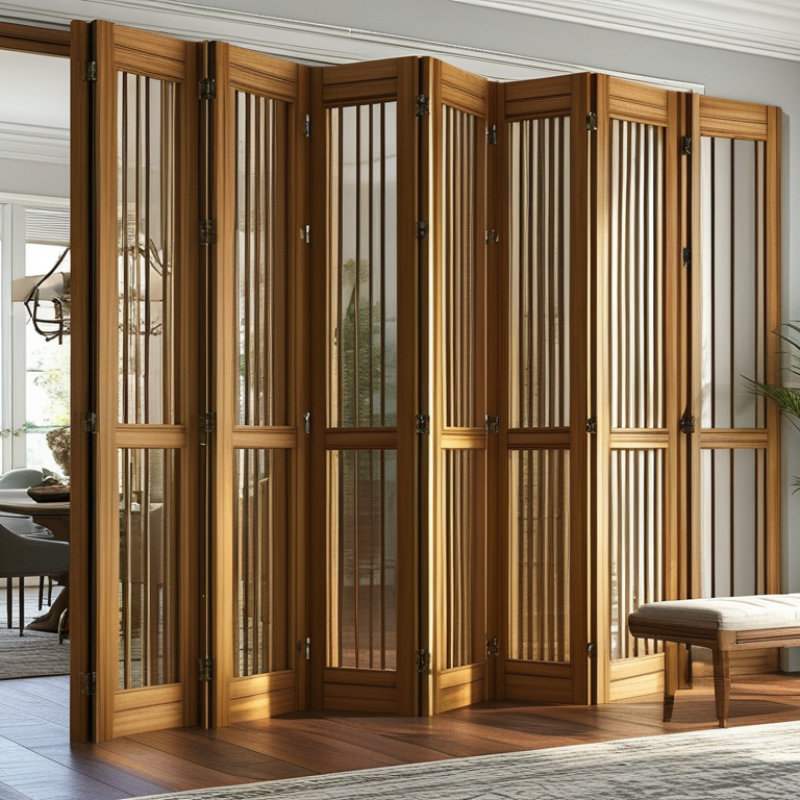
Choosing the right Folding Door can be a challenging task for many homeowners. With numerous options available, making an informed decision is crucial. Folding doors are not just functional; they also enhance the aesthetic appeal of your space. They offer versatility, allowing you to create open and inviting areas while maintaining privacy when necessary.
When considering a folding door, think about your specific needs. Do you require durability? Or is design more important? Different materials can affect quality and wear over time. Choosing the right size is essential too. A poorly fitted folding door can lead to gaps and inefficiencies. It's a good idea to measure carefully and perhaps consult a professional.
It can be easy to overlook the small details. The type of hinge used, for instance, impacts both function and longevity. Additionally, consider installation and maintenance. Sometimes, opting for a cost-effective choice can lead to regrets later. Reflecting on these aspects will help you choose the best folding door, ensuring a valuable addition to your home.
Factors to Consider When Choosing Folding Doors for Your Home
When choosing folding doors for your home, consider several key factors. First, space efficiency is crucial. Folding doors can save up to 50% more space than traditional options. This is especially beneficial in smaller areas where every inch matters. Think about where you want the doors installed. If they will open into a room, ensure you have enough clearance.
Another factor is material choice. Most folding doors come in wood, aluminum, or vinyl. Each material offers different benefits in terms of durability, aesthetics, and thermal insulation. Wood provides a classic look but may require more maintenance. Aluminum is sleek and modern but can be less insulating. Vinyl offers durability with minimal upkeep but may not suit every design style.
Tips: Measure the door frame accurately before purchasing. This prevents unwanted gaps and ensures a snug fit. Additionally, consider double glazed panels for better energy efficiency. Reports show that proper installation can improve your home's energy performance by up to 30%. Don't overlook the importance of functionality. Test the folding mechanism to ensure it operates smoothly; a faulty door can lead to safety hazards and frustrations over time.
Material Options: Analyzing Wood, Aluminum, and PVC Benefits
When considering folding doors, choosing the right material is crucial. Wood, aluminum, and PVC each offer unique benefits. Wooden folding doors provide an elegant, timeless look. They add warmth and character to any space. However, they require regular maintenance to prevent warping. Exposure to moisture can be an issue, so they are best suited for controlled environments.
Aluminum is known for its durability and strength. It is resistant to corrosion and doesn't warp. This makes aluminum a reliable choice for high-traffic areas. Its modern aesthetic pairs well with contemporary designs. However, without proper insulation, aluminum can conduct heat and cold, impacting energy efficiency.
PVC folding doors offer cost-effectiveness and low maintenance. They are lightweight and resistant to moisture. This makes them suitable for various environments. However, their longevity may not match that of wood or aluminum. When choosing, consider the specific needs of your space.
Tips for buyers: Always assess the environment before making a decision. Visit showrooms to see materials in person. Focus on the specific benefits that match your lifestyle. Small details can significantly impact your choice. Remember, each material has strengths and weaknesses. Don't hesitate to reflect on what is most important for your needs.
Energy Efficiency Ratings: Impact of Folding Doors on Home Insulation
When selecting folding doors, energy efficiency is a crucial factor. These doors can significantly impact your home's insulation. A well-insulated folding door helps maintain temperature, keeping your home cool in summer and warm in winter. Look for doors with high energy efficiency ratings. They can save you money on heating and cooling bills.
Choosing the right folding door comes with its own challenges. You may encounter various materials, designs, and energy ratings. Always check the insulation value of the doors. Materials like fiberglass and insulated aluminum tend to perform better. These options may carry a higher upfront cost but offer long-term savings on energy bills.
Don't forget to consider installation. A poorly installed door can compromise insulation effectiveness. If you're unsure, consult with a professional. They can guide you in making suitable choices. Reflect on your specific needs and room conditions before making a purchase. Ultimately, the right choice balances aesthetics with performance.
Folding Door Tips for Buyers: Energy Efficiency Ratings and Impact on Home Insulation
| Feature | Energy Efficiency Rating (1-5) | Impact on Home Insulation | Estimated Savings (% on Energy Bills) |
| Double Glazed Glass | 5 | Excellent insulation, minimizes heat loss | 20% |
| Low-E Coating | 4 | Good insulation, reflects heat back into the home | 15% |
| Vinyl Frame | 3 | Moderate insulation, durable but less efficient | 10% |
| Aluminum Frame | 2 | Poor insulation, may require thermal breaks | 5% |
| Thermal Break Frame | 4 | Good insulation, reduces heat transfer | 12% |
| Triple Glazing | 5 | Superior insulation, excellent for cold climates | 25% |
Cost-Benefit Analysis: Evaluating Long-Term Investment of Folding Doors
When considering folding doors, a cost-benefit analysis is essential. Buyers need to understand both the upfront costs and the long-term investment returns. Research indicates that folding doors can increase a property's value by up to 10%, enhancing appeal and functionality. This potential return can outweigh initial expenditures, making folding doors a savvy choice for homeowners.
Durability is another critical factor. Quality folding doors can last decades with proper maintenance. According to industry reports, high-quality materials such as aluminum and tempered glass can reduce the frequency of replacements, which saves money over time. Additionally, energy-efficient designs can lower utility bills, leading to further savings that enhance overall value.
However, not all folding doors offer the same benefits. Cheaper options may save money upfront but could lead to increased maintenance and replacement costs later. Buyers should invest in reputable manufacturers with positive customer feedback. It's essential to analyze warranty terms and installation costs. Some may overlook these details, leading to regret later. Careful evaluation is crucial to ensuring a rewarding long-term investment.
Cost-Benefit Analysis of Folding Doors
Installation and Maintenance: Ensuring Durability and Functionality
When considering the installation of folding doors, attention to detail is vital. Proper measurements are necessary to ensure a seamless fit. Mistakes here can lead to gaps or structural issues. To achieve functionality, hire an experienced installer. Their skills can make a significant difference in how the door operates over time.
Maintenance is equally crucial for durability. Regularly check the tracks and hinges for debris. A simple cleaning routine can prolong the door's life. Lubrication of moving parts helps maintain smooth operation. Many overlook this step or forget it entirely. Neglecting it can result in sticking doors or even breakdowns.
Pay close attention to the materials used in the door. Different materials may require varying maintenance efforts. Some might offer better insulation but need more care. Consider climate conditions as they affect wear and tear. Understanding these details can guide you to the best long-term choice.