Is Hdpe Cutting Board Material Safe and Durable for Kitchen Use?
The safety and durability of kitchen materials are critical for home cooks and professional chefs alike. One popular choice for cutting boards is the Hdpe Cutting Board Material. According to Dr. Emily Hart, an expert in food safety, “HDPE cutting boards minimize bacteria growth, making them ideal for kitchens.” This statement highlights the material's benefits.
HDPE, or high-density polyethylene, is renowned for its strength and resistance to impact. It does not absorb moisture or odors, making it a practical choice for food preparation. However, the evaluation of its safety in kitchen use isn't always straightforward. While HDPE is generally safe, prolonged usage may lead to scratches and potential bacterial harboring.
Reflecting on experiences with HDPE cutting board material, some users report that wear over time affects both hygiene and durability. Regular maintenance and proper cleaning techniques can mitigate these issues. Choosing the right HDPE cutting board requires informed consideration, as the material's benefits and drawbacks greatly impact food safety in our kitchens.
Definition and Properties of HDPE Cutting Boards
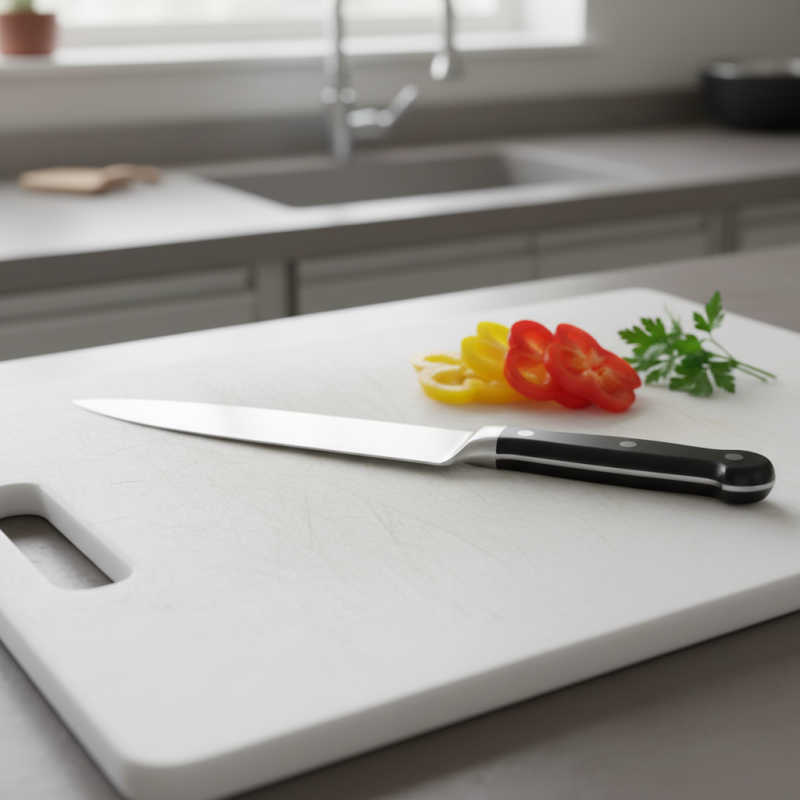
HDPE, or high-density polyethylene, is a popular material for cutting boards. It is known for its strength and durability. HDPE boards resist impacts and scratches better than many other materials. This quality makes them a favorite among both home cooks and professional chefs. They can tolerate heavy use without significant wear.
The properties of HDPE offer several advantages for kitchen use. They are non-porous, which means bacteria and odors have a harder time sticking to their surface. Cleaning is straightforward. A simple wash with soap and water usually suffices. However, some users might find that deep grooves can form over time. These grooves can harbor bacteria if not cleaned properly.
Another aspect to consider is the environmental impact. While HDPE is recyclable, its production involves fossil fuels. This raises questions about sustainability. Consumers should reflect on the balance between durbility and environmental responsibility. Overall, HDPE cutting boards provide a practical solution, but they are not without their shortcomings.
Safety Standards for Food Contact Materials Used in Kitchenware
When considering cutting boards, one crucial aspect is the safety of materials used. High-Density Polyethylene (HDPE) is often a popular choice for kitchen use. It is non-toxic and meets various food safety standards. However, not all HDPE products are created equal. It’s essential to verify that they comply with regulations concerning food contact materials.
The FDA has established strict guidelines for materials in contact with food. These standards ensure that harmful chemicals do not leach into food. Some manufacturers may not fully adhere to these regulations, creating potential risks. Therefore, it’s wise to choose HDPE boards from reputable sources that provide clear information about compliance.
Washing and maintaining cutting boards is also vital for safety. Proper cleaning practices can prevent contamination. However, even the best cutting boards can harbor bacteria if they're not cared for properly. Users should regularly inspect their boards for scratches or deep cuts. These imperfections can trap microbes and compromise food safety. While HDPE offers durability, staying vigilant about maintenance is essential.
Safety and Durability of HDPE Cutting Boards
This chart illustrates the safety ratings and durability based on different factors for HDPE cutting board materials used in kitchenware.
Durability and Maintenance of HDPE Cutting Boards
HDPE cutting boards have gained popularity in kitchens for their durability and ease of maintenance. High-Density Polyethylene (HDPE) is a thermoplastic material known for its remarkable resistance to impact and moisture. According to the USDA, HDPE is less porous than wood, making it less prone to harboring bacteria. This quality is essential for food safety.
However, the durability of HDPE boards does come with caveats. Although they resist scratches better than wood, heavy-duty use can still lead to surface cuts over time. Industry studies indicate that while they're more resistant to cuts, their lifespan can decrease significantly if not properly maintained. Regular cleaning with hot, soapy water is crucial. Additionally, users should avoid exposing these boards to extreme heat, which can warp the material.
The maintenance of HDPE boards is straightforward, yet requires diligence. Using a mild detergent is recommended, and avoiding abrasive cleaners is essential. Some users may notice discoloration from certain foods. This can diminish the board's appeal, but it does not affect safety or functionality. Regular inspection for warping or heavy scratches is also advised, ensuring the board remains effective and safe for food preparation.
Comparative Analysis: HDPE vs. Other Cutting Board Materials
When considering cutting board materials, HDPE (high-density polyethylene) stands out for kitchen use. Research indicates that HDPE has a low bacterial retention rate, making it ideal for food safety. According to a report from the USDA, HDPE surfaces are less likely to harbor harmful bacteria compared to wood or composite materials. This safety feature is crucial, especially when handling raw meats.
In contrast, wooden cutting boards, while aesthetically appealing, can be susceptible to deep grooves that trap food particles and bacteria. A study published in the Journal of Food Protection noted that wooden boards could retain bacteria even after cleaning. On the other hand, glass and ceramic boards, though sanitary, risk damaging knife edges with their hard surfaces. HDPE strikes a balance between durability and hygiene, making it a preferred choice for many chefs.
Tips: To keep your HDPE cutting board in prime condition, wash it with warm, soapy water immediately after use. Avoid soaking, as prolonged exposure to water can warp the material. Also, consider using separate boards for raw meats and vegetables to maintain safety standards. Regularly inspect your board for signs of wear or discoloration, as these indicators can help you determine when to replace it.
Best Practices for Using HDPE Cutting Boards in the Kitchen
When using HDPE cutting boards in the kitchen, adherence to best practices ensures safety and durability. Keep the cutting board clean by washing it with hot, soapy water after each use. Avoid cross-contamination by having separate boards for raw meat and veggies. This helps to lessen the risk of foodborne illness.
Another essential practice is to inspect the boards regularly. Look for deep grooves or cracks. These can harbor bacteria, making the board unsafe. If the board becomes heavily scratched, consider replacing it. Proper drying is also important. Air drying helps prevent moisture buildup that can lead to bacteria growth.
HDPE is known for its durability. However, it is not impervious to damage. Using sharp knives can create cuts that compromise its surface. Always cut with a gentle hand. Replacing a board can be a cost-effective measure if it shows significant wear. These practices will enhance your kitchen experience while promoting food safety.