

How to Choose the Best Kids Stool for Your Child?

Choosing a Kids Stool seems simple until your child reaches for the sink and the step shifts underfoot. Height, grip, weight, and room layout all affect whether the stool feels useful in everyday routines. A model that fits beside a bathroom vanity may be too tall for a kitchen counter. Measure the intended spot, then compare the stool’s platform height with your child’s reach. Small measurements matter.

Look closely at the base and surface. Broad feet, nonslip pads, and a textured standing area can help reduce sliding on smooth tile, though no design removes the need for supervision. Check the stated age or weight guidance, inspect hinges and edges, and choose a size your child can approach without climbing awkwardly. Lightweight stools are easier to move, but very light ones may shift more readily. That trade-off is easy to miss.

Think about cleanup, too. Water splashes, toothpaste, and snack crumbs collect in corners and grooves. A simple shape may be easier to wipe down. Try it in the actual room before relying on it. Your child’s confidence matters as much as appearance: a familiar color may invite use, while a wobbly first experience can discourage it. There is no single best choice for every home. The right Kids Stool should suit your child’s height, your floor, and the tasks they will practice—while an adult stays nearby. Maybe the most attractive option is not the most practical. That is worth checking before you buy.
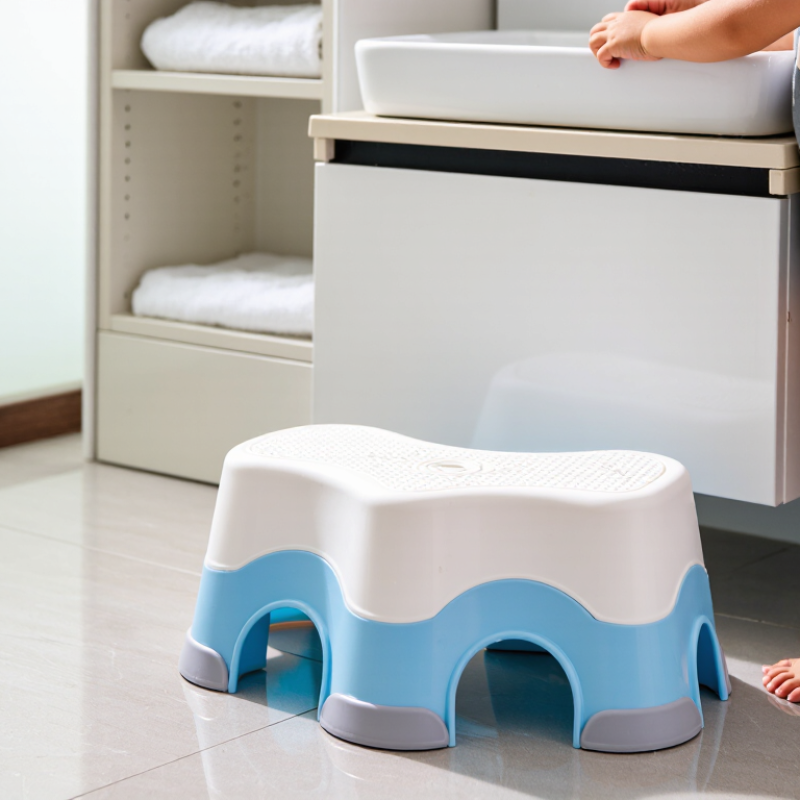
How to Choose the Best Kids Stool for Your Child?

Understanding the Purpose and Types of Kids Stools

A kids stool is a small tool for a specific task: helping a child reach a sink, counter, or low shelf. A fixed step stool suits everyday handwashing, while a folding model saves space but needs careful locking before use. A broad, low platform can feel steadier for little feet. A guarded learning tower may help at a counter, though its height and bulk need consideration. For sitting, choose a child-sized stool with stable legs and a seat that fits the child.

Check what the stool will stand on, too. Smooth bathroom tiles can make a lightweight base slide; carpet may wobble beneath narrow legs. The U.S. Consumer Product Safety Commission’s 2022 tip-over report estimated about 22,500 emergency-department visits linked to tip-overs involving televisions, furniture, and appliances. That figure is not specific to children’s stools, but it underlines why stability matters. Look for a wide base, non-slip feet, and a weight limit clearly stated by the maker.

Match the height to the task, not to the child’s age alone. The child should reach without stretching or leaning far over an edge. A taller platform can seem more useful, but it may introduce a bigger fall risk. Check hinges and feet regularly, and keep the stool on a level surface. Small details count. A stool can encourage independence, yet adult supervision still matters near water or hot surfaces.

Assessing Your Child’s Age, Height, and Needs

A child’s age offers a starting point, but readiness matters more. Can your child climb up and sit or stand steadily? A toddler who still wobbles may need a lower, wider stool and close adult supervision. Older children may manage a taller seat, yet coordination varies. There is no perfect age cutoff. Watch how your child moves during everyday routines.

Check height in the place the stool will be used. For a seat, your child’s feet should rest comfortably rather than dangle. For a step stool, the top should bring them within reach without encouraging them to lean or stretch. Measure the counter or sink, then compare that with your child’s standing reach. Choose a stable base, grippy feet, and a weight limit that suits your child. Measurements help, but they don’t tell the whole story; test the fit while staying beside them.

Tips: Have your child try the stool on a flat floor. Check for rocking, slipping, or awkward climbing. Reassess as they grow. A stool that works in the bathroom may not suit a busy kitchen.

Comparing Stool Materials, Design, and Durability

A kids’ stool should match the way your child will use it, not just the room’s colors. Solid wood often feels sturdy and can handle daily climbing, but it may be heavy to move and needs a smooth, well-sealed finish. Plastic is lighter and easy to wipe after sticky hands or spilled paint. Check that it feels firm rather than hollow or flexy under pressure. Metal can be durable, though hard edges and a cold surface may be less comfortable for small children.

Design affects safety as much as material. Look for a broad, level seat, legs that do not wobble, and feet that grip the floor. Rounded edges are kinder to bumps. A handle or low weight can help a child move the stool independently, but it should not make the stool easy to tip. Small details matter. Try it on your own floor if possible; a stool that feels stable on carpet may slide on tile.

Durability comes from construction and care, not material alone. Check joints, screws, and weight guidance regularly, especially after frequent use. Choose a surface you can clean without harsh scrubbing, and keep the stool dry if it is made from wood. I once assumed a heavier stool was always safer; that was too simple. A stable design matters more than weight by itself. Children grow quickly, so a suitable height today may not work next year.

How to Choose the Best Kids Stool for Your Child? – Comparing Stool Materials, Design, and Durability

Material / Type Stability and Feel Cleaning and Moisture Durability Considerations Design Features to Look For Often Suited To
Solid wood Usually feels substantial; stability depends on the base width, leg design, and construction. Wipe promptly after spills. Prolonged moisture can damage the finish or wood. Can last a long time with sound joints and a maintained finish; inspect for loose parts, cracks, or splinters. Rounded edges, smooth surfaces, secure joints, and a broad, level base. Families seeking a sturdy stool for regular indoor use.
Engineered wood Can be stable when well assembled; construction quality and fasteners matter. Clean with a slightly damp cloth and dry promptly; avoid soaking exposed edges. Edges and joints may be more vulnerable to repeated impacts or moisture than a well-made solid-wood stool. Sealed edges, sturdy connections, no peeling surfaces, and clear assembly instructions. Indoor use where a wood-style appearance is preferred.
Molded plastic Lightweight and easy to move; a wide footprint and non-slip feet help reduce sliding or tipping. Generally easy to wipe clean and tolerant of splashes; follow the product’s cleaning guidance. May scratch, fade, or become brittle with age or prolonged sun exposure; check regularly for cracks. One-piece construction, a non-slip top, rounded edges, and a stable, wide base. Bathrooms, kitchens, and children who need a lightweight stool to reposition.
Metal frame with seat or step A well-built frame can feel firm, but stability depends on its geometry, feet, and locked joints. Wipe dry after wet use; inspect the finish and joints for corrosion, especially in damp areas. Check hinges, fasteners, and any folding locks periodically; damaged or loose mechanisms can affect safe use. Secure locks, covered feet, a non-slip standing surface, and no sharp or pinch-prone edges. Families needing a foldable or compact design, provided the child can use it safely.
Bamboo Often lightweight yet firm; stability still depends on the stool’s base and joints. Wipe spills promptly and avoid leaving it in standing water or persistently damp conditions. Inspect the surface, finish, and connections for wear, splitting, or loosening over time. Smooth finish, rounded corners, sturdy joints, and non-slip feet. Indoor use when a natural-material look and easy handling are priorities.

Selection tip: Compare the stool’s stated age range, maximum load, dimensions, and safety instructions rather than relying on material alone. Choose a level, non-slip base and a height appropriate for the child and intended task. Use the stool on a flat surface, supervise children, and do not allow standing on a seat unless the product is specifically designed for that use.

Checking Safety, Stability, and Weight Capacity

A child’s stool should feel planted before your child climbs. CDC WISQARS injury data identify falls as a leading cause of nonfatal injuries among children, making stability more than a comfort feature. Choose a broad base, grippy feet, and a platform that stays level on your kitchen floor. Press down on each corner before use. A tiny wobble is easy to dismiss; it shouldn’t be. Check that the stool’s weight limit is clearly stated, then compare it with your child’s current weight. Leave room for growth, but never treat a higher limit as proof that the stool is stable.

Inspect joints, hinges, and locking parts regularly, especially on folding models. They should engage fully and resist movement under pressure. Keep the stool on a dry, flat surface, away from drawers or counters that invite reaching. Have your child climb down before moving it. These small routines can feel fussy. They are worth keeping.

Tips: Put both feet flat on the platform. Stay close while your child climbs. Stop using the stool if a foot slips, a joint loosens, or the frame rocks.

How to Choose the Best Kids Stool: Weight-Capacity Reference

Compare the stool’s manufacturer-rated weight capacity with your child’s weight. The values below show kilogram-to-pound conversions only; they are not safety recommendations or ratings for specific stools.

Safety check: Confirm the stool’s stated load limit, place it on a level surface, and check that it stands steadily without rocking or slipping. Follow the manufacturer’s age, use, and supervision instructions.

Choosing the Right Size and Ease of Maintenance

Choosing a stool by age alone can miss a growth spurt. The CDC’s 2000 growth charts track stature-for-age from ages 2 to 20, showing why a child’s actual measurements matter. Measure your child’s seated height and the surface they need to reach. For a step stool, check that the top brings them within easy reach without making them stretch onto their toes. For a sitting stool, look for a seat that lets their feet rest securely. Try it in the intended spot. A kitchen counter and a bathroom sink need different heights.

Check the fit again as your child grows. I still find age labels tempting, but they are only a rough guide. For upkeep, choose a surface that can be wiped clean with mild soap and water, and check the maker’s care instructions before using stronger cleaners. Look closely at seams where crumbs or dampness can collect. Every few weeks, inspect screws, joints, and non-slip feet; a loose fitting can turn a steady stool into a wobbly one. ASTM F2613 is a safety specification for children’s chairs and stools, so check product documentation for reference to it. Don’t skip the hands-on check. A stool that looks sturdy may still slide on your own floor.

Scroll to Top