2026 How to Choose the Best Stainless Steel Glass Clamp?
Choosing the right Stainless Steel Glass Clamp can be daunting. Various factors influence effectiveness and durability. Stainless steel clamps come in different styles and sizes. Each serves specific applications. Consider the environment where they will be installed. Harsh weather can shorten their lifespan.
Quality matters most when selecting these clamps. Premium materials ensure longevity and reliable performance. Look for clamps with a high resistance to rust and corrosion. This enhances both aesthetic appeal and structural integrity. Reviews and expert opinions can guide your purchase decisions.
Customization is another vital aspect. Some projects require unique fittings. Always double-check measurements before making a choice. Mistakes here can lead to costly repairs. Knowledge about different clamp types empowers you. It prepares you for what to expect. Understanding these details helps you select the best Stainless Steel Glass Clamp for your specific needs.
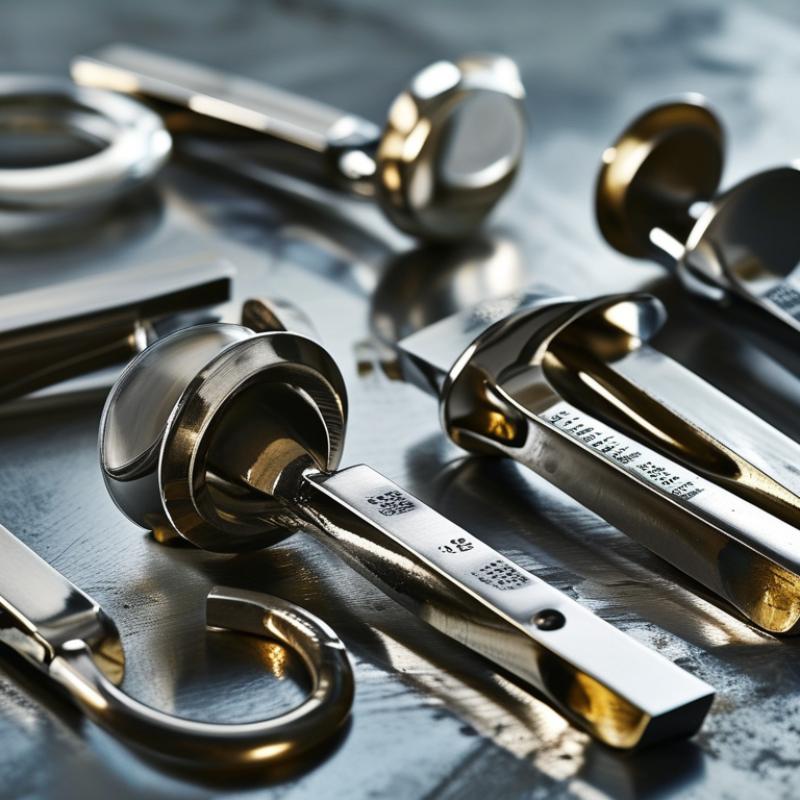
Choosing the Right Stainless Steel Glass Clamp: Key Considerations
When choosing the right stainless steel glass clamp, several key factors come into play. Understand the purpose of the clamp. Is it for a residential or commercial application? The environment can influence your choice. For outdoor settings, corrosion resistance is essential. Look for clamps made from high-quality stainless steel. They offer better durability and weather resistance, which is crucial for long-term use.
Pay attention to the size and design of the clamps. The dimensions must match the thickness of the glass securely. A poor fit can lead to safety risks. Additionally, aesthetic considerations matter. A clamp should complement your glass installation without dominating the design. Elegance in the design can enhance the overall look of your space.
Consider the installation process as well. Some clamps may require specialized tools or skills for proper installation. Evaluate whether you can handle the installation yourself or if you need professional help. Reflect on your options and seek advice if needed. This careful consideration can save time and costs in the long run.
Understanding Different Types of Stainless Steel Used in Glass Clamps
When selecting a stainless steel glass clamp, understanding the types of stainless steel is crucial. Generally, stainless steel is categorized into austenitic, ferritic, and martensitic. Austenitic steel, known for its high corrosion resistance, is commonly used in exterior applications. Research indicates that over 70% of stainless steel usage falls into this category due to its durability and workability.
Ferritic stainless steel, while less costly, has a lower resistance to corrosion. It is suitable for indoor environments or protected spaces. Data shows that most low-cost stainless steel glass clamps utilize this type.
Martensitic steel, on the other hand, offers excellent strength but may rust if not properly maintained. This type is less common but can be useful in securing structures that need high tension.
For high-performance solutions, look for clamps made from 316-grade stainless steel. This grade contains molybdenum, enhancing corrosion resistance in chlorinated environments, such as pool areas. However, these clamps may not always be feasible due to cost. Consumers must weigh the benefits against their budget and environmental exposure. It remains essential to reassess the specific needs and long-term implications of each material choice in glass clamp applications.
Evaluating Load-Bearing Capacity: Industry Standards and Ratings
When selecting a stainless steel glass clamp, evaluating load-bearing capacity is crucial. Many products in the market claim to meet industry standards, but not all deliver reliable performance. Load-bearing capacity is often indicated by tests that measure how much weight a clamp can support without failing. Knowing these ratings helps in making safe and informed choices.
Industry standards vary widely. Some clamps are designed for residential use, while others cater to commercial needs. A clamp's load capacity might seem adequate on paper but can falter under real conditions. Regular inspections can reveal potential weaknesses or manufacturing flaws. If a clamp shows signs of wear, it may not perform as expected.
It’s also important to consider environmental factors. Humidity and temperature changes can affect the integrity of the clamp. Corrosion-resistant materials offer some protection but are not foolproof. Users must weigh the risks carefully. A stainless steel clamp that fits well may not always guarantee safety under load. Seeking expert advice can provide additional insights to ensure reliability and performance.
Corrosion Resistance: Importance of Grades in Stainless Steel Quality
When selecting a stainless steel glass clamp, corrosion resistance is critical. The quality of stainless steel is defined by its grade. Different grades possess varying levels of resistance to rust, oxidation, and overall wear. For example, 304 stainless steel is widely used due to its balance of strength and corrosion resistance. It is ideal for indoor applications. According to industry reports, 304 can withstand moisture and light acids. However, it may not be suitable for coastal areas or high-humidity environments.
In harsher settings, 316 stainless steel is preferable. This grade contains molybdenum, which enhances its resistance to chlorides and pitting. It is often recommended for outdoor use or marine applications. The annual cost of replacing inferior glass clamps can substantially exceed the initial savings from lower-grade materials. Studies suggest that using higher-grade stainless steel can lead to longevity and minimize the need for repairs. Effective choice of materials is essential for ensuring long-term performance.
Making an informed decision on stainless steel grades requires careful consideration of environmental factors. Too often, individuals overlook the impact of placement and application. It's not just about the initial cost; it’s about the lifecycle performance. Some may find it tempting to go with cheaper options, only to face extensive corrosion issues later. The risks involved in choosing the wrong grade can lead to complications that undermine safety and structural integrity.
Installation Techniques: Ensuring Safety and Longevity in Glass Clamps
When installing stainless steel glass clamps, safety is paramount. Proper installation ensures the longevity of the clamps and the glass they support. Begin by selecting high-quality clamps that fit your specific glass thickness. Always consult the manufacturer's guidelines for optimal performance. Ensure that the glass is clean and free of debris before mounting. This small detail can prevent complications down the line.
Next, consider the surface to which you are attaching the clamps. It should be sturdy and level. Utilizing a level tool can help you verify this. Securely anchor the clamps using appropriate fasteners. Over-tightening can lead to cracks in the glass. It’s often an overlooked aspect but checking for proper tightness can mitigate potential issues.
Additionally, regularly inspect the clamps for signs of wear. Proactive maintenance extends the life of both the clamps and the glass. Look for rust or signs of corrosion, which can compromise safety. These are areas where improvement is often needed. Taking these extra steps can prevent costly repairs or accidents in the future. Always prioritize safety and craftsmanship in your installation techniques.