What is a Laser Cutting Machine and How Does It Work?
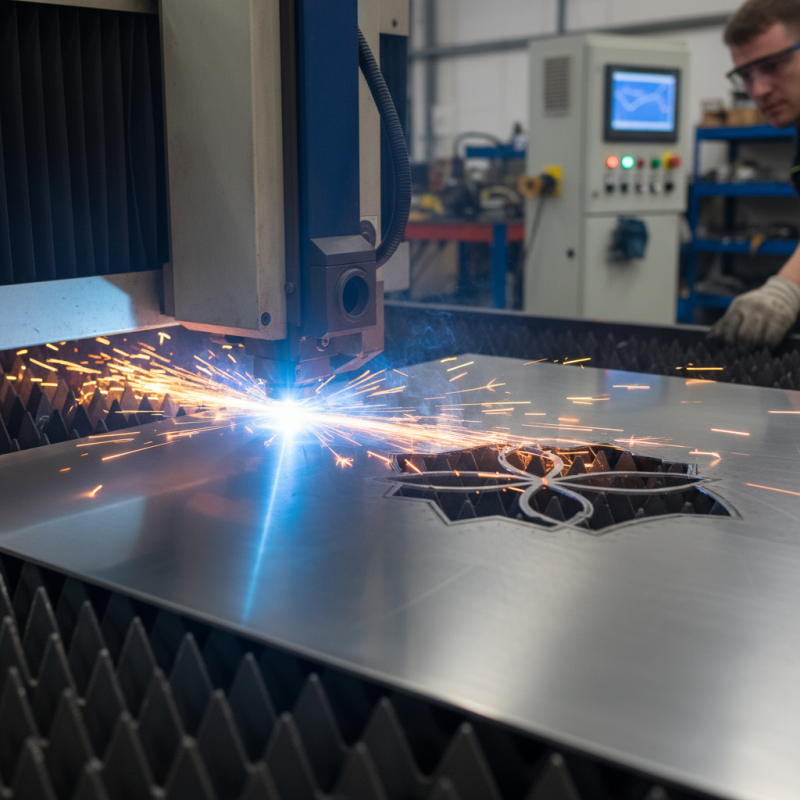
A laser cutting machine is a powerful tool used in various industries. It employs a focused beam of light to cut through materials with precision. Whether it’s metal, wood, or acrylic, this machine delivers clean edges and intricate designs.
The technology behind laser cutting is fascinating. It involves converting electrical energy into a concentrated light beam. This process results in high temperatures that can melt or vaporize the material. Due to this precision, laser cutting is often preferred over traditional methods. However, operating a laser cutting machine requires skill and safety precautions.
Despite its advantages, challenges exist. The initial cost can be significant, and the operation demands expertise. Mistakes can lead to wasted materials and time. Understanding how to maximize the benefits of a laser cutting machine is crucial. With practice, it can be a valuable asset for any project.
What is a Laser Cutting Machine?
A laser cutting machine is a powerful tool used for cutting various materials. It utilizes focused light beams to achieve precise cuts. The machine works by directing a high-energy laser beam onto the surface of the material. This laser heats the material to its melting or vaporization point.
The main components of a laser cutting machine include a laser source and a lens system. The lens focuses the beam to a small point, increasing its intensity. This means the cuts are clean and accurate. Materials like metals, plastics, and wood can be cut with ease. However, not every material can withstand the intense heat of the laser.
While laser cutting is efficient, it does have limitations. The machine requires regular maintenance and calibration for optimal performance. Mistakes can happen if operators are not careful. Training is necessary to avoid unwanted damages. Despite its precision, the risk of errors is always present.
What is a Laser Cutting Machine and How Does It Work?
| Dimension | Information |
| Technology Type | CO2 Laser, Fiber Laser, Nd:YAG Laser |
| Typical Materials | Metal, Plastic, Wood, Glass, Fabric |
| Cutting Speed | Varies by material, generally 1-500 mm/s |
| Power Output | From 40W to over 4000W depending on machine type |
| Applications | Manufacturing, Prototyping, Art, Signage |
| Advantages | High Precision, Versatility, Clean Cuts, Minimal Material Waste |
| Disadvantages | Initial Cost, Limited Thickness for Some Materials |
The Components of a Laser Cutting Machine
A laser cutting machine is a sophisticated tool used in various industries. Understanding its components is essential for effective use. The primary component is the laser source. This source generates the beam of light that will perform the cutting. Common types of lasers include CO2 and fiber lasers. Each has its advantages, depending on the material being cut.
Another crucial component is the cutting head. It focuses the laser beam onto the material. Proper alignment and cleaning of the cutting head are vital for accuracy. Poor maintenance can lead to uneven cuts or damage. Additionally, there's a system for controlling the movement of the cutting head. It often includes motors and guides to ensure precise positioning.
Tips: Keep the laser cutting machine clean. Dust and debris can affect performance. Regular checks can prevent costly errors. Always refer to the manual for calibration ideas. This maintains the quality of your cuts.
Lastly, a cooling system helps maintain optimal operating temperatures. Overheating can damage the machine. Ensure the cooling system functions properly. Using the machine within its limits is crucial. Reflect on your usage patterns. Adjustments may lead to better performance in the long run.
How Does a Laser Cutting Machine Work?
A laser cutting machine uses a focused beam of light to cut through materials. This technology allows for precise, intricate cuts, surpassing traditional methods. According to a recent industry report, the global laser cutting machine market is expected to reach $5.5 billion by 2025. This growth illustrates the increasing reliance on this technology across various sectors.
The process involves several critical components. A high-power laser beam, produced by a laser source, is aimed at the material. As the laser moves, it generates heat, melting or vaporizing the material below. Common materials cut by these machines include metals, plastics, and wood. A study showed that laser cutting achieves tolerances of up to ±0.1 mm. However, not every material responds well to this method. Some may warp or burn, requiring careful material selection.
Operators must be skilled in the use of laser cutting machines. Misalignment or incorrect settings can lead to poor results. While this technology is efficient, it demands attention to detail. Industry reports indicate that operator training is often overlooked, impacting productivity. Ensuring proper techniques is essential for maximizing the benefits of laser cutting.
Laser Cutting Machine Usage Statistics
Types of Laser Cutting Technologies
Laser cutting is a versatile technology that offers various methods for precision and efficiency. The main types of laser cutting technologies include CO₂ lasers, fiber lasers, and solid-state lasers. Each method has distinct characteristics suited for different applications.
CO₂ lasers are notable for their ability to cut through thicker materials. They emit a powerful beam that vaporizes the material. This technology is often used in wood and acrylic applications. However, they can be less efficient with metals.
Fiber lasers are gaining popularity for their speed and precision. They work well with reflective materials like aluminum and copper. Their beam is highly concentrated, allowing for cleaner cuts. Yet, they can be more expensive to integrate into existing systems.
Here are a few tips to consider when choosing a laser cutting method. First, analyze the material type and thickness. Choose the technology that best suits your needs. Evaluate your budget versus output quality. Investing in the right equipment will save time and money in the long run.
Applications of Laser Cutting in Various Industries
Laser cutting technology has found its way into diverse industries, proving to be a game-changer. In manufacturing, it excels at precise cuts. Sheet metal work often utilizes this technology for parts with complex designs. The ability to cut without distortion is invaluable. It minimizes waste material, which companies appreciate.
In the automotive sector, laser cutting is crucial. It helps create intricate components for vehicles. The speed and accuracy of the cuts reduce production times. This efficiency can lead to higher profits. However, there can be challenges. Companies must ensure that the machines are well-maintained for optimal performance.
The signage industry benefits greatly from laser cutting as well. Creating detailed and customized signs is a breeze. Various materials, from acrylic to wood, can be handled. Yet, inconsistencies in material thickness may result in uneven cuts. This is something businesses need to address. Continuous improvement in processes is essential for quality outcomes.