How to Maintain a Cooling Tower for Maximum Efficiency?
cooling towers play a crucial role in various industries, helping to regulate temperatures effectively. Proper maintenance of cooling towers is vital for maximizing efficiency. Neglecting them can lead to increased energy costs and system failures. Regular inspections and cleaning can help prevent these issues.
Ensure water levels and quality are monitored diligently. Contaminants can build up over time, resulting in decreased performance. It’s essential to check the fan and motor regularly for wear and tear. Small adjustments can lead to significant improvements.
However, not all maintenance practices are straightforward. Some facilities overlook minor leaks or rust, thinking they are insignificant. This can lead to larger problems down the line. Reflecting on maintenance routines can uncover crucial areas for improvement. Maintaining a cooling tower is not just about routine checks; it requires a proactive approach to keep operations running smoothly.
Understanding the Components of a Cooling Tower
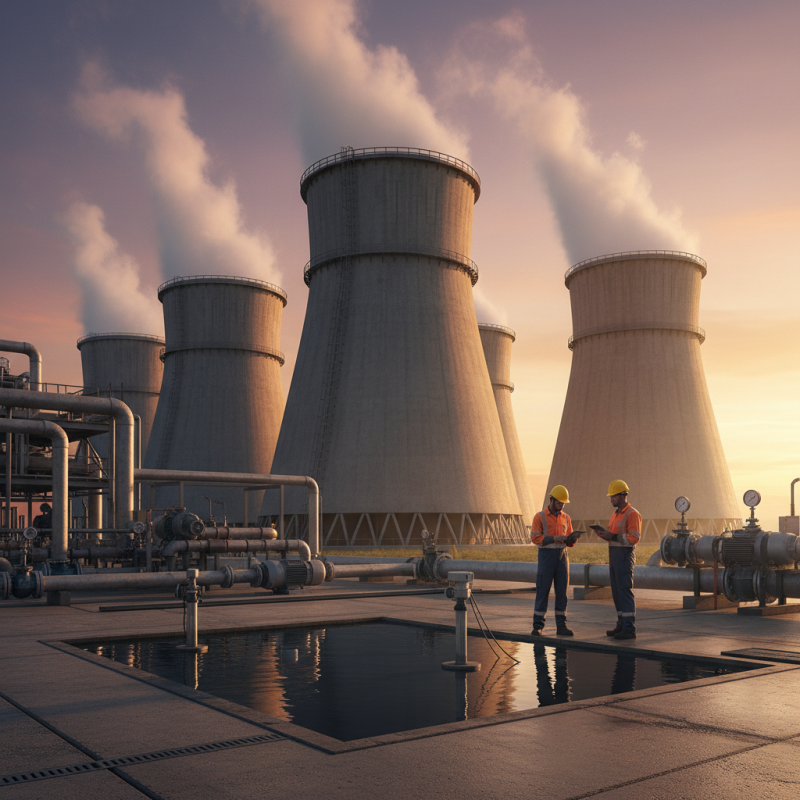
Cooling towers play a critical role in industrial and commercial settings. Understanding their components is essential for maintaining efficiency. The main parts include the fill, drift eliminators, and fans. The fill increases the surface area for heat exchange. Drift eliminators help capture water droplets, minimizing water loss. Fans circulate air to facilitate cooling.
Regular inspection of these components can prevent inefficiency. Check the fill for dirt and debris. Clean it to enhance performance. Ensure drift eliminators are intact to prevent moisture loss. If they show wear, replace them. Observing fan operations is vital too. Any unusual noise or reduced airflow indicates issues.
Tips for maintenance: Clean the cooling tower basin regularly to avoid algae growth. Monitor water levels to maintain optimal operations. Regularly test water quality to prevent scaling and corrosion. Small adjustments can lead to significant energy savings. Reflect on your maintenance schedule. Often, a proactive approach yields better results than reactive fixes.
Regular Inspection and Maintenance Schedules
Regular inspection and maintenance are essential for cooling tower efficiency. Establish a schedule that includes daily, weekly, and monthly tasks. Daily checks should focus on water levels and leaks. Ensure the water supply is adequate. Look for any signs of unusual noise or vibration.
Weekly inspections should include checking the strainers and nozzles. Clean any debris that could obstruct flow. Monthly, inspect the basin and drift eliminators for buildup. Maintaining cleanliness helps improve heat exchange and overall performance. This routine can prevent costly repairs later. Sometimes, it feels overwhelming to keep track of all maintenance tasks.
Document your inspections, noting any issues. This will help identify trends over time. If a problem arises, address it promptly. Regular maintenance not only improves efficiency but can also extend the tower's lifespan. Consistency is key, but it requires discipline and dedication.
How to Maintain a Cooling Tower for Maximum Efficiency? - Regular Inspection and Maintenance Schedules
| Maintenance Task | Frequency | Responsible Party | Notes |
| Visual Inspection | Weekly | Maintenance Staff | Check for leaks and signs of wear. |
| Cleaning of Fills | Monthly | Maintenance Staff | Remove dirt and debris for improved airflow. |
| Chemical Treatment | Quarterly | Water Treatment Specialist | Prevent scale and algae growth. |
| Fan and Motor Inspection | Biannually | Technical Team | Ensure proper operation and lubrication. |
| Water Quality Testing | Monthly | Water Quality Analyst | Check pH, chlorine, and conductivity levels. |
| System Performance Review | Annually | Facilities Manager | Evaluate efficiency and identify improvements. |
Cleaning Procedures for Optimal Heat Transfer
Cleaning your cooling tower is crucial for optimal heat transfer. Dust and debris can accumulate over time. This buildup restricts airflow and reduces efficiency. Regular inspections are essential to identify potential blockages and problems. Check components like fill media and water distribution nozzles. These areas often collect grime and scale.
To clean, start by draining the cooling tower. Use a pressure washer for effective removal of contaminants. Be careful with sensitive parts to avoid damage. Ensure all parts are dry before refilling the system. Consider using biodegradable cleaning agents for sustainability. Remember that even minor leaks can lead to larger issues later.
After cleaning, monitor the performance closely. If efficiency dips, revisiting the cleaning procedure may be necessary. Frequent maintenance might be inconvenient. However, it saves energy and extends the life of the tower. A proactive approach can prevent costly repairs. Regular attention to cleaning can make a significant difference in performance.
Monitoring Water Quality and Chemical Treatment
Maintaining water quality is crucial for cooling tower efficiency. Regular monitoring of parameters like pH, conductivity, and total dissolved solids ensures optimal performance. If levels drift, cooling efficiency may decline. Operators should test water frequently to identify issues early.
Chemical treatment plays a vital role in water management. The right balance of biocides and scale inhibitors can prevent fouling and corrosion. However, improper dosing can lead to worse problems. Overdosing may harm equipment while underdosing allows pathogens to thrive. Adjustments must be based on actual water conditions.
Visual inspections also matter. Look for signs of algae or scale build-up. These can affect heat transfer. Regular maintenance should include cleaning and checks for leaks. It’s a continuous learning process, as each system may have unique challenges. Keeping records can help identify trends and improve maintenance strategies over time.
Troubleshooting Common Cooling Tower Issues
Cooling towers play a crucial role in industrial processes. However, they often face common issues impacting their efficiency. One significant problem is scaling. Mineral deposits can build up inside the cooling tower. Regular maintenance is vital. Visual inspections can help identify scaling early. Cleaning the system with appropriate solutions can prevent larger issues.
Another common concern is airflow restriction. Clogs in the air intake can reduce efficiency. Debris, such as leaves or dust, often contributes to this problem. Periodically clearing these areas is essential. Using a vacuum or blower can be effective. Additionally, check fan motors and belts for wear. Impeded airflow can lead to overheating.
Water quality is crucial too. Contaminated water may promote biological growth. Algae and bacteria can thrive in warm, stagnant water. Implementing regular water testing can help catch contamination early. Adding biocides may be necessary, but should be carefully managed. Each of these issues requires attention, as neglect could amplify problems in the future. Consider routine maintenance checks to address these concerns promptly.
Cooling Tower Efficiency Metrics