What Are Metal Glass Clips and How Are They Used?
Metal Glass Clips are essential fixtures in modern architecture and interior design. These sturdy components can anchor glass panels securely. According to John Dixon, a renowned expert in glass installation, "Metal glass clips provide the balance between safety and aesthetics." His insights highlight the dual functionality that these clips offer.
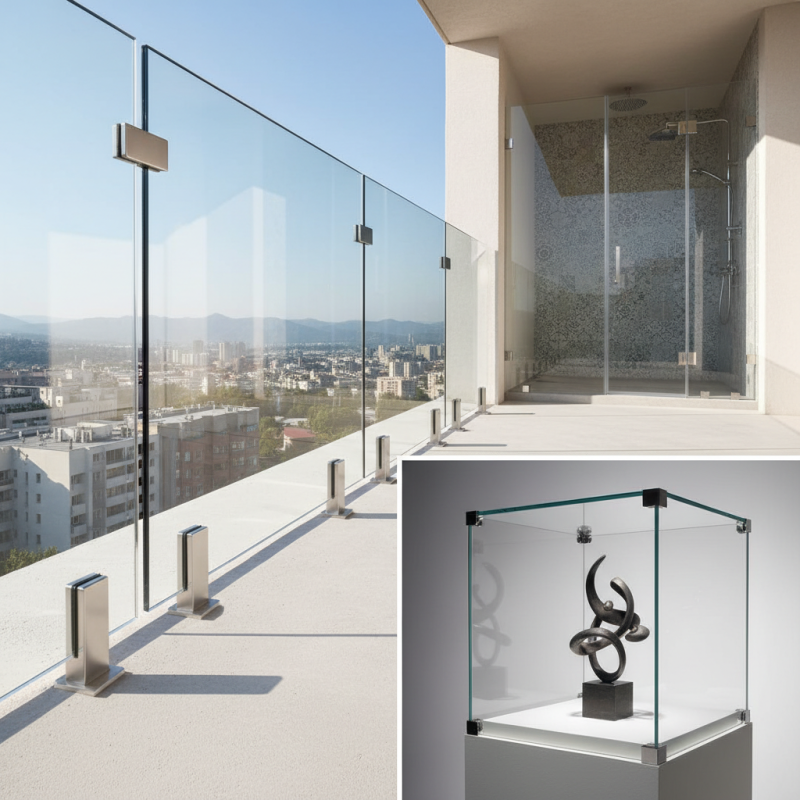
The versatility of metal glass clips makes them suitable for various applications. Industries use them in buildings, shower enclosures, and display cases. Their ability to support heavy glass while maintaining a sleek appearance is invaluable. However, improper installation can lead to failures. It's crucial for professionals to recognize the risks involved.
Designing with metal glass clips isn't without challenges. While they enhance visuals, their selection and placement require careful thought. Aesthetics might clash with practicality if not considered carefully. Professionals often debate the optimal size and material to use. Balancing safety with design intentions can be complex yet rewarding.
What Are Metal Glass Clips? An Overview of Their Definition
Metal glass clips have gained significant traction in various industries, primarily for holding glass panels securely. These clips provide a minimalist solution for glass installations, combining functionality with aesthetics. Typically made from stainless steel or other alloys, metal glass clips resist corrosion and wear, making them suitable for indoor and outdoor use.
Each clip is designed to support specific glass thicknesses. For example, a common size accommodates glass that is around 10 to 12 millimeters thick. According to industry reports, the demand for metal glass clips has surged by 30% over the past five years. This rise reflects trends in architectural design, where glass is favored for its transparency and modern look.
Tips: Always assess the load-bearing capacity of your chosen clips. Improper selection can lead to failure, which poses safety risks. Also, consider the environment; harsh weather conditions may require more robust materials. Regular inspection of installed clips ensures they remain secure over time, preventing potential accidents. Design choices should prioritize not only beauty but also safety.
Usage of Metal Glass Clips
The Structural Design of Metal Glass Clips: Types and Materials Used
Metal glass clips are crucial components in various architectural and interior designs. Their structural design can vary significantly based on the type and material used. Typically, these clips are made from stainless steel, aluminum, or brass. Each material has its unique properties. Stainless steel offers strength and corrosion resistance. Aluminum is lightweight but may not withstand high loads as effectively. Brass combines aesthetics with durability, giving a classic look.
In practice, metal glass clips can be found in different shapes, such as U-shaped or L-shaped. The design choice affects their ability to support glass panels. When selecting clips, consider the weight of the glass. Using the wrong clip may lead to failure. Keep in mind the environmental factors as well. For instance, humidity can impact certain materials more than others.
Tips: Always match the clip's material with the glass and the surrounding environment. Check the installation guidelines thoroughly. Misalignment during installation can lead to complications. Ensure that every clip is properly secured. This helps maintain the integrity of the entire setup and avoids future repairs. Remember, small oversights can result in significant issues down the line.
Applications of Metal Glass Clips in Construction and Interior Design
Metal glass clips are versatile components in modern architecture and design. Their primary role is to secure glass panels in various structures, ensuring stability and aesthetic appeal. According to a recent industry report, the global metal glass clips market is projected to grow by 5% annually. This growth underscores the increasing reliance on glass features in construction projects.
In interior design, metal glass clips are essential in creating open spaces. They allow for seamless transitions between rooms. Designers favor their sleek appearance, which complements contemporary aesthetics. In fact, about 70% of designers reported using glass in commercial projects due to its space-enhancing characteristics. This usage illustrates a growing trend toward minimalistic designs that prioritize light and space.
However, installation challenges can arise. Ensuring proper alignment is crucial to avoid structural issues. Misalignments may lead to unnecessary repairs and costs. A survey indicated that 30% of contractors encountered such problems. This highlights the importance of skilled labor and careful planning in utilizing metal glass clips effectively. As the industry evolves, continuous learning and adaptation will be vital for successful implementation.
Benefits of Utilizing Metal Glass Clips in Modern Architecture
Metal glass clips have gained popularity in modern architecture for several reasons. These clips hold glass panels securely in place. They create a sleek and minimalist finish that complements contemporary designs. Flexible in use, metal glass clips suit a variety of applications, from storefronts to interior glass walls.
Using metal glass clips offers significant benefits. They provide excellent strength and durability, supporting large glass sheets. This capability allows for expansive views without structural limitations. Ease of installation saves both time and labor costs. However, improper installation can lead to problems, which must be carefully managed.
Additionally, metal glass clips resist environmental factors. They are often coated to prevent corrosion. Yet, attention to detail is essential. The wrong finish can affect aesthetics. Architects and builders must choose wisely to achieve the desired effect. Overall, when correctly utilized, metal glass clips enhance both functionality and beauty in architectural projects.
Industry Trends and Innovations in Metal Glass Clip Technology
The metal glass clip industry is evolving rapidly. Innovations focus on design, durability, and functionality. Modern clips offer sleek aesthetics and improved strength. These features cater to architects and designers seeking sophisticated solutions for glass applications.
One notable trend is the integration of advanced materials. Some clips now use alloys that resist corrosion better than traditional options. Others incorporate innovative coating techniques for added durability. These advancements also emphasize sustainable practices. Manufacturers focus on using recycled materials, reducing environmental impact.
However, with these innovations come challenges. Some clips may not meet user expectations in terms of performance. There is a need for rigorous testing to ensure reliability. Feedback from users remains crucial in this evolving landscape. Finding the balance between style and function is an ongoing journey in the metal glass clip industry.
What Are Metal Glass Clips and How Are They Used? - Industry Trends and Innovations in Metal Glass Clip Technology
| Dimension | Measurement | Material Types | Common Applications | Latest Innovations |
| Width | 10 mm - 30 mm | Stainless Steel, Brass, Aluminum | Glass Partitions, Frameless Showers | Corrosion-resistant Finishes |
| Height | 15 mm - 50 mm | Zinc Alloy, Steel | Architectural Glass, Railings | Enhanced Clamping Systems |
| Thickness Compatibility | 6 mm - 12 mm | Tempered Glass, Laminated Glass | Glass Displays, Retail Spaces | Automated Glass Holding Mechanisms |
| Weight Capacity | Up to 50 kg | Cold Rolled Steel, Alloy Steel | Balustrades, Curtain Walls | Smart Clips with Load Sensors |