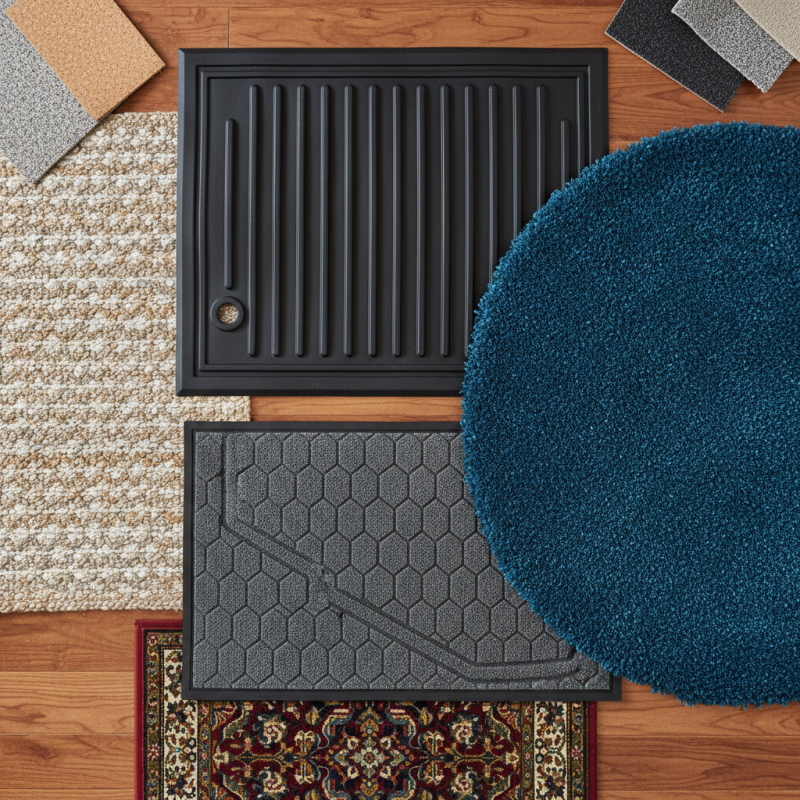
Essential Tips for Choosing the Right Floor Mats?
Choosing the right Floor Mats is crucial for both aesthetics and functionality. Floor mats serve many purposes, from enhancing decor to providing safety. Consider where you will place them. High-traffic areas need durable mats that can withstand wear.
The design of floor mats also matters. You might prefer a sleek look, or maybe something more textured. Colors and patterns should match your home or office decor. Don't forget about the material. Some mats trap dirt and moisture better than others.
Think about the maintenance, too. Easy-to-clean mats save time and effort. However, decorative mats may require more care. It's easy to overlook these details. Selecting the right floor mats can be more complicated than it seems. Reflect on your needs carefully. Getting it right will enhance your space significantly.
Understanding the Different Types of Floor Mats Available
When choosing floor mats, understanding the types available is crucial. There are various mats designed for different needs. Entry mats are ideal for trapping dirt and moisture, while anti-fatigue mats offer comfort in standing areas. Kitchen mats can resist stains and are easy to clean, which is important for maintaining hygiene. Each type serves a specific purpose, yet many users overlook these distinctions.
Another category is decorative mats. These can enhance the aesthetic of your space. However, their functionality might not match that of more utilitarian mats. Sometimes, a beautiful mat does not provide necessary slip resistance. Users might find themselves compromising on safety for style.
Choosing the right mat requires careful thought. Consider where the mat will be used and the level of foot traffic. A bathroom mat must absorb water effectively, while a living room mat should withstand less wear. Reflect on what you truly need. Making the wrong choice can lead to waste and frustration.
Assessing Your Specific Needs for Floor Mats
Choosing the right floor mats starts with understanding your specific needs. Consider the environment where the mats will be used. Are they for a high-traffic area or a more serene space? Different settings require different materials and designs. For example, a mat in an entranceway must be durable and easy to clean. You might find it frustrating when a mat looks great but doesn’t hold up against mud or moisture.
Think about comfort as well. Mats can provide insulation and cushioning. If you stand for long periods, a thicker mat may help reduce fatigue. Yet, there's a trade-off. Sometimes, thicker mats can be harder to clean. Assessing how much effort you're willing to put into maintenance is key.
Additionally, aesthetics play a role. The color and design should complement your decor. However, overly vibrant patterns might clash with your existing style. It's a balance between practicality and personal taste. Reflect on what matters most to you. Making the right choice can enhance comfort while highlighting your space.
Evaluating Material Quality and Durability in Floor Mats
Choosing the right floor mats can significantly affect your space. Evaluating material quality and durability is crucial. According to industry reports, around 30% of floor mats fail within the first year due to poor material choice or insufficient durability. This highlights the importance of selecting high-quality materials.
Natural fibers such as wool and cotton, while soft and luxurious, may not stand up to heavy foot traffic. Synthetic materials like nylon and polypropylene are often more resilient. A study found that nylon mats had a lifespan of over five years in high-traffic areas. This makes them a popular choice for both residential and commercial spaces.
It's important to check for certifications and testing data. Look for mats that meet industry standards for wear resistance and stain resistance. Many mats may look good but lack the durability you need. You might end up replacing them frequently. Carefully consider your environment and foot traffic. Not all mats are created equal; some may disappoint. Selecting the right material is not just about aesthetics but also practicality.
Essential Tips for Choosing the Right Floor Mats
| Material Type | Durability (Years) | Water Resistance | Maintenance Level | Cost Range ($) |
| Rubber | 5-10 | High | Low | 20-50 |
| Carpet | 3-7 | Low | Medium | 30-80 |
| Vinyl | 5-15 | Medium | Low | 25-70 |
| Foam | 2-5 | Low | High | 15-40 |
| Natural Fiber | 4-8 | Medium | Medium | 25-60 |
Considering Maintenance and Cleaning Requirements of Floor Mats
When considering floor mats, maintenance should be a top priority. Some materials require regular cleaning, while others can be more forgiving. Choose materials that align with your cleaning routine. For busy households, mats that can withstand heavy dirt may be ideal.
Vacuuming regularly is a must. It helps to keep the mats clean and fresh. Consider mats that are easy to shake out or wash. Some mats can go straight into the washing machine. This feature can be a lifesaver for maintaining cleanliness.
Don’t forget about drying. Wet mats can lead to mold or bad odors. Look for mats that dry quickly or have moisture-wicking properties. Lastly, if you have pets, select mats that resist stains. It's worth the thought. Keeping floor mats clean takes effort, but choosing the right type makes it easier.
Maintenance and Cleaning Requirements of Floor Mats
Selecting the Right Size and Thickness for Your Floor Mats
When selecting floor mats, size and thickness play crucial roles. A mat that’s too small won’t cover the area, leading to safety hazards. On the other hand, an excessively large mat can overwhelm a space. According to a report by The Global Floor Mat Market, choosing the right dimensions can reduce slip and fall incidents by up to 60%. This outcome emphasizes the importance of careful measurements.
Thickness is another important factor. Mats typically range from 1/4 inch to 1 inch in thickness. A thicker mat can absorb more impact, providing better comfort. However, overly thick mats can hinder mobility. For instance, a report by the National Safety Council revealed that mats with a thickness of 3/8 inch show a significant reduction in workplace accidents.
Tip: Always measure the area where the mat will be placed. Ensure it fits snugly without excessive overhang or gaps.
Consider the environment as well. In high-traffic areas, select mats designed for durability. They should withstand use while maintaining their shape.
Tip: Check the mat’s specifications before purchase. A higher quality material can save money in the long run. Remember, choosing the right size and thickness isn’t just about aesthetics; it’s about safety and functionality too.