
China Top 10 Aluminum Porch Railing Manufacturers?

An Aluminum Porch Railing can shape a porch’s appearance, safety, and everyday use. It also needs to suit the building, local weather, and installation conditions. This guide introduces ten manufacturers in China for buyers comparing potential suppliers. The list is a starting point, not a universal ranking. Details matter. Product quality, customization options, lead times, and communication can vary between factories, even when their catalogs look similar.

When reviewing each manufacturer, look beyond polished product photos. Ask about alloy specifications, coating choices, railing dimensions, and available testing or quality-control records. Request clear drawings and confirm how posts, brackets, and fasteners fit your porch design. Samples can help you inspect surface finish and color, though a small sample cannot reveal every production issue. Not every supplier fits. Consider order size, packaging, shipping arrangements, and after-sales support before making a decision. These details may affect a project as much as the quoted price.

A useful comparison should separate verified information from marketing claims. Manufacturer capabilities can change, and details shown online may not describe a buyer’s exact order. Confirm current specifications directly with each company. Also check that the proposed railing meets the requirements applicable to your project and location. No shortlist replaces careful review. Some points may remain uncertain until drawings, samples, and written quotations are available. Use the following profiles to narrow your options, ask more precise questions, and decide which supplier deserves closer evaluation.
China Top 10 Aluminum Porch Railing Manufacturers?

Understanding Aluminum Porch Railings and Their Main Applications

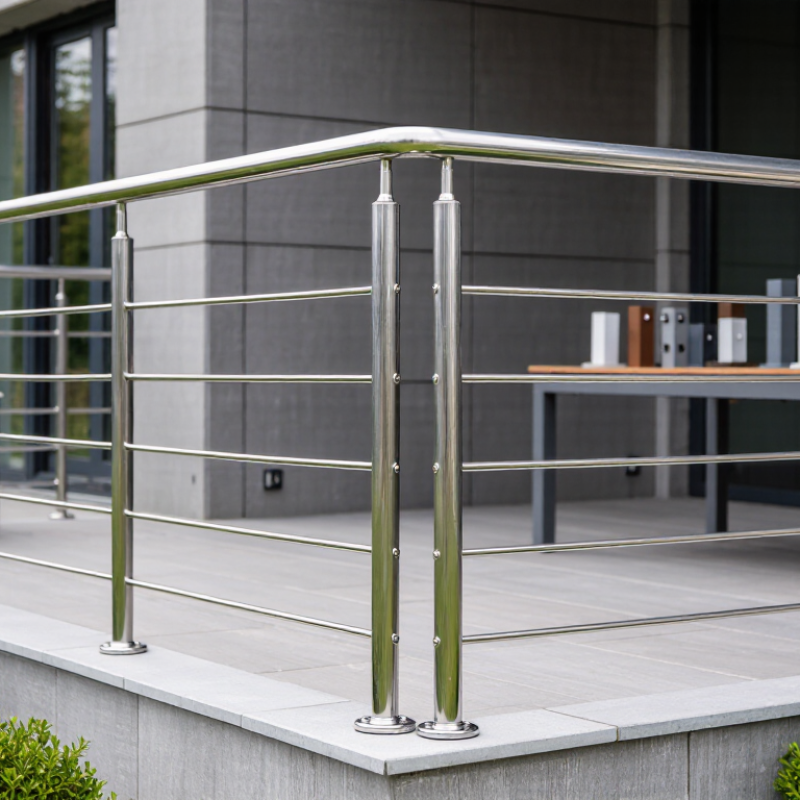
Aluminum porch railings combine a visible boundary with support along steps and raised porch edges. Most systems use posts, horizontal rails, and vertical balusters, with a powder-coated finish available in practical colors such as black, white, or bronze. Aluminum resists rust better than untreated iron, but it is not damage-proof. Coatings can chip, and loose fasteners still need attention.

These railings suit front entrances, wraparound porches, and elevated outdoor sitting areas. On stairs, a graspable handrail can make daily movement easier, especially when rain leaves the treads slick. At open edges, closely spaced balusters help define the space without blocking as much light as a solid panel.

Looks are not enough. The post anchors must match the porch structure, and local requirements for height and spacing should be checked before installation. A poorly secured post may feel wobbly even when the railing looks sturdy.

One detail is easy to miss: salt, dirt, and pollen can collect around joints, so occasional cleaning and inspection remain worthwhile.
How to Evaluate Aluminum Porch Railing Manufacturers in China

When evaluating aluminum porch railing manufacturers in China, look beyond polished catalog photos. Ask for alloy grades, wall thickness, coating specifications, and detailed shop drawings. A 1.2-millimeter post may look sturdy online but feel noticeably different from a thicker section in hand. Request a physical sample. Check its edges, welds, finish, and color under natural light.

Ask how the manufacturer verifies dimensions and coating quality across production batches. Useful evidence may include inspection records, test reports, and clear acceptance criteria—not just a certificate image. Confirm whether posts, brackets, and fasteners are designed as one compatible system. Also ask how custom porch measurements are reviewed before fabrication. Small details matter. A missed stair angle can delay installation.

Communication is part of quality. Send a marked-up drawing and see whether the supplier flags unclear dimensions or drainage concerns. Discuss packaging, replacement parts, lead times, and what happens when a shipment arrives with damage. No checklist catches everything. Samples may not reveal how a finish ages outdoors, and factory claims still need verification. Compare several suppliers using the same questions, then check references or arrange an independent inspection when practical. The cheapest quote can be reasonable, but only when its specifications match the others.

Profiles of 10 Chinese Aluminum Porch Railing Manufacturers

A useful profile of a Chinese aluminum porch-railing manufacturer starts with its production scope, not its catalogue photos. China’s National Bureau of Statistics reported 41.594 million tonnes of electrolytic aluminum output in 2023. That scale supports a broad supplier base, but it does not prove that any railing is well made. Ask for alloy and temper details, actual wall thickness, coating specifications, and documented load-test results.

These ten name-free profiles describe useful capability types, not audited claims about specific factories:

  1. an extrusion-focused maker;
  2. a custom-cut fabricator;
  3. a powder-coating specialist;
  4. a glass-and-aluminum assembler;
  5. a supplier of modular kits;
  6. a workshop serving low-volume projects;
  7. a maker with CNC hole machining;
  8. an export-oriented packer;
  9. a company offering installation drawings;
  10. a project supplier handling unusual dimensions.

Compare their sample joints, corner finishes, post-base plates, and drainage details. Small gaps matter.

The aluminum-output figure comes from a National Bureau of Statistics industrial production release; it measures raw-material scale, not railing quality. For a credible supplier comparison, request recent inspection records and a sample matching the proposed specification. A neat finish helps, but it can hide thin sections or weak connections. That distinction is easy to miss.

Comparing Manufacturers by Products, Capabilities, and Services

A useful comparison of aluminum porch railing manufacturers starts with the product, not the catalog photo. Check whether each supplier offers compatible posts, rails, brackets, and balusters, plus options for corner turns and stair sections. Profiles should suit the porch’s dimensions without relying on improvised cuts. Finish quality matters, too: ask how the coating is applied and how it is protected during shipping. Details matter.

Manufacturing capabilities can separate a standard supplier from one able to handle unusual layouts. Ask about custom lengths, fabrication tolerances, sample availability, and documentation for relevant performance tests. Clear drawings help prevent gaps between the planned railing and the parts delivered. A polished brochure alone proves little. Request specific answers.

Service deserves equal attention. Compare response times, installation guidance, replacement-part availability, warranty terms, and realistic production schedules. Ask who resolves measurement questions before an order is released. This comparison has limits: advertised capabilities do not guarantee consistent execution, and a low price may exclude useful support. I would verify claims with written specifications and a sample finish where possible. Even then, small details can be missed, so allow time to review the final layout before fabrication.

China Top 10 Aluminum Porch Railing Manufacturers? - Comparing Manufacturers by Products, Capabilities, and Services

Comparison framework, not a verified ranking: No company-specific claims are made here. Use these ten criteria to compare suppliers, and confirm each supplier’s products, certifications, capacity, and service terms directly.

Comparison Dimension What to Compare Evidence to Request from Each Supplier
1. Product Range Porch and deck railing systems, posts, top rails, brackets, gates, and compatible accessories. Current product catalogue, system drawings, component list, and confirmation of which parts are supplied as a complete system.
2. Railing Infill Options Available designs may include vertical pickets, glass panels, or horizontal cable. Compatibility and installation requirements differ by system. Product specifications, installation details, available infill dimensions, and guidance on applicable local building requirements.
3. Aluminum Materials Specified alloy and temper, section dimensions, wall thickness, and material documentation for the intended application. Material certificates or mill test reports, profile specifications, and written confirmation of the material used for each component.
4. Surface Finishes Available finishes, such as powder coating or anodizing, plus color options and suitability for the project environment. Finish specifications, color samples, coating or anodizing documentation, and details of surface preparation and warranty coverage.
5. Design and Customization Ability to adapt dimensions, profiles, colors, mounting details, or system components to project drawings. Sample shop drawings, design approval workflow, customization limits, tooling charges, and confirmation of drawing ownership.
6. Fabrication Capabilities In-house processes relevant to the order, such as cutting, drilling, machining, welding, finishing, and assembly. Process list, facility or production-line information, quality-control checkpoints, and clarification of any outsourced operations.
7. Testing and Compliance Whether the proposed railing system has been assessed for the applicable project requirements. Building codes and load requirements vary by jurisdiction. Test reports identifying the tested system and configuration, applicable standards, report issuer, and any certificates relevant to the destination market.
8. Quality Control Incoming material checks, dimensional inspection, finish inspection, traceability, and handling of non-conforming products. Quality procedures, inspection records or sample reports, product identification method, and corrective-action process.
9. Order Capacity and Lead Time Quoted production lead time, minimum order quantity, sample availability, and ability to schedule repeat orders. A written quotation with quantities, production schedule, sample timeline, and the assumptions or conditions that could affect delivery.
10. Export and After-Sales Service Export packaging, shipping-document support, installation guidance, spare parts, warranty terms, and response process for claims. Packaging details, sample shipping documents, installation manual, written warranty, spare-parts policy, and a named contact for service issues.

How to Choose a Manufacturer for Your Project

Choosing an aluminum porch railing manufacturer starts with the project, not a catalog. Measure each run, note stair angles, post spacing, and the surfaces where anchors will land. Ask for alloy and coating specifications, along with inspection records for the proposed system. A polished sample is useful, but it cannot show how joints may perform after years outdoors. Details matter.

Request shop drawings that show post bases, corner connections, gate openings, and drainage clearances. Confirm who checks dimensions, packages components, and answers installation questions when site conditions differ. Check whether sections arrive labeled, protected from scratches, and grouped by elevation. Compare lead time, minimum order, replacement-part availability, and written warranty terms—not just unit price.

If possible, review a completed project in a similar climate and ask what needed adjustment. One awkward truth: even a capable supplier may miss a measurement error made on site. Keep approved drawings and finish samples on record, and clarify which changes need written approval. No guesswork.

Scroll to Top