
What Are the Top Luxury Vinyl Flooring Types in 2026?
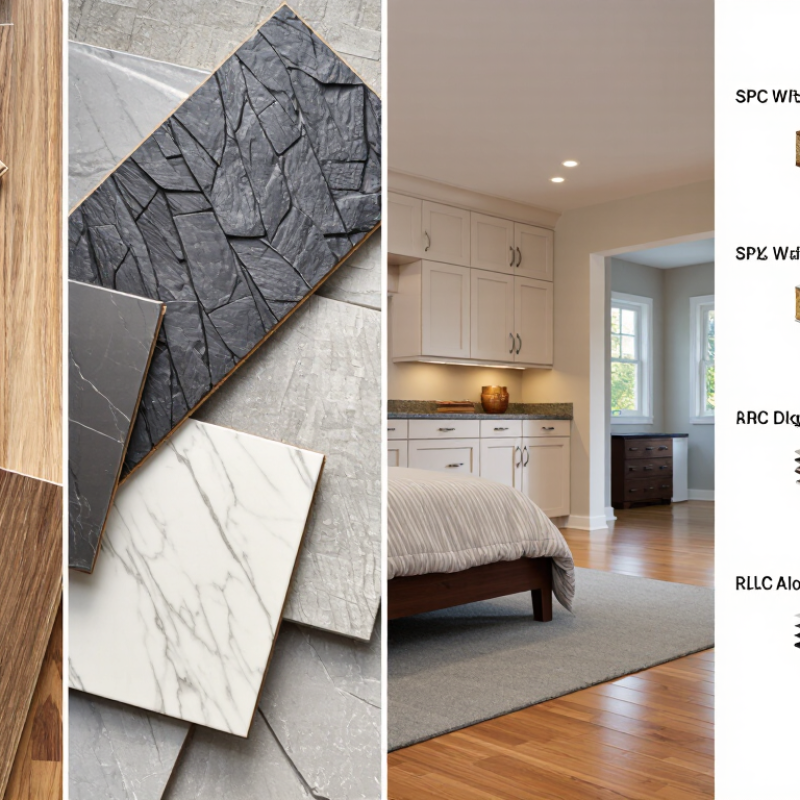
In 2026, Luxury Vinyl comes in more than one look and construction. Wood-look planks bring the grain and varied tones of oak, walnut, or reclaimed boards into kitchens, bedrooms, and busy hallways. Stone-look tiles offer another option, with finishes inspired by slate, marble, or concrete. The surface pattern matters, but so does what sits beneath it.
Shoppers will also encounter rigid-core products, including SPC and WPC, alongside flexible glue-down and loose-lay flooring. These names describe different constructions or installation methods, not a simple quality ranking. SPC usually has a dense mineral-based core, while WPC uses a foamed composite core; actual comfort and performance vary by product. Details matter. Before choosing, compare wear-layer specifications, attached underlayment, installation requirements, and the manufacturer’s care instructions. A realistic wood texture may look convincing in a showroom, yet a sample at home can reveal different undertones under natural light. Room conditions matter, too: uneven subfloors, direct sunlight, and standing water can affect suitability or results. Not every “waterproof” claim answers every installation question. This guide explores the leading Luxury Vinyl types for 2026, explains their practical differences, and offers a grounded way to match appearance, upkeep, and budget. Product labels can be confusing, and even careful comparisons have limits. Check the exact product documentation before making a final decision.
Understanding Luxury Vinyl Flooring and Its Core Features
Luxury vinyl flooring is a layered surface designed to resemble wood or stone while offering practical everyday care. Its printed design layer creates the visible pattern; a transparent wear layer helps resist scuffs and stains. A textured finish can make a plank feel more like oak grain beneath bare feet. It is convincing, though not always perfect.
Most products come as planks or tiles, with flexible or rigid cores. Flexible vinyl can follow minor floor variations, but it still needs a smooth, clean base. Rigid-core flooring feels firmer underfoot and may help bridge small imperfections. It cannot correct a badly uneven subfloor. That distinction matters.
Many luxury vinyl surfaces tolerate spills well, but “waterproof” does not mean every installation is protected from moisture. Water can enter at edges or seams, especially around poorly fitted thresholds. Check the product’s wear-layer thickness, installation instructions, and suitability for the room before choosing. A thicker wear layer may be useful in a busy hallway, while a quiet bedroom may need less. Room conditions matter. For dependable results, inspect the subfloor and follow the flooring maker’s guidance; skipping that step can lead to gaps or movement later.
Exploring Luxury Vinyl Plank and Luxury Vinyl Tile
Luxury vinyl plank (LVP) and luxury vinyl tile (LVT) are the two main formats to compare in 2026. LVP uses long, plank-shaped pieces to suggest timber, with printed grain and textured surfaces that can feel convincing underfoot. LVT comes in square or rectangular pieces and often imitates stone, ceramic, or concrete. Both typically use layered construction, but their appearance and layout differ. Check the wear layer, product specifications, and care instructions; thickness alone does not tell you how well a floor will resist scratches.
LVP can make a narrow hallway feel longer, while LVT can suit a kitchen with a stone-like pattern or a more geometric layout. The effect depends on room size, light, and grout-line design. Some LVT products have beveled edges or simulated grout, while others create a smoother, more continuous surface. Installation requirements vary. A flat, clean subfloor matters for either type, and floating, glue-down, or click-lock methods are not interchangeable. Follow the flooring instructions, especially near sunny windows, where temperature changes can affect movement.
Water resistance is useful, but it does not make every floor waterproof in every situation. Seams, edges, and the subfloor still matter if water sits for hours. That distinction is easy to miss. Before choosing, place samples beside cabinets and view them in morning and evening light; a gray plank can look surprisingly warm at home. Also check whether the product is suitable for the room and expected foot traffic. There is no perfect format for every space, and pattern matching can take more planning than expected.
Comparing Rigid-Core Options: SPC and WPC Flooring
SPC uses a stone-plastic composite core, usually making the plank denser and more resistant to dents from furniture legs. It can suit kitchens, entryways, and busy hallways where dropped items and tracked-in grit are everyday concerns. The surface is still vinyl, so sharp objects can scratch it. Dense does not mean indestructible.
WPC has a wood-plastic composite core with a foamed structure. Underfoot, it often feels slightly warmer and softer than SPC, which may matter in bedrooms or living areas with bare feet. That comfort can come with a trade-off: WPC may be more vulnerable to compression under heavy, stationary furniture. Check the product’s stated limits rather than assuming every plank performs alike.
Installation conditions matter, too. A clean, level subfloor helps both types; ridges beneath a floating floor can become noticeable over time. SPC’s firmness may also transmit more sound on a hard subfloor, so compare acoustic ratings and underlayment requirements.
Small details count.
In 2026, the better choice still depends on the room, the subfloor, and how the space is used—not just the core label.
Evaluating Flooring Types by Durability, Comfort, and Use
Luxury vinyl flooring types differ most under real pressure: rolling chairs, dropped pans, damp entryways, and hours spent standing. Rigid-core SPC uses a dense mineral-filled core, so it resists dents and feels firm underfoot.
ASTM F3261-20 covers resilient flooring with rigid polymeric cores, giving buyers a recognized specification to check. It does not guarantee identical performance across products. Check wear-layer thickness, locking-joint quality, and the installation instructions.
Flexible glue-down LVT suits busy rooms where individual planks may need replacement. It can feel harder underfoot, especially over concrete. WPC’s foamed core usually feels warmer and softer, but heavy furniture can leave pressure marks. That trade-off matters.
ASTM F1700-20 classifies solid vinyl floor tile, while ASTM F970 evaluates recovery after static loading. Ask for test results, not just a “commercial grade” label. In kitchens, smooth surfaces wipe clean, yet textured finishes may hide grit and demand more careful mopping.
For bedrooms or upper floors, compare samples barefoot and listen for hollow clicks. Small detail, big difference.
One honest caveat: underlayment can improve sound and comfort, but it cannot fix an uneven subfloor.
Choosing a Luxury Vinyl Type for Your Space in 2026
Choosing a luxury vinyl type starts with the room, not the color. For busy kitchens, rigid-core SPC often suits daily foot traffic and rolling chairs. Its dense core feels firm underfoot, though it can sound harder in an echoing room. WPC has a cushioned core that may feel warmer in bedrooms or family rooms. It is not a cure for every flooring problem. Check the subfloor first.
Flexible luxury vinyl planks can work well in smaller rooms with a smooth, stable base. Vinyl tiles offer a practical way to create a stone-like pattern without using stone. For bathrooms or laundry areas, compare the full product specifications, including the wear layer and installation requirements. A water-resistant surface does not make every floor immune to leaks. That detail matters.
Bring home samples. View them in morning and evening light, then place them beside cabinets and trim. Consider sound, underfoot comfort, furniture weight, and how much cleaning the room gets. A textured finish can help disguise small marks, but deep grooves may collect grime. There is no perfect type for every home. The best choice balances room conditions, budget, and the feel you actually enjoy living with.
| Type | Core or format | Common installation | Main advantages | Things to consider | Often a good fit for |
|---|---|---|---|---|---|
| SPC rigid-core vinyl | Rigid core made primarily from mineral fillers and PVC, with a printed design layer and protective wear layer. | Most commonly floating click-lock planks or tiles. | Firm, dimensionally stable feel; handles everyday spills well; its rigid core can help bridge minor surface irregularities. | A firm core may feel less cushioned underfoot than WPC. The subfloor still needs to meet the product’s flatness requirements. | Busy homes, kitchens, entryways, and other areas where a firm, rigid floor is preferred. |
| WPC rigid-core vinyl | Rigid core made with a wood-polymer or wood-plastic composite formulation, beneath a vinyl design and wear layer. | Commonly floating click-lock planks or tiles. | Often feels more cushioned and quieter underfoot than comparable SPC products; available in a wide range of wood and stone looks. | Generally less dense than SPC, and product performance varies. Check the manufacturer’s requirements for temperature, subfloor, and installation. | Living rooms, bedrooms, and other spaces where added comfort underfoot is a priority. |
| Flexible glue-down LVT | Flexible luxury vinyl tile or plank without a rigid composite core. | Adhered to a properly prepared subfloor with the specified flooring adhesive. | Low-profile installation; individual tiles or planks can often be replaced; well suited to large areas when installed correctly. | Subfloor preparation is important because surface imperfections may show through. Installation typically requires more adhesive and surface preparation than floating floors. | Commercial interiors, rooms with fixed cabinetry, and spaces where a low-profile adhered floor is desirable. |
| Loose-lay LVT | Flexible, relatively heavy tiles or planks designed to stay in place through their weight and backing; some installations use perimeter adhesive. | Laid directly on a suitable, clean, smooth subfloor according to product instructions. | Can be quicker to install and may allow individual pieces to be lifted for replacement or access beneath the floor. | Not every product suits every room. Subfloor condition, room size, traffic, and any adhesive requirements need to be checked carefully. | Smaller areas or renovation projects where an installation that can be lifted later is useful. |
| Click-lock LVT | An installation format rather than a single core material; products may have a rigid SPC or WPC core, or another compatible construction. | Floating floor with planks or tiles mechanically joined at the edges. | No full-spread adhesive is typically needed; can be installed over an approved subfloor and is often suitable for DIY projects. | Requires the specified expansion gaps and a suitably flat subfloor. Not all click-lock products are suitable for every room or installation over existing flooring. | Residential projects where a floating installation and straightforward plank or tile assembly are priorities. |
Related Posts
-
Ultimate Guide to Selecting the Best Luxury Vinyl Flooring for Your Global Procurement Needs
-
How to Choose the Perfect Luxury Vinyl Flooring for Your Home Makeover
-
Elevate Your Space with LVP Flooring: Unmatched Quality from China for a Global Market
-
How to Choose the Best Floor Planks for Your Global Sourcing Needs
-
2026 Top Trends in LVP Flooring You Need to Know?
-
2026 Best LVT Wood Flooring Options for Your Home Design?