
What Is Vinyl Flooring Types Benefits and Buying Tips?

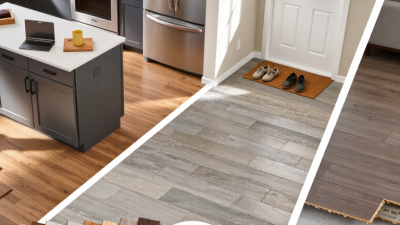
Vinyl Flooring has changed from the thin, shiny sheet many homeowners remember. Today, it includes sheet vinyl, luxury vinyl tile, and luxury vinyl plank. Each type creates a different look, feel, and installation experience.

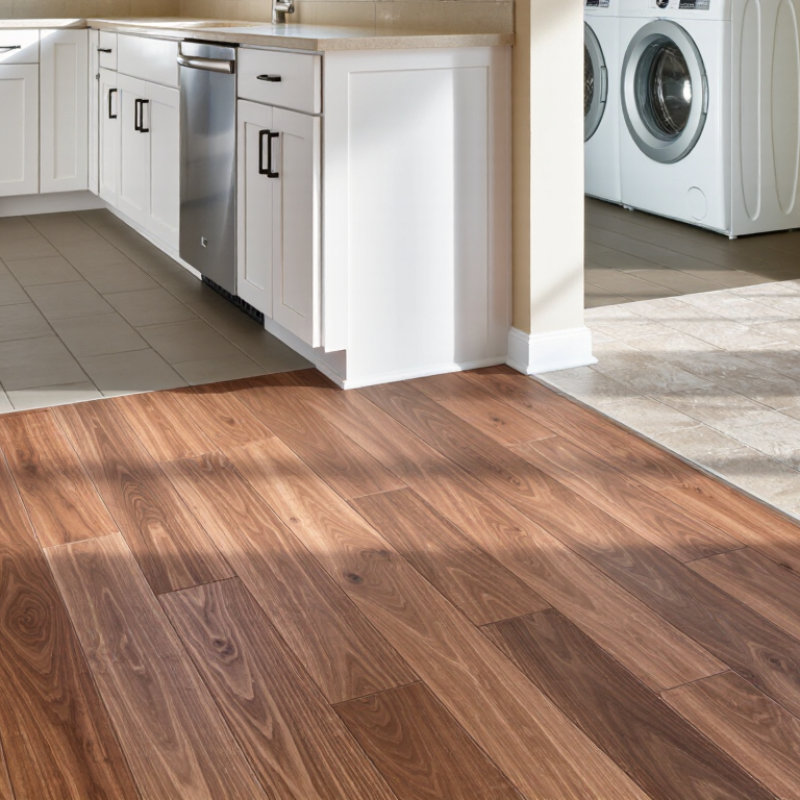
Tom Jennings, a longtime flooring educator and former WFCA training leader, often stresses, “The best floor is one that matches the use of the room.” That practical view matters. A waterproof plank may suit a busy kitchen, while sheet vinyl can reduce seams in a laundry room. Tile-style vinyl may offer attractive patterns without the cold, hard feel of ceramic.

This guide explains what Vinyl Flooring is, how its main types differ, and where each option performs well. It also examines comfort, maintenance, durability, installation, and cost. Real homes are rarely perfect. Subfloors can be uneven. Furniture can leave dents. Cheap products may look convincing online, then disappoint under bright hallway light.

Small details matter.

We will discuss wear layers, rigid cores, click-lock edges, and adhesive choices. These features affect noise, moisture protection, repair options, and long-term appearance. Buying tips will also cover room measurements, sample testing, warranties, and professional installation.

A sample can mislead.

View it beside your walls and cabinets. Walk across it in normal shoes. Check how sunlight changes its color. Vinyl Flooring can be practical and attractive, but it is not automatically the best choice for every room. Careful comparison usually beats a rushed bargain.
What Is Vinyl Flooring Types Benefits and Buying Tips?

What Is Vinyl Flooring and How Is It Made?

Vinyl flooring is a resilient floor covering made mainly from polyvinyl chloride, commonly called PVC. It is not solid plastic from top to bottom. Instead, manufacturers build it in layers for comfort, appearance, and durability.

The core usually contains PVC resin, plasticizers, stabilizers, and mineral fillers. These ingredients are mixed, heated, and pressed into sheets or shaped into planks and tiles. A printed design layer creates the look of timber, stone, or ceramic.

Above it, a transparent wear layer helps resist scuffs, stains, and everyday foot traffic. Some products also include a foam or fiberglass backing. This backing can improve stability and reduce the hard sound of footsteps.

Production methods vary. Some manufacturers use calendering, which rolls heated material into an even sheet. Others laminate separate layers under controlled pressure and temperature. Quality depends on more than thickness. Poor bonding can cause lifting, while an unstable backing may lead to gaps. I have seen attractive samples perform poorly when installed over uneven subfloors. That detail is easy to overlook.

When assessing vinyl flooring, check the wear-layer thickness, backing type, dimensional stability, and indoor-air testing.

Product documents matter more than a glossy display sample. Lower-cost flooring may still work well in a quiet bedroom, but busy hallways need stronger protection. Claims about water resistance also deserve care. Seams, edges, and installation quality can decide whether moisture becomes a problem.

What Are the Main Types of Vinyl Flooring?

Vinyl flooring is mainly divided into sheet vinyl, luxury vinyl tile (LVT), and luxury vinyl plank (LVP). Sheet vinyl comes in wide rolls with few seams. It works well in kitchens, bathrooms, and laundry rooms because water has fewer entry points. However, damaged areas can be difficult to repair neatly. Seams also need careful installation.

LVT is made to resemble stone, ceramic, or concrete tiles. Its individual pieces allow flexible patterns and easier replacement.

LVP copies the appearance of wood planks, including printed grain and textured surfaces. Both usually have a protective wear layer, but thickness alone does not guarantee better performance. Check the wear layer, surface texture, and installation instructions together.

Some products use rigid cores, such as composite or stone-based constructions. These boards resist dents and can cover minor subfloor unevenness. They are not magic, though. Moisture testing still matters. A damp subfloor may cause odor, movement, or adhesive failure.

Floating floors can install quickly, while glue-down flooring often feels more stable in large rooms.

A common buying mistake is choosing the most realistic pattern without checking sunlight, furniture weight, and cleaning habits. Small samples can mislead. View the flooring beside cabinets and under daylight before deciding.

What Benefits Does Vinyl Flooring Offer?

Vinyl flooring offers practical comfort in busy homes and commercial spaces. Its water resistance makes it suitable for kitchens, bathrooms, laundry rooms, and entryways. Spills usually stay on the surface instead of soaking into the floor. That gives occupants more time to clean them. Its softer surface also feels warmer and less tiring than ceramic tile during long periods of standing. Some products include acoustic layers, which can reduce footstep noise in apartments and offices.

Durability is another important benefit. The Freedonia Group’s World Flooring report identifies resilient flooring as a major growth area, supported by renovation demand and easy maintenance. Modern wear layers can resist scratches, stains, and moderate traffic when properly selected. Cleaning often requires only regular sweeping and damp mopping. No waxing ritual. That simplicity can reduce maintenance labor over several years.

Indoor air quality still deserves careful attention. The U.S. Environmental Protection Agency recommends checking emissions information for interior materials, rather than judging safety by appearance alone. Products tested under recognized low-emission programs may provide stronger documentation. However, vinyl is not automatically sustainable. Its environmental profile depends on raw materials, service life, installation waste, and disposal options. Grand View Research’s Vinyl Flooring Market Analysis, 2023–2030, reports strong market expansion, but rapid growth should encourage better recycling systems, not careless replacement. A practical buyer should compare thickness, wear-layer specification, slip resistance, installation conditions, and warranty language. Mistakes happen when appearance becomes the only decision.

What Factors Should You Consider Before Buying?

What Is Vinyl Flooring? Types, Benefits, and Buying Tips

Before buying vinyl flooring, identify the room’s daily demands. A busy hallway needs stronger protection than a quiet guest room. Check the wear layer, which helps resist scratches, stains, and surface fading. Thicker layers usually offer better durability, but they may raise the price. Do not judge quality by thickness alone. The core, finish, and installation method also matter.

Consider the subfloor carefully. It should be clean, dry, firm, and reasonably level. Small bumps can become visible under flexible vinyl. I once overlooked a slight ridge near a doorway, and the finished floor showed it under afternoon light. That mistake was expensive to correct. Measure moisture levels when installing over concrete, especially in basements. Water resistance is useful, but it does not repair a damp subfloor.

Think about comfort, cleaning, and indoor air quality. Rigid-core vinyl can feel stable, while flexible vinyl may feel softer underfoot. Ask for product documentation about emissions and follow the manufacturer’s installation requirements.

Compare samples in both daylight and warm indoor lighting. Colors can change dramatically. Check plank or tile dimensions against the room, since narrow spaces may need more cutting.

Review the warranty for household use, moisture limits, and installation conditions. A low price can become less attractive after underlayment, trimming, adhesive, and labor are included. Leave extra material for future repairs, because matching a discontinued color may be difficult.

How Should Vinyl Flooring Be Installed and Maintained?

Vinyl flooring performs well when installation starts with a dry, stable, and clean subfloor. Remove dust, grease, and loose particles before measuring the room. Check for moisture, especially over concrete. A simple moisture test can prevent adhesive failure and curling edges. Follow the flooring manufacturer’s acclimation instructions, because temperature changes can affect expansion. Leave the recommended perimeter gap where required. Press seams firmly, and use a sharp knife for accurate cuts. Do not rush this step. Small cutting errors remain visible.

Maintenance is uncomplicated, but it still needs consistency. Sweep grit regularly with a soft broom or vacuum without a rotating brush. Grit acts like sandpaper under shoes. Wipe spills promptly using warm water and a mild, floor-safe cleaner. Avoid abrasive powders, harsh solvents, and excessive water. Standing moisture may enter seams or reach the subfloor. Place protective pads beneath heavy furniture, and lift items instead of dragging them. Felt pads help, but they can collect grit if ignored. I once underestimated doorway dirt; the worn path appeared sooner than expected.

Tips: Keep spare planks for future repairs. Record the installation date and cleaning products used. Test any cleaner in a hidden corner. Use walk-off mats at entrances, but avoid rubber-backed mats unless approved for vinyl. Inspect seams every few months. If an edge lifts, stop using aggressive glue and seek qualified flooring advice.

Scroll to Top