Why Choose Marble Countertops for Your Home?
Marble Countertops bring natural variation, soft veining, and a bright, distinctive surface to a kitchen or bathroom. Each slab has its own pattern, so the stone can become a focal point without relying on bold colors or elaborate decoration. In morning light, fine gray veins may look subtle; beneath pendant lights, they can appear more pronounced. That character is part of marble’s appeal.
Looks are only part of the decision. Marble is a natural stone, and its porosity and sensitivity to acids mean that spills, finishes, and daily habits matter. Lemon juice or wine can leave dull spots, while an appropriate sealer may reduce absorption but cannot make the surface stain-proof. Small marks happen. Homeowners should ask a qualified stone fabricator about the specific slab, finish, edge profile, sealing schedule, and care instructions before buying. Those details can vary.
The right choice depends on how a household uses its counters. A careful cook may welcome marble’s cool surface for pastry, while a busy family may prefer a material that needs less attention. Neither preference is wrong. This guide explores marble’s appearance, practical benefits, maintenance needs, costs, and trade-offs, helping readers weigh its timeless character against the care it requires. Even with good advice, expectations deserve a second look: a showroom sample cannot show every vein or predict every mark from years of use.
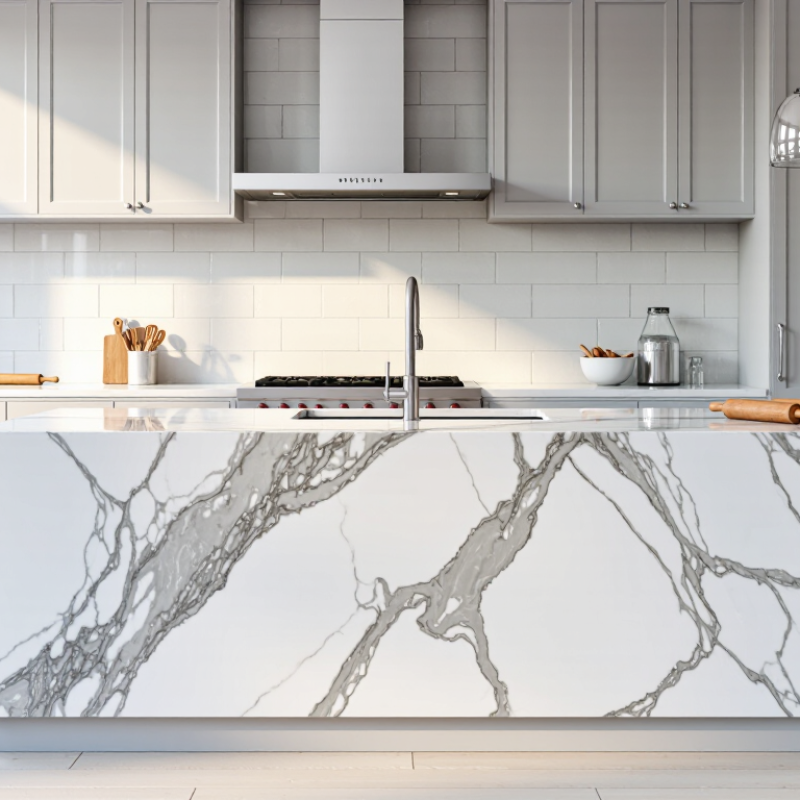
What Marble Countertops Are and How They Form
Marble is a natural stone valued for its luminous surface and distinctive veining. It begins as limestone or dolostone, rocks made largely of calcite or dolomite. Deep underground, heat and pressure gradually recrystallize these minerals without fully melting the rock. The original grains change, forming an interlocking crystalline structure. This process can take millions of years.
Mineral traces create much of marble’s character. Clay, iron oxides, and other impurities may produce grey, gold, green, or rust-colored lines. Movement within the rock can stretch those colors into waves or fine threads. Each slab differs. Not identical. Looking closely at a slab’s veining can help homeowners picture how seams and cutouts may appear, though the final layout depends on fabrication.
For a countertop, quarried marble is cut into slabs, then shaped, polished, or honed. Its cool touch and natural patterns are tangible, but marble is not maintenance-free. Calcite reacts with acids, so lemon juice or vinegar can dull the finish; softer areas may also scratch. Sealing can reduce staining, but it cannot prevent every mark. That limitation is easy to underestimate when viewing a polished sample under showroom lights.
Why Choose Marble Countertops for Your Home?
What Marble Countertops Are and How They Form
Marble is a natural stone formed when limestone recrystallizes under heat and pressure. Its relatively low hardness can make it more susceptible to scratches than granite or quartzite. These typical Mohs hardness ranges vary with each stone’s mineral composition.
Distinctive Colors, Veining, and Surface Finishes
Marble gives a countertop its own visual signature. Fine gray threads may cross a white field, while green or dark varieties can show broad, cloudy movement. These patterns form naturally, so a sample is only a small preview of the full slab. Ask to view the actual slab before fabrication. A vein near the sink may look dramatic; across an island, it can become the room’s main feature. Subtlety matters.
Finish changes that effect. Polished marble reflects window light and sharpens color, but also makes fingerprints and etching easier to notice. Honed surfaces feel softer and hide some marks, though they may absorb spills more readily if not properly sealed. There is no perfect finish. The National Kitchen & Bath Association’s 2024 Kitchen Trends Report notes continued interest in natural materials, while Houzz’s 2024 U.S. Kitchen Trends Study found quartz was selected for 42% of renovated kitchens’ countertops. That figure describes a broader market, not a verdict on marble. Marble suits homeowners who value natural variation and accept ongoing care. Even careful owners may see dull spots from acidic foods. A little imperfection is part of the choice.
Practical Benefits for Everyday Home Use
Why Choose Marble Countertops for Your Home?
Marble earns its place in busy kitchens through a cool, smooth work surface and distinctive natural veining. Pastry dough rolls easily across it, and a damp cloth clears flour without fuss. Every slab has different markings, so the counter feels individual rather than factory-made. Natural Stone Institute material guidance places marble at roughly 3–5 on the Mohs hardness scale. That relatively low rating explains why knives, dropped pans, and abrasive cleaners can leave marks. Use a cutting board. It helps.
Daily care is simple, but not carefree. Wipe spills promptly, especially lemon juice, vinegar, wine, or tomato sauce; acids can dull marble’s surface, even when it is sealed. A pH-neutral stone cleaner and soft cloth are safer choices than a scouring pad. Sealer can reduce liquid absorption, but it does not prevent etching or make the stone stain-proof. Ask the fabricator about the specific slab and resealing schedule, since marble types and finishes vary. A honed finish may make small scratches less noticeable, though it can absorb spills more readily than polished stone. The honest trade-off: marble develops signs of use, and some homeowners appreciate that patina while others find it frustrating.
Why Choose Marble Countertops for Your Home? - Practical Benefits for Everyday Home Use
| Everyday Consideration | Practical Benefit | What to Keep in Mind |
| Natural appearance | Each slab has its own veining and pattern, giving a countertop a distinctive, natural look. | Color and veining vary between slabs, so view the actual slab when appearance matching is important. |
| Cool surface | The naturally cool surface can be useful when rolling pastry or working with temperature-sensitive dough. | The surface may feel cool to the touch; use a board or mat for tasks that need a warmer or softer surface. |
| Heat exposure | Marble is a stone surface and can tolerate some brief contact with warm items. | Sudden temperature changes can cause damage, and hot cookware can leave marks. Use trivets rather than placing hot pans directly on the counter. |
| Routine cleaning | For everyday messes, wiping with a soft cloth and a pH-neutral stone cleaner is generally straightforward. | Avoid acidic cleaners and abrasive pads; follow the stone supplier’s care instructions. |
| Spills and stains | Promptly wiping up spills helps keep the surface looking its best. | Marble is porous and can stain. Sealers may reduce absorption, but they do not make the stone stain-proof. Wipe up oils, wine, and other spills promptly. |
| Acidic foods | With sensible care, marble can be used in everyday kitchen spaces. | Lemon juice, vinegar, and other acids can dull or etch the surface. Use a cutting board and clean acidic spills quickly. |
| Long-term upkeep | Minor surface wear may sometimes be improved by professional honing or polishing. | Etching and scratches can occur with use. Maintenance needs depend on the stone, finish, household use, and sealer; ask the fabricator for care guidance. |
Limitations to Consider Before Choosing Marble
Marble brings natural variation to a kitchen, but that beauty comes with practical trade-offs. Its surface is relatively soft compared with many countertop materials, so dropped cookware or a sharp knife can leave chips or scratches. Veining may disguise small marks, though polished surfaces can show them clearly under direct light. This is not always obvious in a showroom.
Marble is also porous. Sealing can slow absorption, but it does not make the stone stain-proof or maintenance-free. A splash of red wine, coffee, or cooking oil may leave a stubborn mark if it sits too long. Acidic foods, including lemon juice and vinegar, can dull the finish through etching. The spot may look like a stain, but it is a change in the surface itself. Wipe spills promptly with a soft cloth and a pH-neutral cleaner. It takes attention.
Before choosing marble, consider how the countertop will be used each day. A busy baking area may suit it well, since the stone stays cool, but a heavily used family kitchen can collect visible wear. Repairs and refinishing may require a stone professional, and results can vary with the marble’s color and finish. I would ask to see a large sample, not just a small tile. Natural patterns differ, sometimes more than expected. Sealing schedules also depend on the stone and household use, so confirm care needs before installation.
How to Select, Install, and Maintain Marble Countertops
Why Choose Marble Countertops for Your Home?
Marble offers soft veining, cool touch, and natural variation that manufactured surfaces cannot exactly repeat. Slabs differ, even when cut from the same block. View the actual slab in daylight, and mark preferred areas before fabrication. The U.S. Geological Survey’s 2024 Mineral Commodity Summaries estimated 2.4 million tons of U.S. dimension-stone production in 2023; marble is one stone within this broad category. That scale reflects an established material, but it does not guarantee every slab suits a busy kitchen. Check for visible fissures, color shifts, and how the pattern will cross seams.
Installation rewards careful planning. Have a qualified fabricator template the cabinets and confirm they are level before cutting. Discuss overhang support, sink cutouts, and seam placement; a seam through a dramatic vein can distract. Marble is relatively soft and reacts to acids, so lemon juice or vinegar may leave dull etch marks. It can happen quickly. A penetrating sealer may slow staining, but it will not prevent etching.
Tips: Choose a finish with eyes open: polished marble shows shine, while honed marble can hide small scratches but may absorb stains more readily. Wipe spills promptly with a soft cloth and pH-neutral cleaner. Ask your installer whether the slab needs sealing, and test cleaner on an unseen spot. A cutting board helps, though habits take practice.